What Is Crypto Wallet Screening and Why It Matters
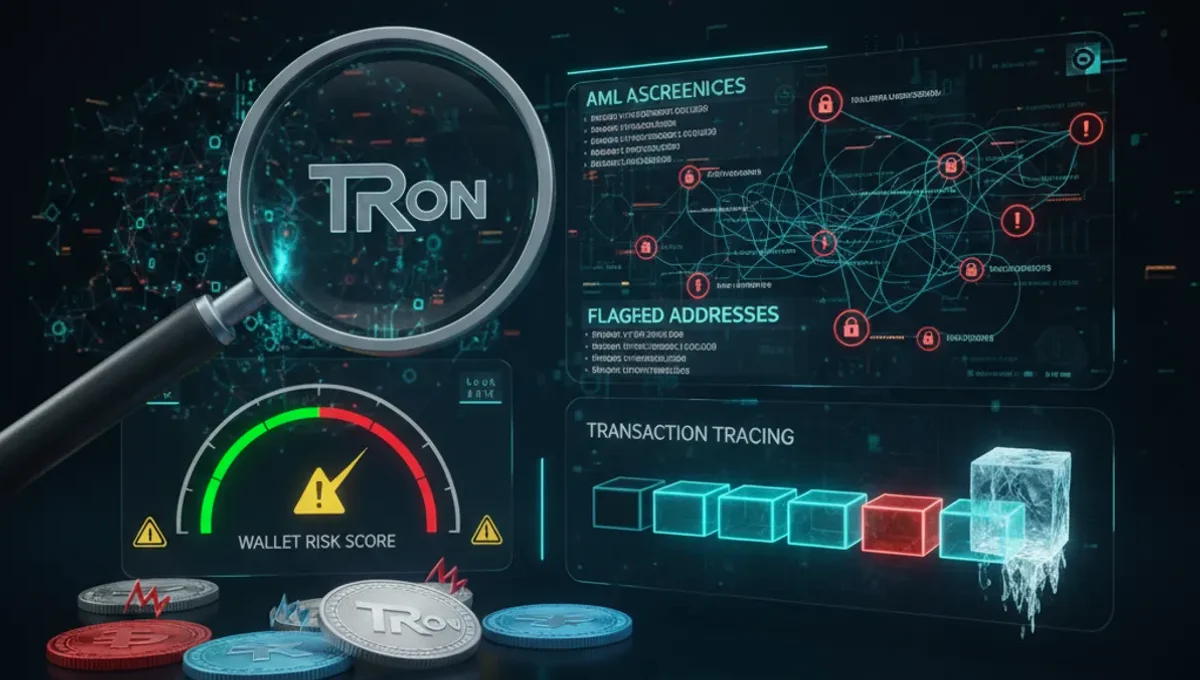
Crypto wallet screening examines the transaction history and counterparties linked to a wallet address to assess whether the coins are clean or tainted. Tainted coins originate from high-risk sources: darknet markets, ransomware payments, stolen funds, sanctioned entities, or mixing services designed to obscure transaction trails. When you receive tainted cryptocurrency, you inherit the risk. Exchanges may freeze your account, regulators may investigate, and you could face legal liability depending on your jurisdiction. Screening is not optional for businesses handling crypto; it is a core compliance requirement. Even individuals should screen wallets before accepting large transfers, especially USDT on Tron or Bitcoin, because one transaction with flagged coins can compromise your entire wallet and banking relationships.
How Crypto Wallet Risk Scoring Works
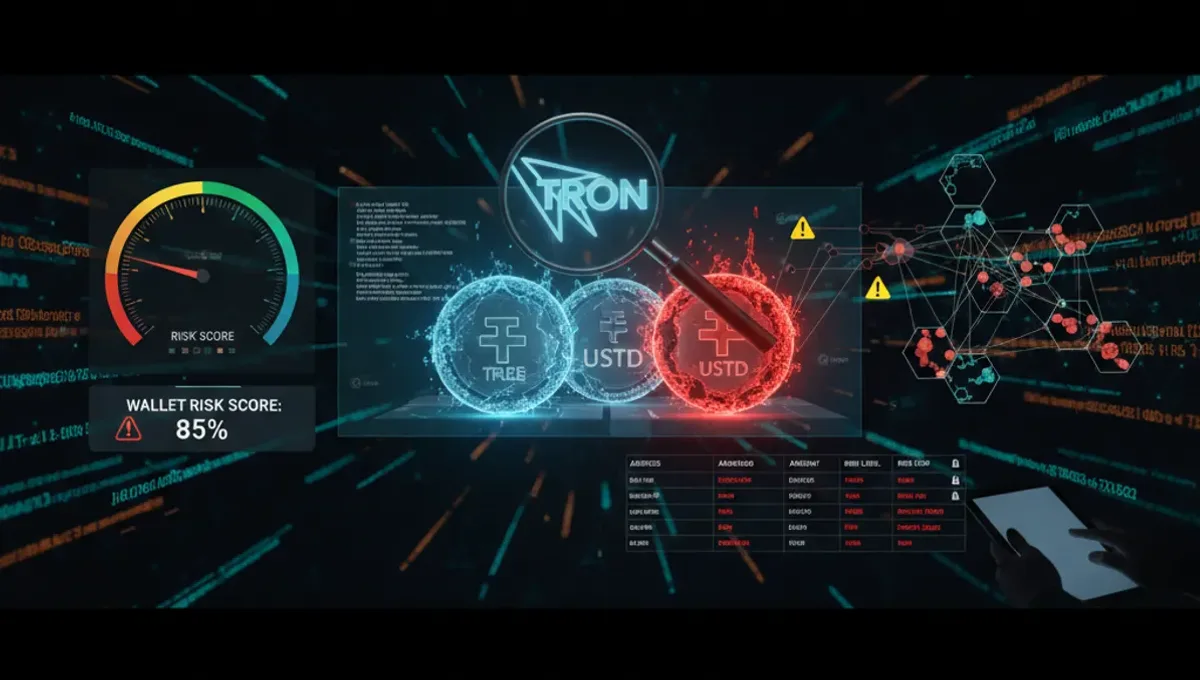
Risk scoring assigns a numerical or categorical rating to a wallet based on its transaction history and connections. Blockchain analytics firms trace coin movements across exchanges, mixers, and known darknet addresses to build a risk profile. A wallet receives a high-risk score if it has received funds from sanctioned addresses, gambling platforms, ransomware wallets, or mixing services. Medium-risk scores indicate some exposure to unverified sources or older transactions with unclear origins. Low-risk scores suggest the wallet has primarily received funds from regulated exchanges or known legitimate sources. Risk scores typically range from 0–100 or use labels like low, medium, and high. The exact methodology varies by provider, but all legitimate services cross-reference addresses against OFAC sanctions lists, known darknet markets, and theft databases. Your risk score determines whether exchanges will accept deposits, whether banks will process withdrawals, and whether regulators will scrutinize your account.
Step-by-Step: How to Check a Wallet for Tainted Coins
To screen a crypto wallet before receiving funds, follow these steps: First, obtain the wallet address you want to check—it will be a long string of characters specific to Bitcoin, Ethereum, Tron, or another blockchain. Second, visit a trusted AML screening service (our curated list of verified AML services is a safe starting point). Third, paste the wallet address into the screening tool and run the analysis. The service will return a risk score, a summary of flagged transactions, and details about any connections to known high-risk sources. Fourth, review the report: look for any mentions of darknet markets, ransomware, sanctioned entities, or mixing services. Fifth, decide whether to accept the transfer based on your risk tolerance and compliance requirements. If the wallet shows medium or high risk, you can request the sender provide additional documentation or use a different wallet. For businesses, document the screening result for compliance records. Most services provide reports that can be downloaded and stored as evidence of due diligence.
Understanding Crypto Wallet Examples and Risk Categories
Real-world crypto wallet examples illustrate different risk levels. A wallet that has only received deposits from a major regulated exchange and has never sent funds to a mixer or darknet address will show low risk. A wallet that received a small amount from a gambling platform years ago but has otherwise clean activity might show medium risk—acceptable for most use cases. A wallet that has received funds directly from a known ransomware address or has sent coins to a mixing service will show high risk and should be rejected. Tron wallets holding USDT are screened the same way as Bitcoin wallets; the blockchain differs, but the risk assessment logic is identical. Crypto wallet fees vary by screening service—some offer free basic checks with limited detail, while others charge per report or offer subscription plans for frequent users. Crypto wallet ranking by risk is not a fixed list; instead, each address receives an individual score based on its unique transaction history. Understanding these distinctions helps you make informed decisions about which coins to accept and which to refuse.
What to Do If Your Wallet Is Flagged as High-Risk
If you receive a screening report showing your wallet is flagged as high-risk, do not panic—the flag does not necessarily mean you committed a crime. High-risk flags often result from receiving coins from a source you did not know was problematic, or from old transactions before you owned the wallet. First, review the report details to understand which transactions triggered the flag. Second, if you received coins from a hacked exchange or theft, you may have a legitimate claim to report the incident. Third, if the flag is due to a single old transaction, some exchanges may accept your wallet after you provide context or additional documentation. Fourth, consider moving clean coins to a new wallet to separate them from flagged activity—this is not foolproof, but it can help. Fifth, if you are a business, consult a compliance officer or legal advisor about next steps. Do not attempt to hide flagged activity or use mixers to obscure the coins; this increases legal risk. Instead, maintain transparent records and work with compliance professionals to resolve the issue.
Acceptable Risk Score Thresholds and Compliance Standards
Most regulated exchanges and financial institutions accept wallets with low-risk scores without question. Medium-risk scores are often acceptable depending on context—a single old transaction flagged as medium risk is usually not a dealbreaker, but multiple recent medium-risk connections may trigger additional scrutiny. High-risk scores are almost always rejected by exchanges and banks; they indicate current or recent exposure to sanctioned entities, darknet markets, or ransomware. Your acceptable threshold depends on your jurisdiction, your business model, and your risk appetite. Businesses handling crypto must establish a written policy defining which risk scores they will accept. A retail exchange might accept only low-risk wallets, while a peer-to-peer platform might accept medium-risk wallets with additional verification. Individuals should be conservative: if you are unsure about a wallet, reject it. The cost of accepting tainted coins—frozen accounts, regulatory fines, reputational damage—far exceeds the benefit of a single transaction. Compliance standards like FATF guidance and OFAC regulations do not specify exact thresholds, but they require you to conduct due diligence and document your decisions.
How to Avoid Receiving Tainted Coins in the First Place
Prevention is easier than remediation. Before accepting any significant cryptocurrency transfer, screen the sender's wallet. Ask the sender to provide proof that their coins are clean—many legitimate users will have already screened their own wallets. Use only regulated exchanges to buy and sell crypto; coins from regulated sources are far less likely to be tainted. If you are receiving a large transfer, request the sender provide documentation of the coin source. Avoid accepting coins from unknown sources, especially if the offer seems too good to be true. Be wary of mixing services, gambling platforms, and darknet marketplaces—if a wallet has connections to these, reject it. For businesses, implement a wallet screening policy and train employees to follow it consistently. Use the verified AML services listed on our curated directory to screen wallets before accepting deposits. Keep detailed records of all screening results for audit trails. Educate your team about common red flags: unsolicited transfers, pressure to accept coins quickly, vague explanations of coin origin, or requests to keep the transaction quiet. By building screening into your standard workflow, you eliminate most tainted coin risk before it becomes a problem.
Frequently asked questions
What is a crypto wallet screening tool and how does it work?
A crypto wallet screening tool analyzes a wallet address to detect tainted coins and high-risk activity. It traces the wallet's transaction history, identifies connections to sanctioned entities, darknet markets, and theft databases, then assigns a risk score. The tool compares the address against OFAC lists and known high-risk sources to determine whether the coins are clean or flagged.
Can I check a Tron or Bitcoin wallet for free?
Yes, many AML screening services offer free basic checks with limited detail. Free tools typically provide a risk score and summary of flagged activity but may not include full transaction history or detailed reports. For comprehensive screening, paid services offer more thorough analysis. Our directory of verified AML services lists both free and paid options to help you choose.
What does a high-risk crypto wallet score mean?
A high-risk score indicates the wallet has received or sent funds to sanctioned entities, darknet markets, ransomware addresses, or mixing services. High-risk wallets are almost always rejected by exchanges and banks. Accepting high-risk coins can result in frozen accounts, regulatory investigations, and legal liability. Always reject high-risk wallets unless you have explicit legal guidance to proceed.
How do exchanges freeze USDT or Bitcoin from tainted wallets?
Exchanges monitor deposits for tainted coins using blockchain analytics. If a deposit matches a high-risk address, the exchange flags the account, freezes the funds, and may request additional documentation or close the account entirely. Frozen USDT or Bitcoin may be held indefinitely or returned to the sender. This is why screening before accepting coins is critical.
What are the main sources of tainted crypto coins?
Tainted coins originate from darknet markets, ransomware payments, stolen funds, sanctioned entities, gambling platforms, and mixing services. Coins from these sources carry legal and compliance risk. Screening tools identify these connections by tracing transaction history and cross-referencing against known high-risk addresses and databases.