What Is an AML Check on a Crypto Wallet?
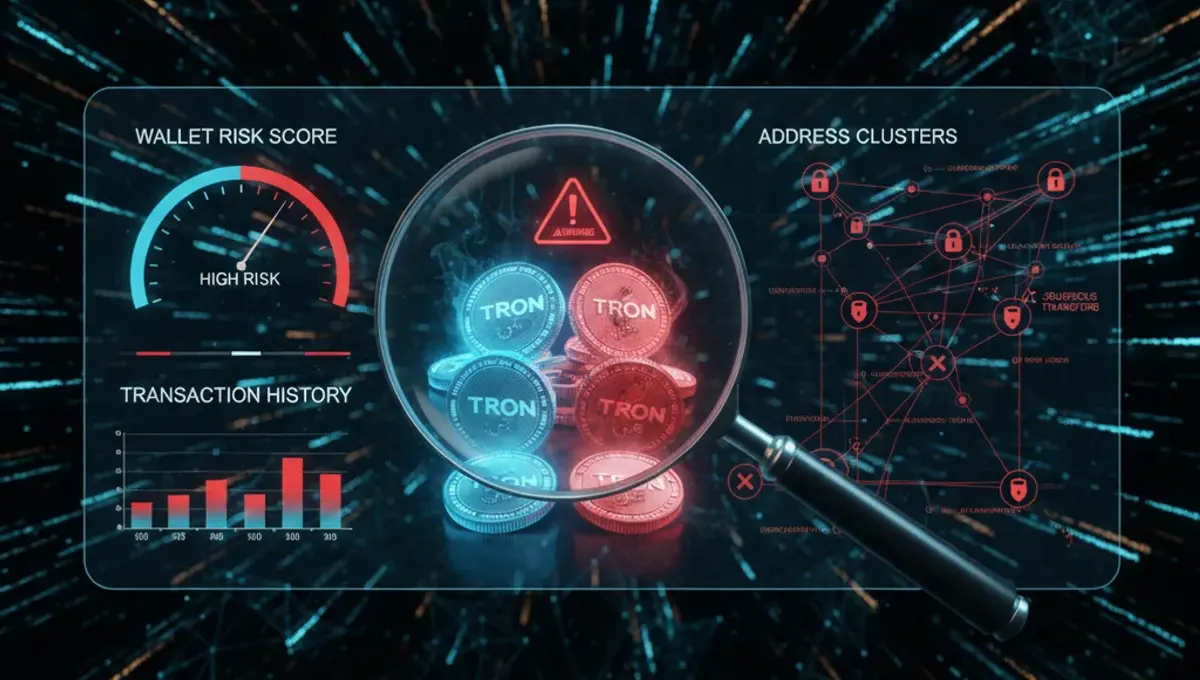
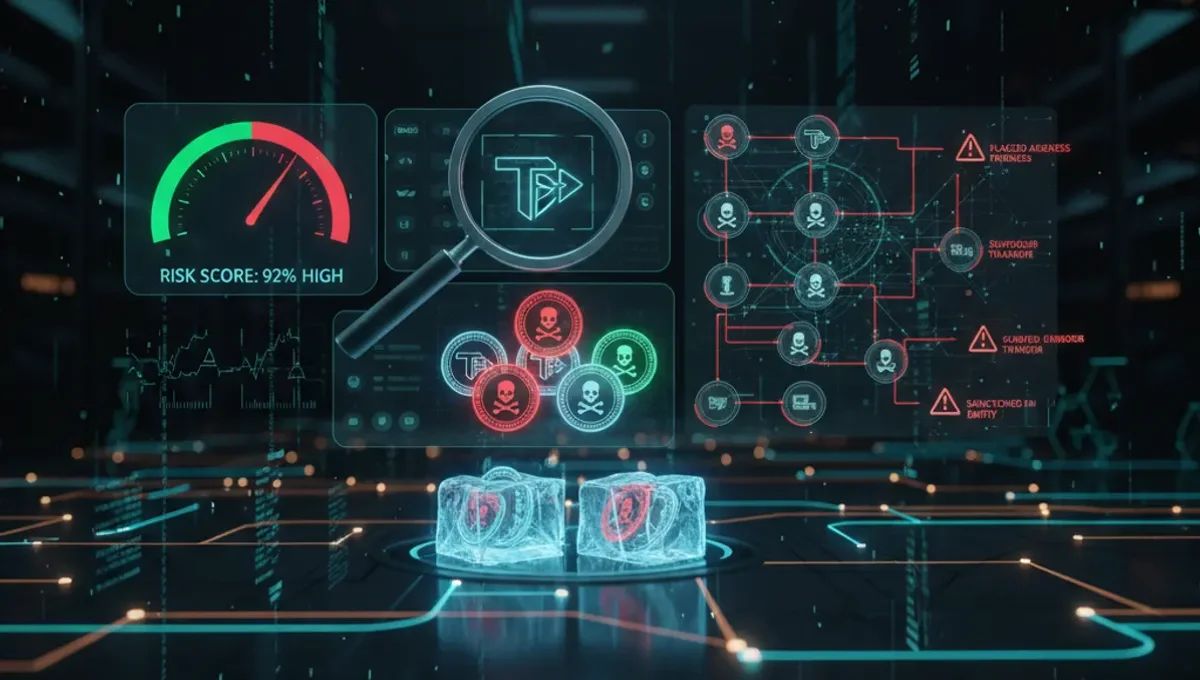
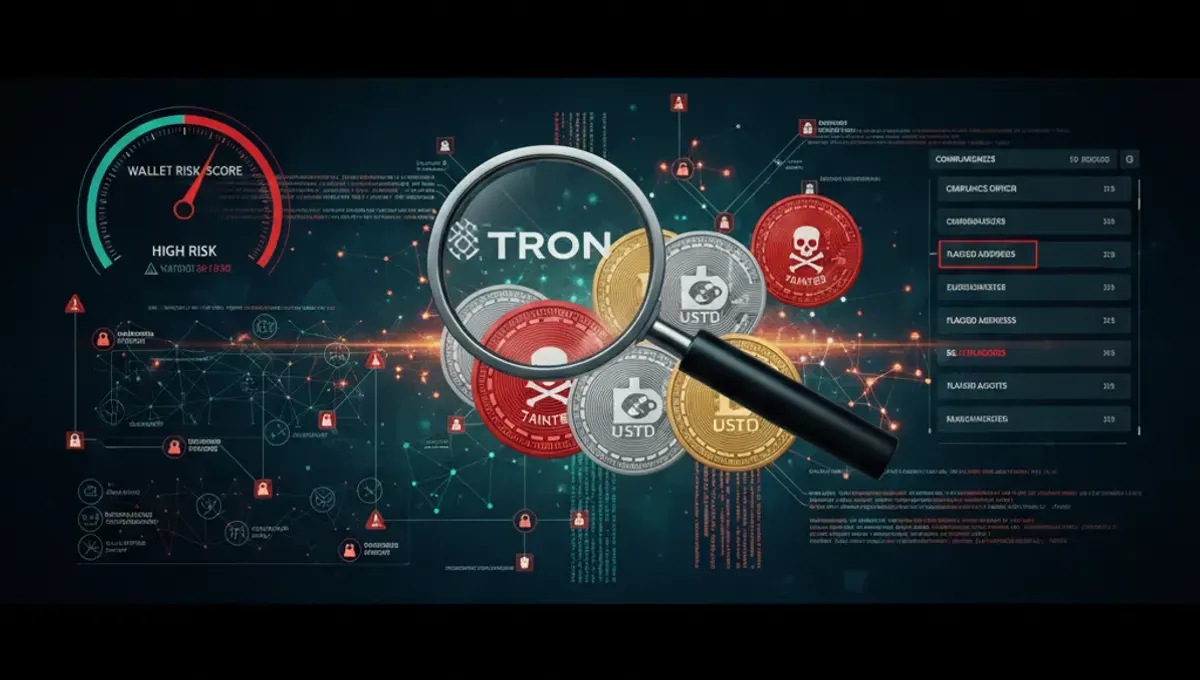
An AML (Anti-Money Laundering) check on a crypto wallet examines the on-chain transaction history and counterparty associations to flag risk. The check identifies whether the wallet has received funds from known darknet markets, cryptocurrency mixers, sanctioned addresses, scam operations, or stolen coin sources. Each transaction is traced backward through the blockchain to build a risk profile. The result is a risk score—typically ranging from low (clean history) to high (significant exposure to illicit or high-risk activity). AML checks are performed by blockchain analytics firms that maintain databases of known illicit addresses, sanctions lists, and behavioral patterns. Unlike traditional banking AML, which relies on customer identity and documents, crypto AML checks work purely on-chain: they analyze wallet behavior and fund provenance without requiring personal data.
How Does the AML Check Process Work?
The AML check process follows these steps:
- Submit the wallet address (Tron, Bitcoin, Ethereum, or other blockchain).
- The analytics service queries the blockchain to retrieve all incoming and outgoing transactions.
- Each transaction is cross-referenced against known illicit address clusters, sanctions lists (OFAC, EU, UN), and behavioral risk indicators.
- The service assigns a risk score based on exposure to mixers, darknet markets, gambling, scams, and stolen funds.
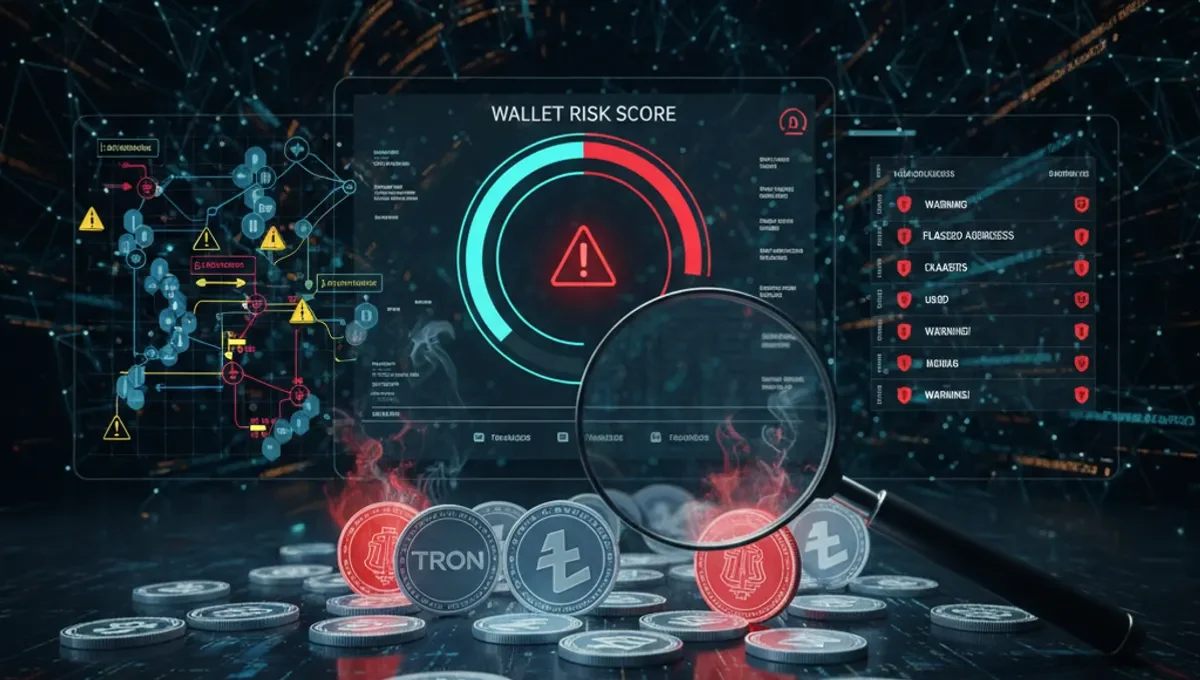
- A report is generated showing the risk level, transaction sources, and specific risk categories.
- You receive the result in seconds to minutes, depending on the service and wallet history complexity.
The AML check requirements are minimal: you need only the wallet address (public information). No private keys, seed phrases, or personal data are required. The entire process is non-custodial and transparent. Most services display the risk score prominently and provide a detailed breakdown of which transactions or counterparties triggered the risk flags.
What Do AML Risk Score Levels Mean?
Risk scores vary by service but generally follow this pattern:
Low Risk (0–20%): Clean transaction history with no known illicit exposure. Safe to receive funds from this wallet.
Medium Risk (20–50%): Some exposure to higher-risk sources or minor behavioral flags. Acceptable for most use cases but warrants review of specific transactions.
High Risk (50–80%): Significant exposure to darknet markets, mixers, gambling, or sanctioned entities. Receiving funds carries regulatory and exchange risk.
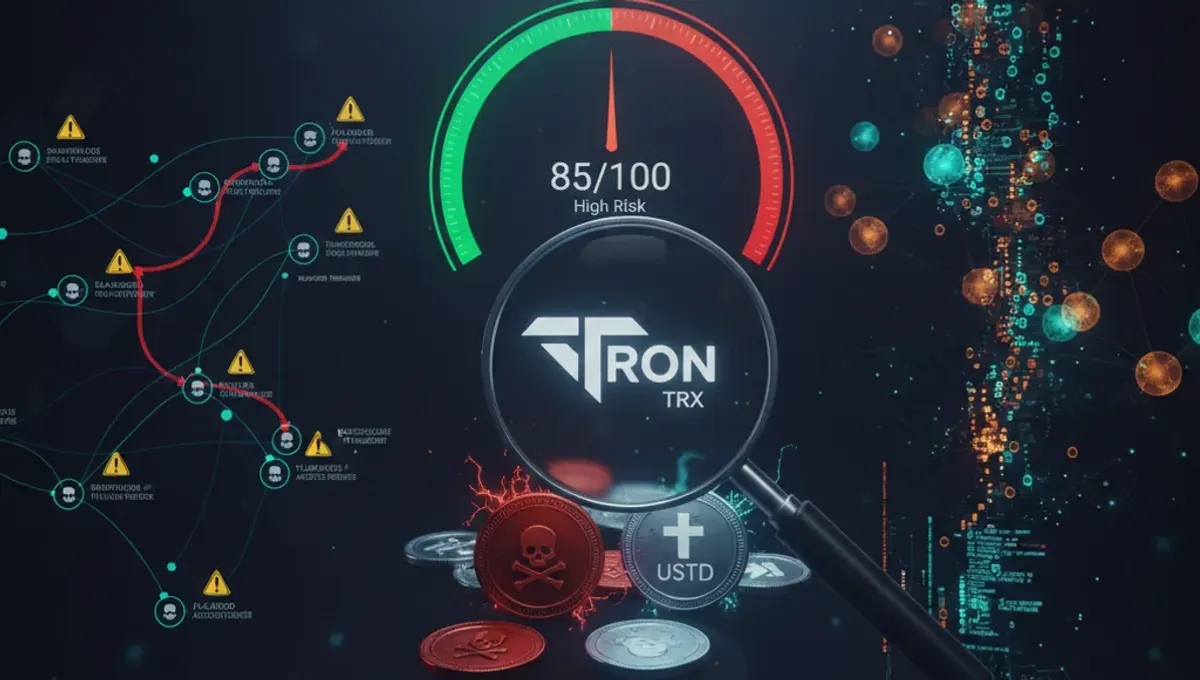
Critical Risk (80–100%): Direct or recent exposure to known scams, stolen funds, or sanctioned counterparties. Receiving these funds may trigger exchange freezes or compliance investigations.
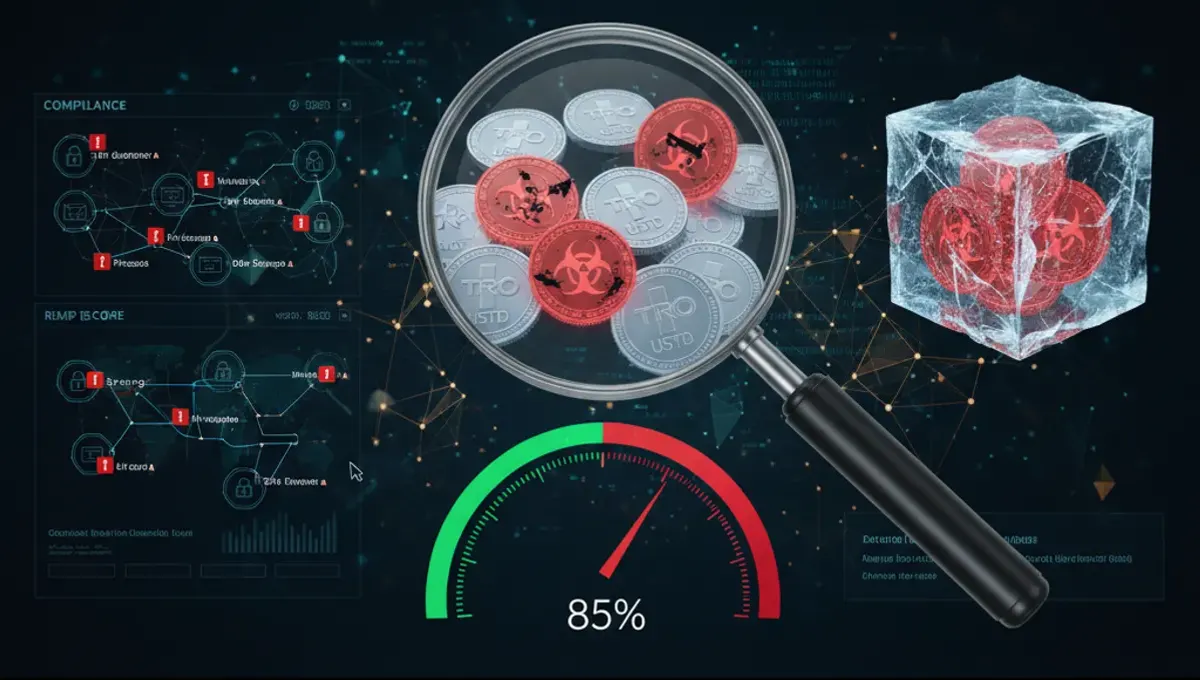
Exchanges and custodians typically freeze USDT or other assets if the sending wallet scores above 50–70%, depending on their policy. Some services allow you to set custom thresholds. The AML check requirements for institutional users are stricter: many require scores below 20% for compliance. Personal users should aim for low risk, but the acceptable threshold depends on your exchange, jurisdiction, and risk tolerance.
How to Check a Tron Wallet Address for AML Risk
Checking a Tron (TRX/USDT-TRC20) wallet follows the same process as other blockchains:
- Copy the wallet address (starts with T).
- Visit a verified AML screening service (check our curated AML Services list for trusted options).
- Paste the address into the search field.
- Select Tron as the blockchain.
- Click "Check" or "Scan."
- Review the risk score and detailed report within seconds.
Tron addresses are particularly important to screen because USDT-TRC20 is widely used for remittances and cross-border transfers, making it a target for both illicit activity and compliance scrutiny. The AML check process for Tron is identical to Bitcoin or Ethereum: the blockchain is transparent, and all transactions are publicly visible. Many users receive USDT on Tron without checking the source wallet, then face frozen funds when depositing to an exchange. Screening the sending wallet before accepting the transfer prevents this problem entirely.
What Risk Categories Trigger AML Flags?
An AML check identifies exposure to these high-risk categories:
Darknet Markets: Wallets that have received funds from known dark web marketplaces (e.g., historical Silk Road-linked addresses).
Mixers and Tumblers: Cryptocurrency mixing services designed to obscure transaction trails. Exposure to mixers is a major red flag for compliance teams.
Stolen Funds: Addresses linked to exchange hacks, wallet theft, or ransomware proceeds.
Sanctioned Entities: Wallets associated with individuals or organizations on OFAC, EU, or UN sanctions lists.
Gambling: Funds from known gambling platforms or casinos (flagged by some services as higher-risk).
Scams and Fraud: Addresses tied to Ponzi schemes, rug pulls, or investment fraud.
Ransomware: Wallets that have received ransom payments.
The AML check fee varies by service and typically ranges from free (limited checks) to a few dollars per scan. Some services offer monthly subscriptions for frequent users. The cost is negligible compared to the risk of receiving frozen or tainted coins.
What to Do If Your Wallet Scores High Risk
If an AML check reveals high-risk exposure, take these steps:
- Do not deposit to an exchange immediately. Exchanges will likely freeze the funds during compliance review.
- Review the detailed report. Identify which transactions or counterparties triggered the risk flags.
- Assess the source. If you received funds from a known sender (employer, friend, business partner), verify their wallet is legitimate and not compromised.
- Wait for transaction confirmation. Some risk scores improve over time as transactions age and the blockchain confirms their legitimacy.
- Contact the exchange. If you must deposit, inform compliance in advance and provide documentation of the fund source.
- Consider alternative exchanges. Some exchanges have stricter AML policies than others; a wallet flagged by one may be accepted by another.
- Do not use mixers. Mixing high-risk coins typically increases the risk score and attracts regulatory attention.
In many cases, high-risk exposure is historical (old transactions) and does not reflect current wallet activity. A detailed AML check report will show the timeline and help you determine whether the risk is recent or residual.
Choosing a Verified AML Check Service
Not all AML check services are equally reliable. When selecting a service, verify these criteria:
Blockchain Coverage: The service should support Tron, Bitcoin, Ethereum, and other major blockchains relevant to your use case.
Sanctions List Integration: Confirm the service integrates OFAC, EU, and UN sanctions lists for current compliance.
Transparency: The report should clearly explain which transactions or counterparties triggered risk flags, not just a score.
Speed: Results should be available in seconds to minutes, not hours.
Accuracy: Check user reviews and case studies to verify the service's track record.
Privacy: Confirm the service does not store or share your wallet queries without consent.
Our curated AML Services page lists verified screening tools that meet these standards. Starting with a trusted service ensures your AML check is accurate and compliant. Many services offer free trial checks or limited free scans, allowing you to test before committing.
Frequently asked questions
How long does an AML check take?
Most AML checks complete in seconds to minutes. The time depends on the wallet's transaction history size and the service's processing speed. A wallet with a few transactions may return results instantly, while a wallet with thousands of transactions may take a few minutes. Cached results (previously checked addresses) are typically instant.
Is an AML check free?
Many services offer free AML checks with limited features or a small number of monthly scans. Full reports with detailed breakdowns typically cost a few dollars per check. Monthly subscriptions are available for frequent users. Check our AML Services page for options that fit your budget and usage needs.
Can I check a Tron wallet address without revealing my identity?
Yes. AML checks are performed on public blockchain data and require only the wallet address. You do not need to provide personal information, and the check itself does not identify you. However, if you deposit flagged coins to an exchange, the exchange's KYC process will identify you during compliance review.
What happens if I receive USDT from a high-risk wallet?
If you deposit high-risk USDT to an exchange, the exchange may freeze the funds during AML review, delay the deposit, or reject it entirely. In severe cases, your account may be flagged or closed. Always run an AML check on the sending wallet before accepting large transfers.
Does an AML check work on all blockchains?
Most major services support Bitcoin, Ethereum, and Tron. Coverage varies for smaller blockchains. Check the service's documentation to confirm support for your specific blockchain before running an AML check.