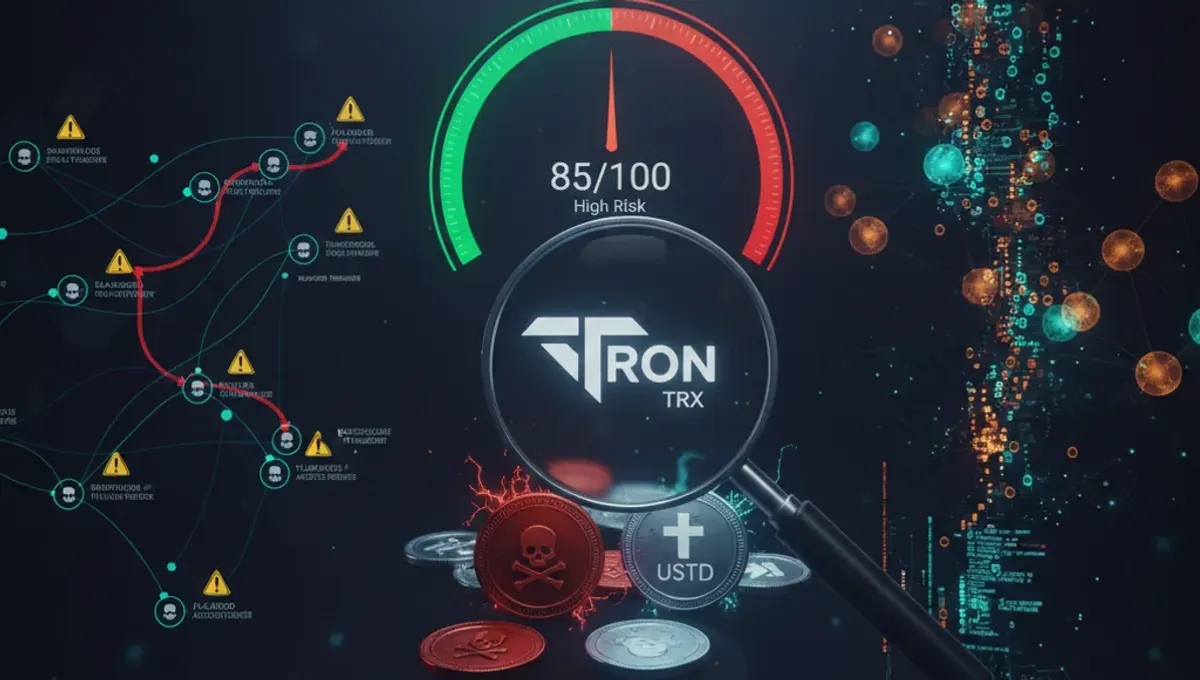
What Is an AML Check Fee and Why Do Services Charge?
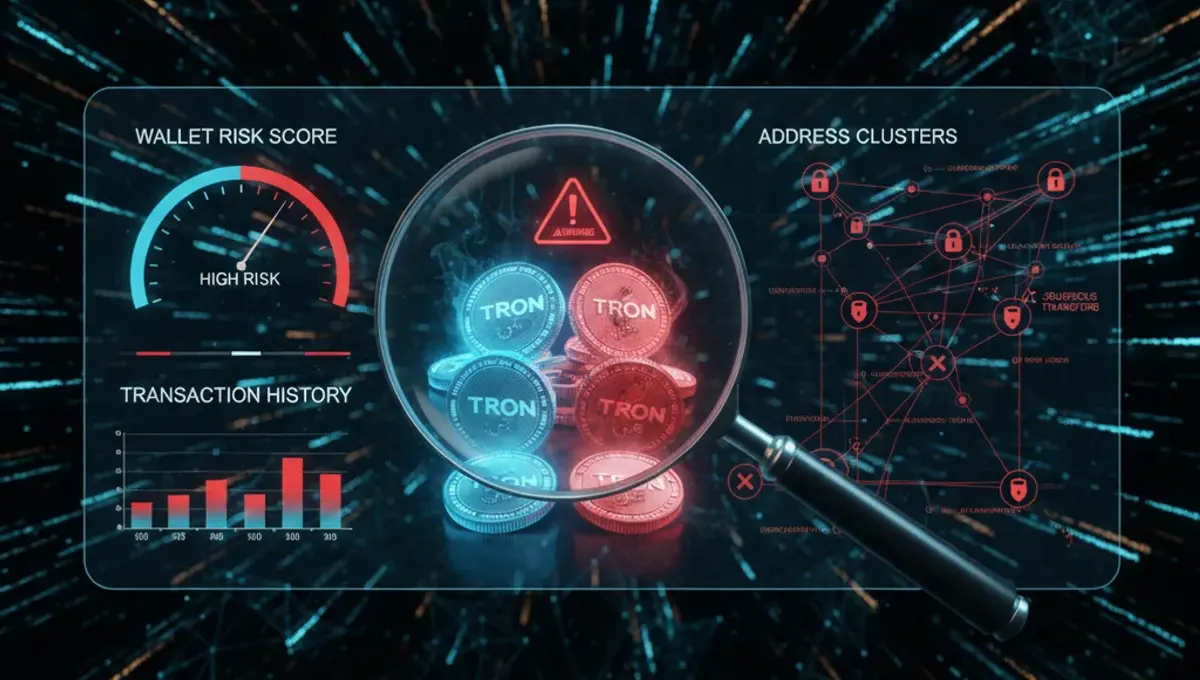
An AML check fee covers the cost of running your wallet address through multiple compliance databases, blockchain analytics, and sanctions lists. Services maintain subscriptions to OFAC lists, FinCEN watchlists, and proprietary darknet market databases. They also employ analysts to flag high-risk patterns like mixer usage, stolen fund traces, and gambling platform exposure. The fee reflects real operational costs: data licensing, infrastructure, and compliance expertise. A basic single-wallet scan costs less than ongoing monitoring because it requires fewer resources. Enterprise clients pay more because they need API integration, custom reporting, and dedicated support. Transparent pricing helps you budget for AML check requirements without hidden charges.
Common AML Check Pricing Models
Services typically offer three pricing structures. Per-scan fees charge $5–$50 per wallet check, ideal for occasional users who need quick Tron address checks or Bitcoin wallet screening before receiving funds. Monthly subscriptions ($50–$500+) suit businesses that monitor multiple wallets regularly and need faster response times and priority support. API pricing for developers and exchanges scales with transaction volume, often starting at $0.10–$1 per check and decreasing at higher volumes. Some services bundle AML check crypto wallet screening with KYC verification, which raises the total cost but simplifies compliance. Free tiers exist but typically limit checks to 1–5 per month and provide basic risk scoring only. Paid plans unlock detailed transaction history, sanctions matching, and darknet exposure reports. Choose based on your volume: occasional checks favor per-scan; regular monitoring favors subscriptions; high-volume operations favor API licensing.
What's Included in an AML Check Fee
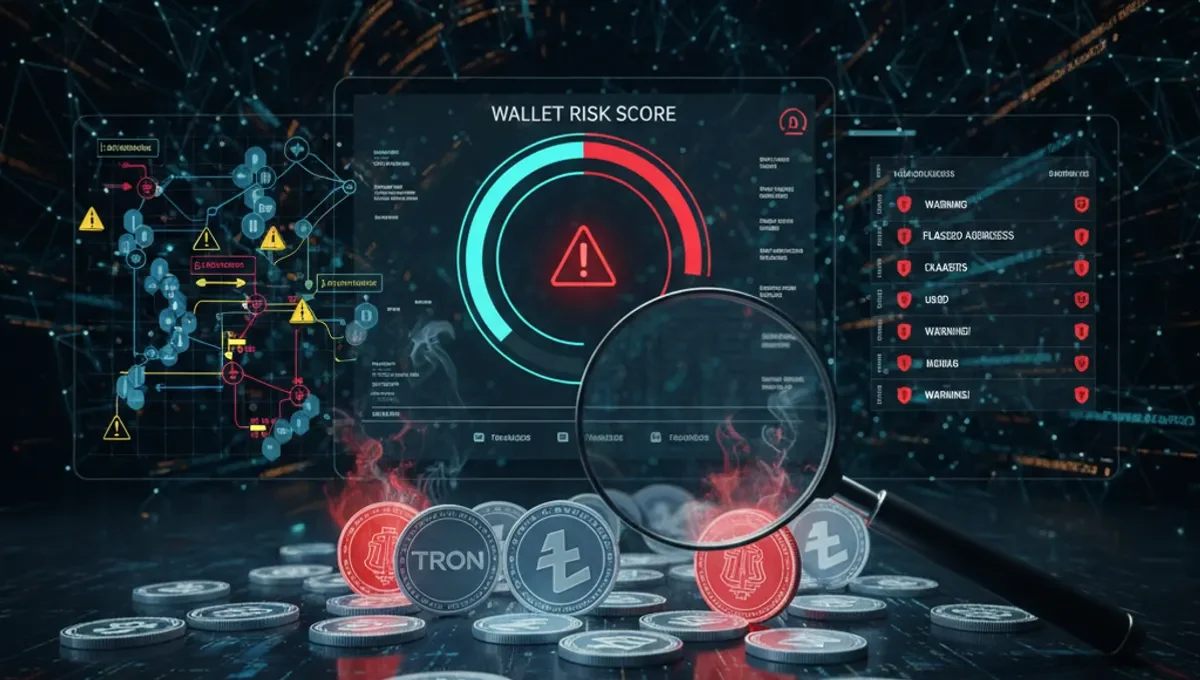
A standard AML check fee covers risk score calculation, sanctions list screening, and basic transaction pattern analysis. The risk score reflects exposure to mixers, stolen funds, darknet markets, and gambling platforms. Sanctions screening matches wallet addresses against OFAC, UN, EU, and other regulatory lists. Some services include transaction history review, showing where coins originated and how many times they've been moved. Premium tiers add darknet market detection, stolen fund tracing, and custom watchlist matching. Enterprise packages include API access, white-label reporting, and dedicated compliance officers. Before paying, confirm what's included: a $10 scan might only flag obvious risks, while a $50 check includes detailed transaction forensics. Review the AML check requirements for your use case—a business receiving USDT on Tron needs more depth than an individual checking a single address before accepting payment.
How to Compare AML Check Fees Across Providers
Start by listing your needs: How many wallets do you check monthly? Do you need real-time monitoring or one-time scans? Do you require API integration or a web interface? Then compare per-check cost, subscription price, and what each tier includes. A service charging $20 per scan but including darknet detection may cost less than a $5 service that requires a $200 monthly subscription for the same features. Check response time—some charge more for instant results versus 24-hour turnaround. Look for trial periods or free credits to test the platform before committing. Our curated list of verified AML services on this site compares pricing, features, and user reviews side-by-side, making it easier to find the best value for your AML check process. Avoid services with unclear pricing or hidden per-transaction fees buried in terms of service.
AML Check Fee vs. Risk of Receiving Tainted Coins
Skipping an AML check to save fees can cost far more. Receiving stolen USDT or Bitcoin linked to sanctions violations exposes you to frozen accounts, exchange bans, and regulatory scrutiny. A $20 AML check tron wallet screening prevents receiving coins that exchanges will reject, forcing you to hold unmarketable assets. Businesses face compliance fines if they knowingly transact with sanctioned entities or stolen funds. The AML check requirements exist precisely because the cost of non-compliance exceeds screening fees. A $50 monthly subscription for ongoing transaction monitoring is negligible compared to losing access to your exchange account or facing regulatory penalties. Think of the fee as insurance: you pay a small amount upfront to avoid catastrophic losses. For high-value transfers, the fee is trivial; for frequent traders, it's a standard business expense.
Free vs. Paid AML Check Services
Free AML check crypto options exist but come with significant limitations. Free tiers typically allow 1–5 checks per month, provide only basic risk scoring, and lack detailed transaction history or darknet detection. They're useful for occasional users who need a quick sanity check before receiving a single payment. Paid services unlock unlimited checks, faster results, detailed forensics, and priority support. For businesses, the free tier is insufficient—you need consistent, reliable screening across all incoming transactions. The cost difference is modest: $20–$50 per month for a basic paid plan versus free but limited access. Most users find that the first time they need a detailed report on a suspicious wallet, the paid plan pays for itself. Start with a free trial if available, then upgrade to a paid plan once you understand your actual usage volume and reporting needs.
Reducing AML Check Costs Without Sacrificing Compliance
Batch your checks: instead of screening each wallet individually, collect addresses and run them together during off-peak hours if the service offers discounts. Use tiered pricing: run basic checks on all incoming wallets, then pay for detailed forensics only on flagged addresses. Negotiate volume discounts if you're a business—many providers offer reduced per-check rates at higher volumes. Combine services: use a free basic scanner for initial screening, then pay for premium analysis only when needed. Automate with API integration if you process many transactions; per-transaction fees often drop below per-scan pricing at scale. Set acceptable risk score thresholds so you don't pay for detailed reports on clearly safe wallets. Review your subscription quarterly—if you're not using all features, downgrade to a lower tier. The goal is to meet AML check requirements without overpaying for unused features.
Frequently asked questions
How much does an AML check cost?
Costs range from free (limited to 1–5 checks monthly) to $5–$50 per scan, $50–$500+ monthly subscriptions, or custom API pricing for enterprises. The fee depends on screening depth, provider, and whether you need one-time checks or ongoing monitoring. Basic scans cost less; detailed forensics with darknet detection cost more.
What does an AML check fee include?
Standard fees cover risk score calculation, sanctions list screening, and basic transaction analysis. Premium tiers add darknet market detection, stolen fund tracing, and detailed transaction history. Confirm what's included before paying—some cheap services offer minimal reporting, while expensive ones may include features you don't need.
Is it worth paying for an AML check?
Yes. The cost of receiving tainted coins—frozen accounts, exchange bans, regulatory fines—far exceeds screening fees. A $20–$50 monthly subscription prevents costly compliance violations and protects your ability to move funds. For businesses, it's a standard compliance expense.
Can I get a free AML check for my crypto wallet?
Free tiers exist but are limited: typically 1–5 checks monthly with basic risk scoring only. They're useful for occasional users but insufficient for businesses. Paid plans unlock unlimited checks, detailed forensics, and faster results, usually starting at $20–$50 monthly.
How do I choose an AML check service by price?
Compare per-check cost, subscription price, and included features. A $20 service with darknet detection may cost less than a $5 service requiring a $200 monthly subscription. Check our verified AML services list for side-by-side pricing and feature comparisons before committing.