What Is a Crypto Wallet Example and Why It Matters
A crypto wallet example is a blockchain address that holds cryptocurrency. Each blockchain has its own address format: Bitcoin addresses typically start with 1, 3, or bc1; Ethereum addresses start with 0x; Tron addresses start with T. A wallet is controlled by a private key—a secret code that proves ownership and allows the holder to send funds. Understanding wallet structure matters because exchanges, regulators, and compliance teams now screen wallets before accepting deposits. If a wallet has received funds from high-risk sources like mixers or darknet markets, exchanges may freeze the account or reject the deposit. This is why crypto wallet screening has become standard practice in compliance workflows.
Crypto Wallet Explained: Hot, Cold, and Custodial Types
Crypto wallets fall into three main categories. Hot wallets are connected to the internet and hold private keys on a device or exchange; they are convenient but carry higher risk of theft or compromise. Cold wallets store private keys offline on hardware devices or paper; they are more secure but less convenient for frequent trading. Custodial wallets are held by a third party such as an exchange; the exchange controls the private key, and the user relies on the exchange's security and compliance. Each type has different risk profiles. Hot wallets on exchanges are subject to exchange-level AML screening and transaction monitoring. Cold wallets held privately are not monitored by default, but their funds may still be flagged as tainted if they receive deposits from high-risk sources. Understanding wallet type helps determine what screening steps are necessary before moving funds.
Crypto Wallet Fees: How Screening and Compliance Affect Costs
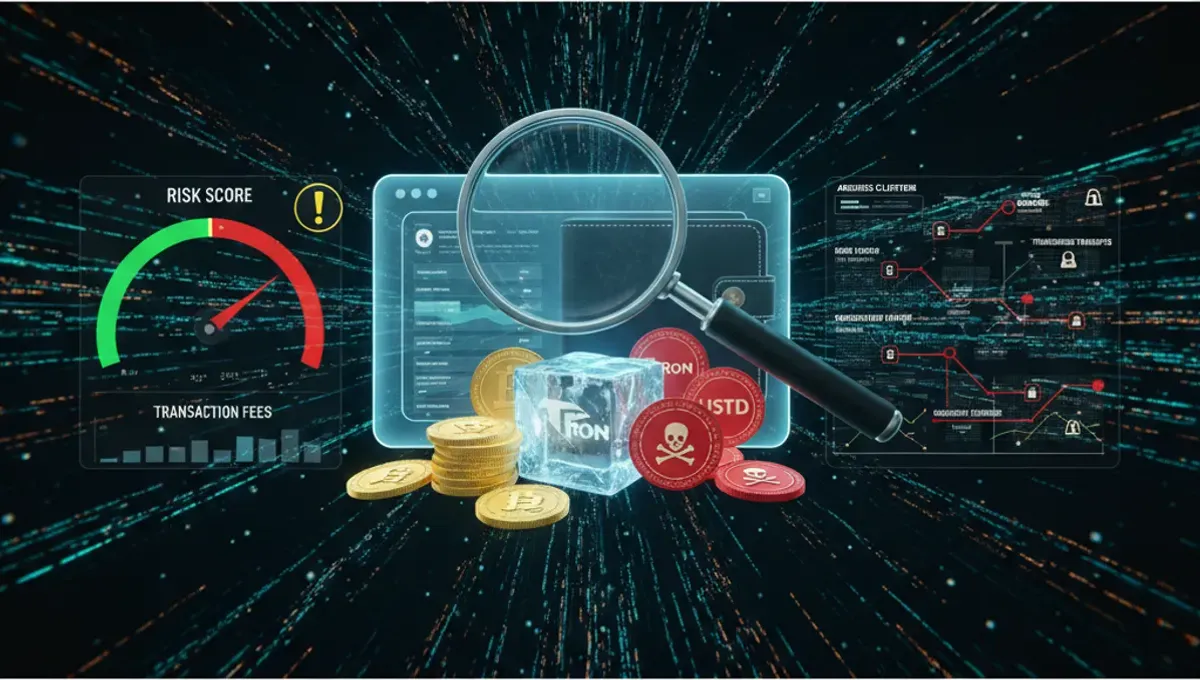
Crypto wallet fees vary by blockchain and service. Bitcoin network fees depend on transaction size and network congestion, typically ranging from a few dollars to over 100 dollars per transaction. Ethereum gas fees fluctuate based on network demand. Tron TRC20 transfers are often free or cost fractions of a cent. Beyond transaction fees, compliance screening adds indirect costs: exchanges may charge deposit or withdrawal fees to cover AML monitoring and wallet screening infrastructure. Some exchanges offer free deposits but charge withdrawal fees. If a wallet is flagged as high-risk during screening, the exchange may impose additional verification steps, delays, or rejection of the deposit entirely. This means that screening a wallet before sending funds can prevent costly rejections and account freezes. Users should factor in screening time and potential compliance holds when planning transfers.
Crypto Wallet Ranking and Risk Scoring: What the Numbers Mean
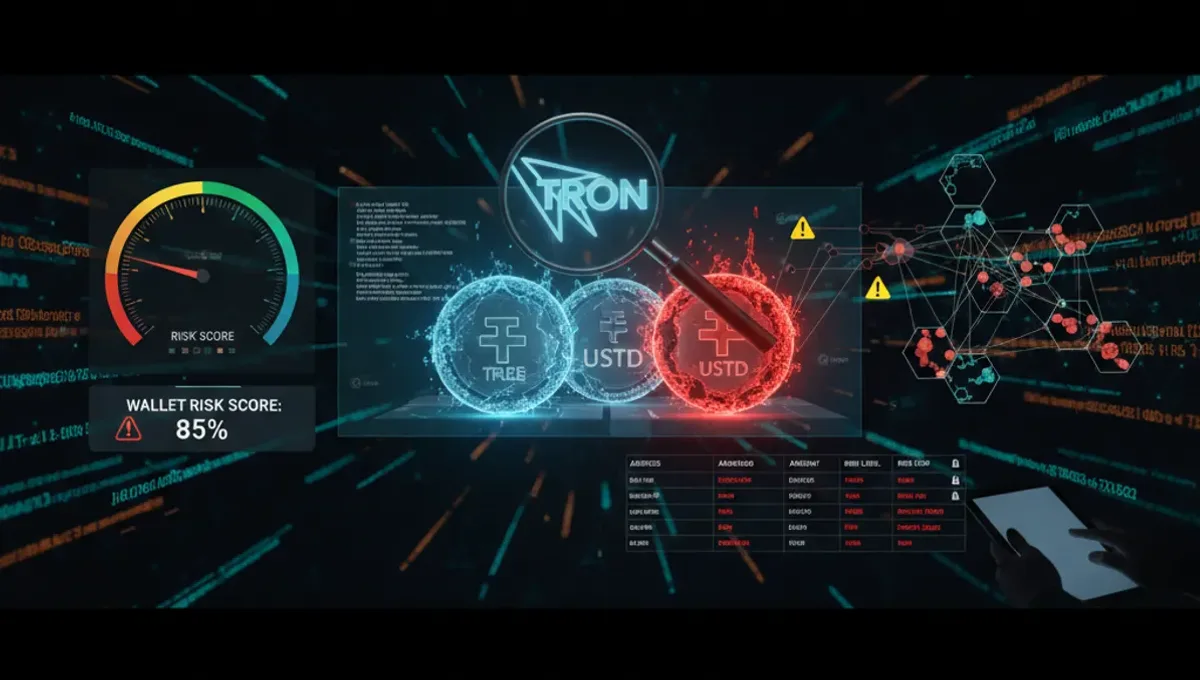
Crypto wallet ranking systems assign risk scores based on transaction history and counterparty exposure. A wallet's risk score reflects the likelihood that its funds are tainted or linked to illicit activity. Low-risk scores (typically 0–20) indicate the wallet has clean transaction history with no exposure to mixers, darknet markets, or sanctioned entities. Medium-risk scores (20–60) suggest some exposure to higher-risk sources but not necessarily illicit activity; for example, a wallet that received funds from a gambling platform or a less-regulated exchange. High-risk scores (60–100) indicate direct or indirect exposure to known malicious actors, stolen funds, or sanctions-listed entities. Exchanges and compliance teams use these scores to decide whether to accept deposits. A wallet with a score above 70 is likely to be rejected by major exchanges. Understanding your wallet's risk score before sending funds prevents costly rejections and account holds.
How to Check a Wallet Before Receiving USDT or TRX: Step-by-Step
Before receiving USDT, TRX, or any cryptocurrency, screen the sending wallet for risk. Here is the process:
- Obtain the sender's wallet address (a long string of characters starting with 0x for Ethereum, T for Tron, or 1/3/bc1 for Bitcoin).
- Visit a trusted AML screening service listed on our verified AML Services page.
- Paste the wallet address into the screening tool.
- Review the risk score and transaction history. Look for red flags: deposits from mixers, darknet market addresses, or sanctioned entities.
- Check the wallet's age and transaction frequency. Newly created wallets with few transactions carry higher uncertainty.
- If the risk score is below 40, the wallet is generally acceptable for receiving funds.
- If the score is 40–70, contact the sender to understand the source of their funds before accepting.
- If the score is above 70, reject the transfer or escalate to your compliance team.
This screening takes minutes and prevents your exchange account from being frozen due to tainted coin deposits.
Crypto Wallet Screening: What Happens When Coins Are Flagged as Dirty
When a wallet receives funds flagged as tainted or dirty crypto, several outcomes are possible. If the receiving wallet is held on an exchange, the exchange's AML system may flag the deposit during wallet screening. The exchange may place a temporary hold on the funds pending manual review. In some cases, the exchange will freeze the account and request additional documentation about the source of funds. If the user cannot prove the funds are legitimate, the exchange may permanently freeze the account and the funds. In extreme cases, if the funds are linked to sanctions-listed entities or known stolen assets, the exchange may report the activity to financial authorities. Users who receive tainted coins unknowingly are not necessarily liable for criminal activity, but they may face account restrictions or loss of access to their funds. This is why screening wallets before accepting deposits is critical: it prevents receiving dirty crypto in the first place.
Acceptable Risk Score Thresholds and Best Practices
Most exchanges and compliance teams use these thresholds for wallet screening decisions:
- Risk score 0–30: Accept without additional review. These wallets have clean transaction history.
- Risk score 30–50: Accept with standard AML verification. Request proof of funds source if needed.
- Risk score 50–70: Escalate to compliance review. Require additional documentation before accepting.
- Risk score 70–100: Reject or freeze pending investigation. High likelihood of illicit exposure.
Best practices for avoiding tainted coins include: only receive funds from wallets you trust or have screened; use exchanges that perform mandatory wallet screening on deposits; maintain records of all transfers and their sources; and conduct periodic screening of your own wallets to monitor for unexpected high-risk activity. If you operate a business that accepts cryptocurrency, implement wallet screening as a standard step in your payment workflow. This protects your business from regulatory penalties and account freezes.
Frequently asked questions
What does a crypto wallet example look like?
A crypto wallet example is a blockchain address: a Bitcoin address like 1A1z7agoat7SFfukcVY9Kn3uk2DMQebwT, an Ethereum address like 0x742d35Cc6634C0532925a3b844Bc9e7595f42bE, or a Tron address like TLAWdc9EmH2QHA8eS1LFnJ6v3MsxQqg57h. Each is a unique identifier that holds cryptocurrency and is controlled by a private key.
How do I know if a crypto wallet is safe to receive funds from?
Screen the wallet using a trusted AML service to check its risk score and transaction history. Look for exposure to mixers, darknet markets, or sanctioned entities. A risk score below 40 is generally safe. If the score is 40–70, verify the source with the sender. Above 70, reject the transfer to avoid receiving tainted coins.
What is a good crypto wallet risk score?
A good risk score is 0–30, indicating clean transaction history with no exposure to high-risk sources. Scores 30–50 are acceptable with standard verification. Scores above 50 require escalation or rejection. Most exchanges reject deposits from wallets scoring above 70 to comply with AML regulations.
Can I check a wallet's risk score for free?
Many AML screening services offer free wallet checks with limited detail. Our curated list of verified AML services on the AML Services page includes both free and paid options. Free checks typically show basic risk scores; paid services provide detailed transaction history and sanctions screening.
What happens if I receive funds from a high-risk wallet?
Your exchange may flag the deposit during wallet screening, place a temporary hold, or freeze your account pending review. If the funds are linked to theft or sanctions, your account may be permanently frozen. This is why screening wallets before accepting deposits is essential to avoid receiving dirty crypto.