What Is a Crypto Wallet and How Does It Work
A crypto wallet doesn't actually store coins; instead, it holds the private and public keys that prove ownership of cryptocurrency on a blockchain. Your public key is like an account number—anyone can see it and send you funds. Your private key is like a password—never share it, because whoever has it controls your coins. When you initiate a transaction, your wallet signs it with your private key, proving you authorized the transfer. The blockchain then records the transaction permanently. Different blockchains require different wallet types: Bitcoin wallets manage BTC addresses, Tron wallets handle TRX and USDT on the TRC20 network, and Ethereum wallets work with ETH and ERC20 tokens. Each wallet type uses distinct address formats and cryptographic standards.
Types of Crypto Wallets: A Crypto Wallet Example
Hardware wallets are physical devices (like USB sticks) that store private keys offline, offering the highest security for long-term holdings. Software wallets are applications on your phone or computer; they're convenient but more exposed to malware if your device is compromised. Web wallets run in your browser and are easiest to access but rely on the provider's security. Custodial wallets are hosted by exchanges or services—you don't control the private keys, but the provider handles security and recovery. Non-custodial wallets give you full control but mean you're responsible for backing up your keys. A crypto wallet example: a user might store large amounts in a hardware wallet for safety, keep spending money in a mobile software wallet, and maintain an exchange account for trading. Each serves a different purpose and carries different risk levels.
Understanding Crypto Wallet Fees
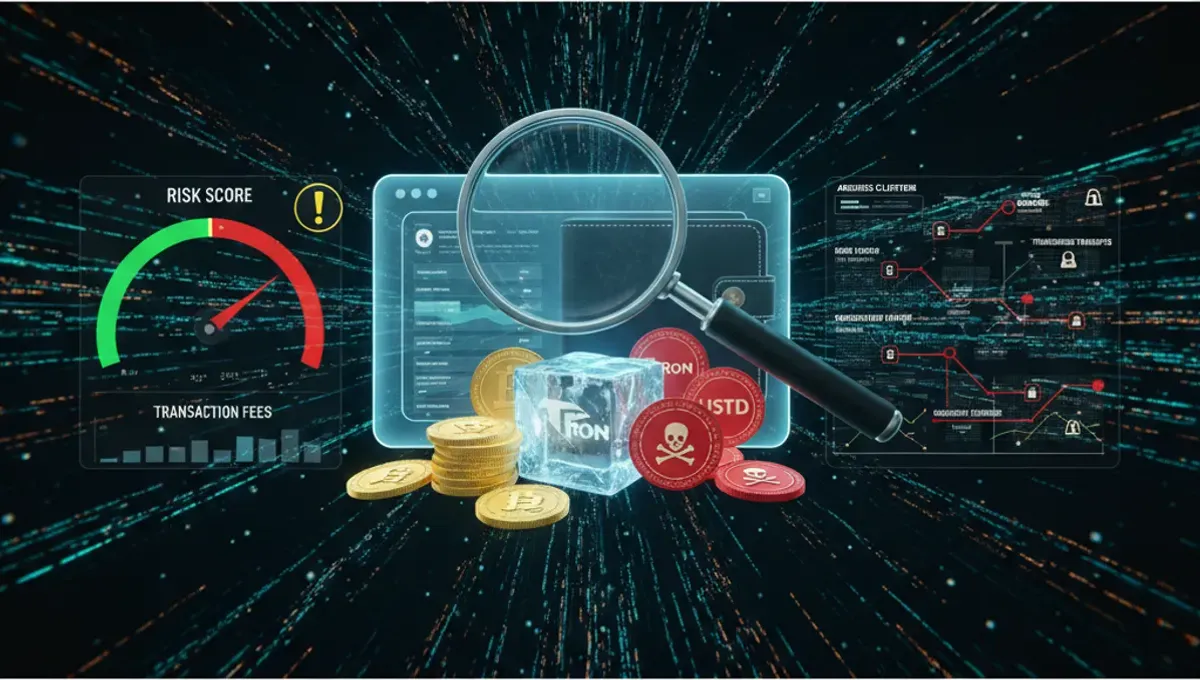
Crypto wallet fees vary by type and function. Hardware wallets have an upfront purchase cost but no ongoing fees for storage. Software and web wallets are often free but may charge for advanced features or premium support. The largest fees come from transactions themselves: network fees (also called gas fees) are paid to miners or validators to process your transfer on the blockchain. These fees fluctuate based on network congestion—during peak times, fees spike; during quiet periods, they drop. Some wallets charge a percentage of each transaction as a service fee on top of network costs. Custodial wallets may charge withdrawal fees or trading fees. Comparing crypto wallet fees across providers is important: a wallet with low transaction fees but high withdrawal charges might cost more overall. Always check the fee structure before choosing a wallet for frequent trading or transfers.
Crypto Wallet Screening and Risk Assessment
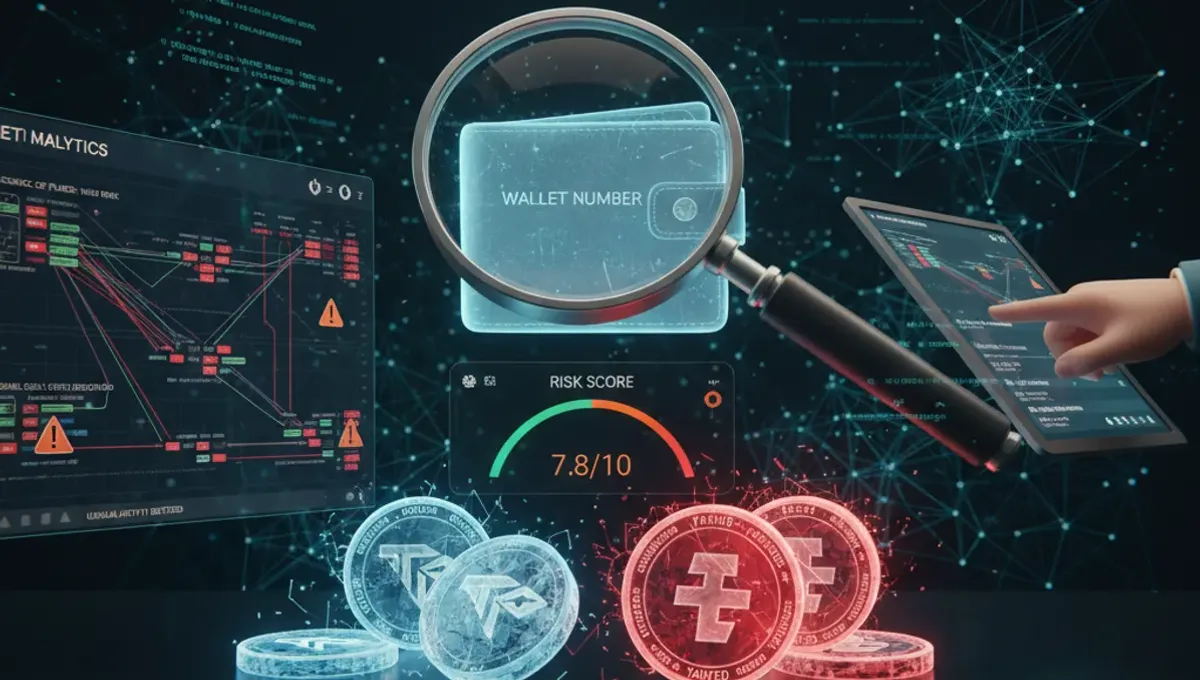
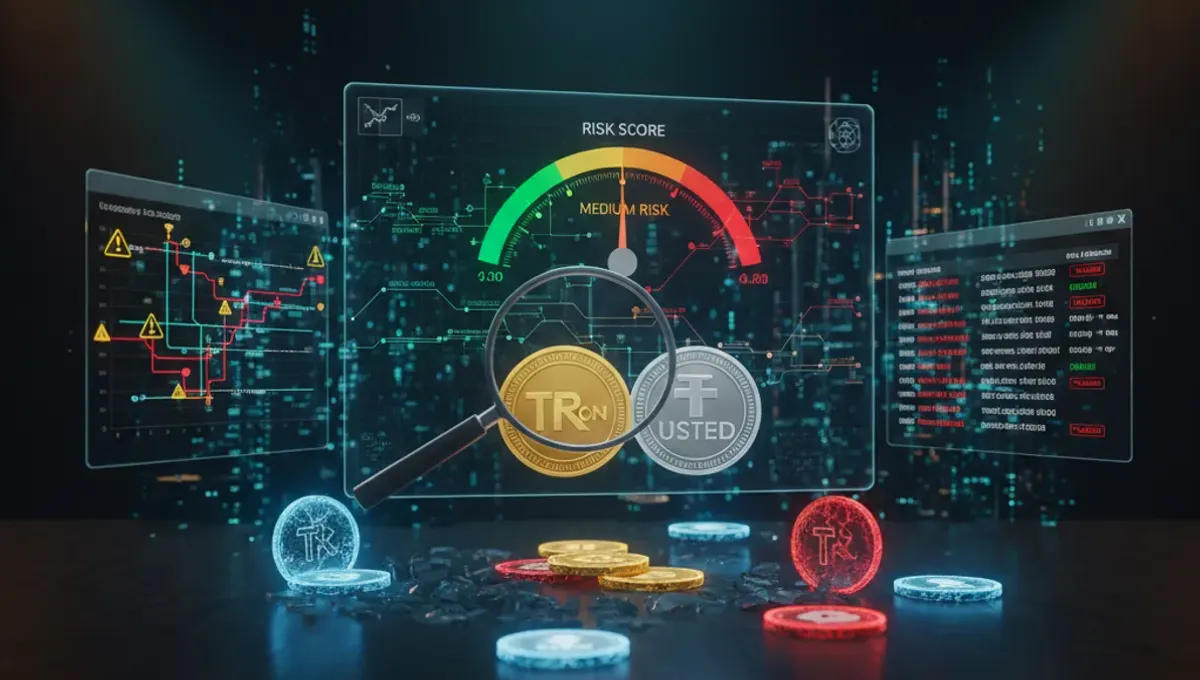
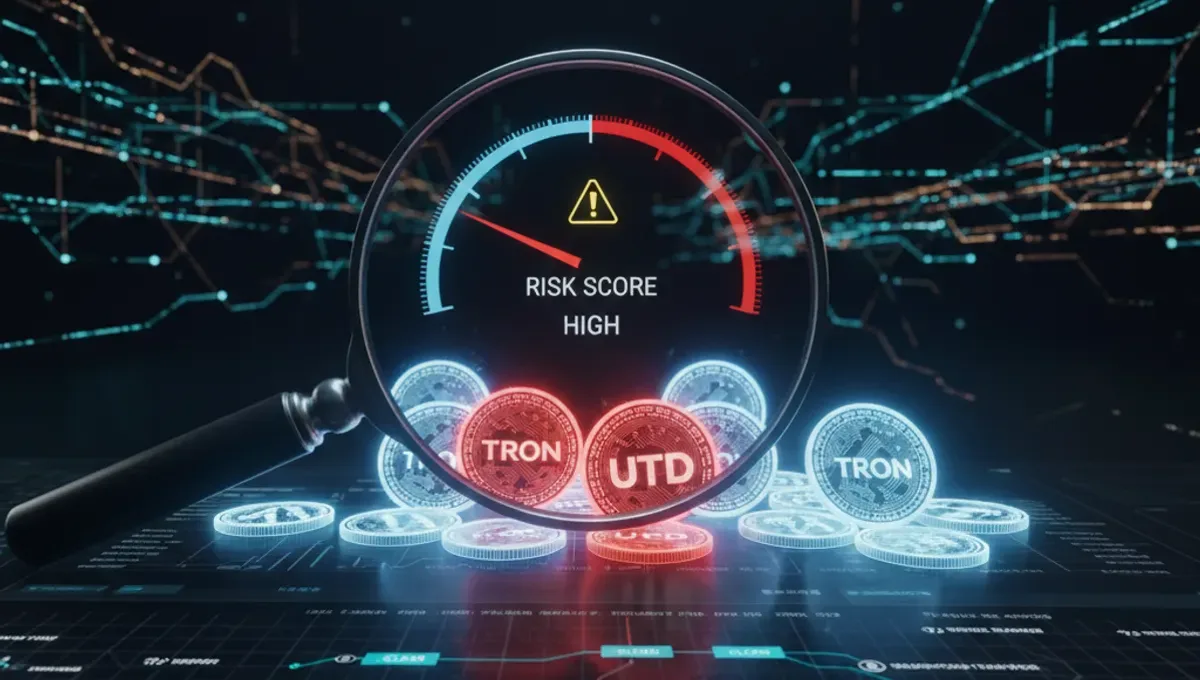
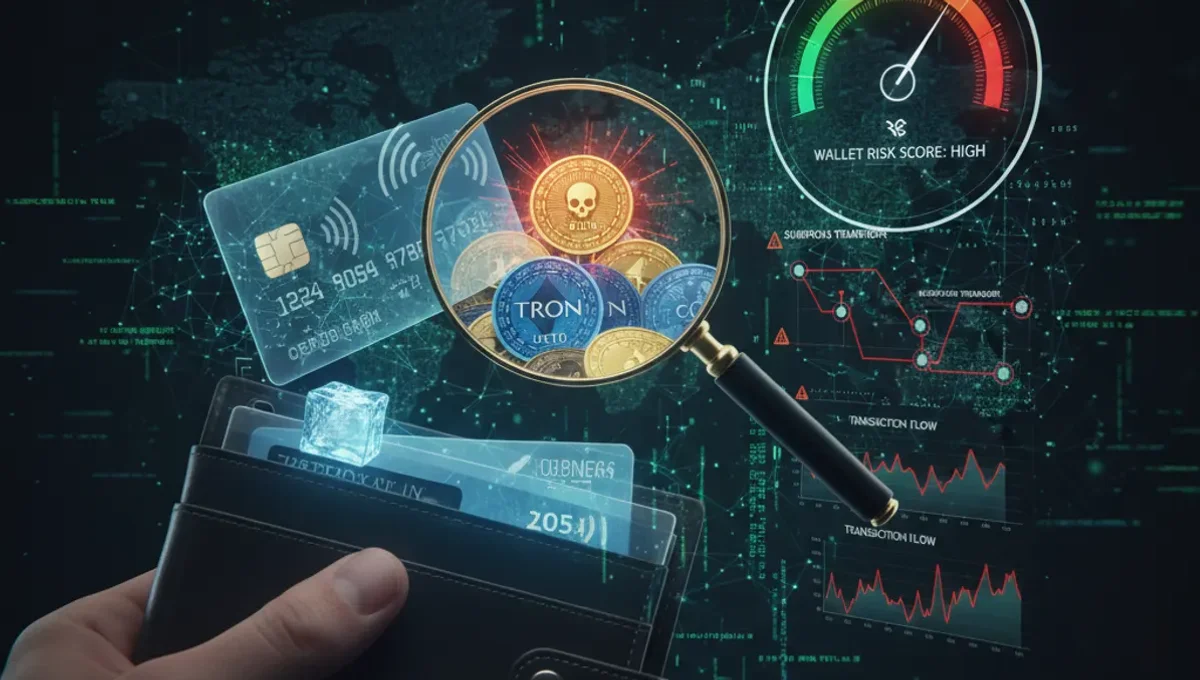
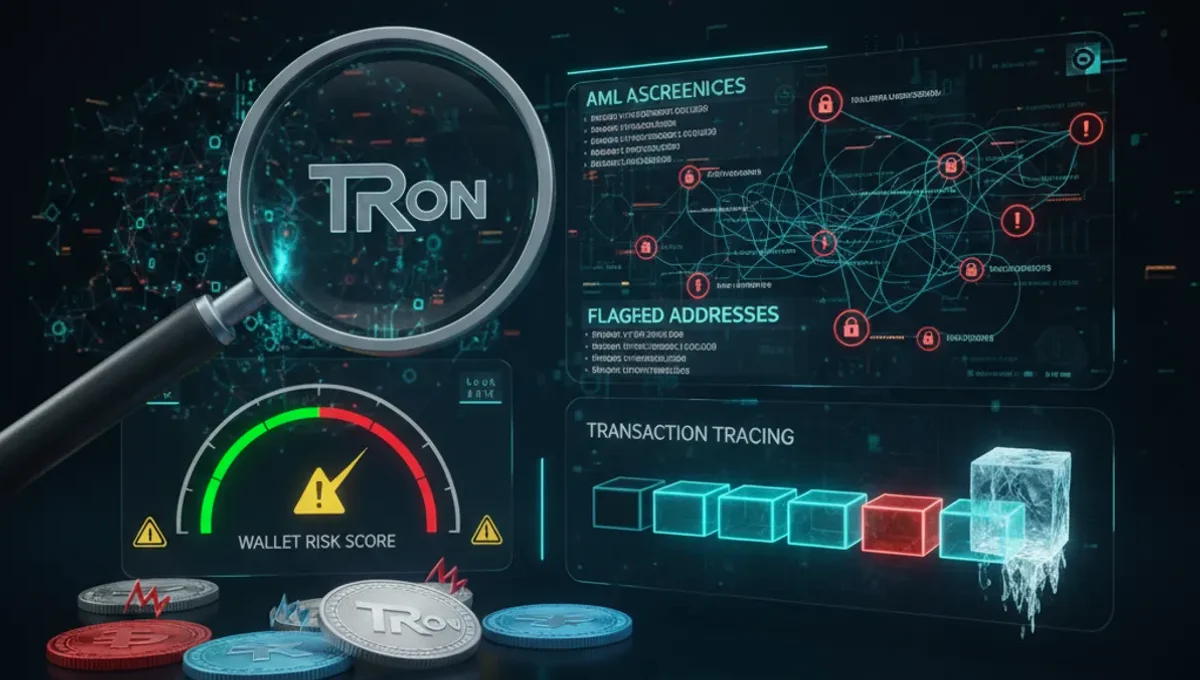
Before receiving cryptocurrency, especially large amounts, screening the sending wallet for compliance risk is critical. AML (Anti-Money Laundering) screening checks whether a wallet has received funds from high-risk sources: darknet markets, mixers, stolen funds, sanctioned entities, or scams. Each wallet receives a risk score based on its transaction history. A low risk score means the wallet has clean provenance; a high score signals potential tainted coins. Crypto wallet screening tools analyze the blockchain to trace fund origins and flag suspicious patterns. This matters because receiving stolen or sanctioned cryptocurrency can result in your own wallet being flagged, your exchange account being frozen, or legal complications. Exchanges increasingly perform wallet screening on deposits; if your incoming funds are flagged as dirty, the exchange may reject the deposit or lock your account pending investigation. Using a trusted AML service to screen wallets before accepting large transfers protects you from compliance liability.
How to Check a Wallet Before Receiving Funds
Follow these steps to screen a wallet before accepting cryptocurrency:
- Ask the sender for their wallet address.
- Copy the address carefully—typos can send funds to the wrong place.
- Use an AML screening tool to check the address for risk flags.
- Review the risk score and any flagged transaction sources.
- If the score is low and sources are clean, proceed with confidence.
- If the score is high or sources include mixers or darknet activity, ask the sender about the fund origin or decline the transfer. Most exchanges and compliance services provide risk score thresholds: scores below 20 are generally acceptable; scores 20–50 warrant caution; scores above 50 are high-risk. For large transfers, check the wallet even if the sender is trusted—their account may have been compromised. The trusted AML services listed on our verified services directory offer wallet screening with detailed risk reports and are a safe starting point for compliance checks.
Crypto Wallet Ranking and Compliance Comparison
Wallets differ in their compliance features and risk management. Hardware wallets rank high for security but offer no built-in AML screening. Exchange-hosted wallets rank high for compliance because exchanges perform KYC (Know Your Customer) checks and transaction monitoring. Non-custodial software wallets offer privacy but no compliance oversight—the user bears full responsibility for screening counterparties. Tron wallets and Bitcoin wallets are equally capable of receiving tainted coins; the risk depends on the sender's history, not the wallet type. When ranking wallets for your needs, consider: security (how well private keys are protected), compliance (whether the provider screens transactions), ease of use, and fee structure. A high-ranking wallet for day traders might be an exchange account with low fees and fast withdrawals. A high-ranking wallet for long-term storage might be a hardware device with offline security. No single wallet ranks best for everyone; your choice depends on your use case and risk tolerance.
What to Do If Your Wallet Receives Flagged Coins
If you receive cryptocurrency flagged as tainted or high-risk, act quickly. First, do not move the funds to an exchange immediately—this may trigger additional scrutiny. Second, investigate the source: contact the sender and ask about the fund origin. If the sender cannot explain the source or admits the funds are problematic, consider returning them or reporting the transaction. Third, document everything: keep records of the sender's explanation and your due diligence. Fourth, if you must deposit the flagged coins to an exchange, inform the exchange support team proactively and provide your investigation notes. Exchanges may freeze the deposit pending review, but transparency and documentation improve the outcome. Fifth, use an AML screening service to generate a detailed risk report for your records—this demonstrates compliance effort if questioned later. Do not attempt to launder flagged coins through mixers or multiple wallets; this is illegal and easily detected by blockchain analytics. If your exchange account is frozen due to flagged deposits, contact support with evidence of your due diligence and cooperate fully with any compliance inquiries.
Frequently asked questions
What is the difference between a public key and a private key in a crypto wallet
Your public key is your wallet address—shareable and used to receive funds. Your private key is secret and proves ownership; anyone with it can spend your coins. Never share your private key. The public key is derived from the private key using cryptography, so the private key must always be kept secure and backed up safely.
How much do crypto wallet fees typically cost
Hardware wallets cost $50–200 upfront but have no ongoing storage fees. Software wallets are free or charge small premiums for features. Transaction fees vary: Bitcoin network fees range from a few dollars to $50+ during congestion; Tron fees are typically under $1. Exchange withdrawal fees vary by platform. Always compare total costs across providers before choosing a wallet.
Can I receive stolen cryptocurrency in my wallet
Yes, technically anyone can send you any cryptocurrency. However, if you receive stolen or tainted coins, your wallet and exchange account may be flagged during compliance screening. This can result in frozen funds or account suspension. Always screen incoming wallets for risk before accepting large transfers to avoid compliance liability and account locks.
What does a crypto wallet risk score mean
A risk score is a number (typically 0–100) assigned by AML screening tools based on a wallet's transaction history. Low scores indicate clean fund sources; high scores flag potential tainted coins, darknet exposure, or sanctions risk. Scores above 50 are generally considered high-risk. Use risk scores to decide whether to accept incoming funds from a wallet.
Why should I screen a crypto wallet before sending or receiving funds
Screening protects you from compliance risk, account freezes, and legal liability. If you receive tainted coins, exchanges may reject deposits or freeze your account. If you send funds to a sanctioned address, you may face regulatory consequences. Wallet screening takes minutes and prevents costly problems. Use trusted AML services to check wallet risk before any significant transfer.