What Is a Crypto Wallet Number?
A crypto wallet number, also called a wallet address, is a string of characters that represents a specific location on a blockchain where cryptocurrency can be sent or received. Bitcoin addresses typically start with 1, 3, or bc1 and are 26–35 characters long. Ethereum and Tron addresses are 42 characters and begin with 0x or T respectively. Each wallet number is unique and permanent; it cannot be changed or reused across different blockchains. The wallet number is public information—anyone can see the balance and transaction history associated with it on the blockchain. This transparency is why wallet screening is possible: analysts can trace the origin and destination of funds by examining the wallet number and its transaction history.
Crypto Wallet Explained: How Screening Works
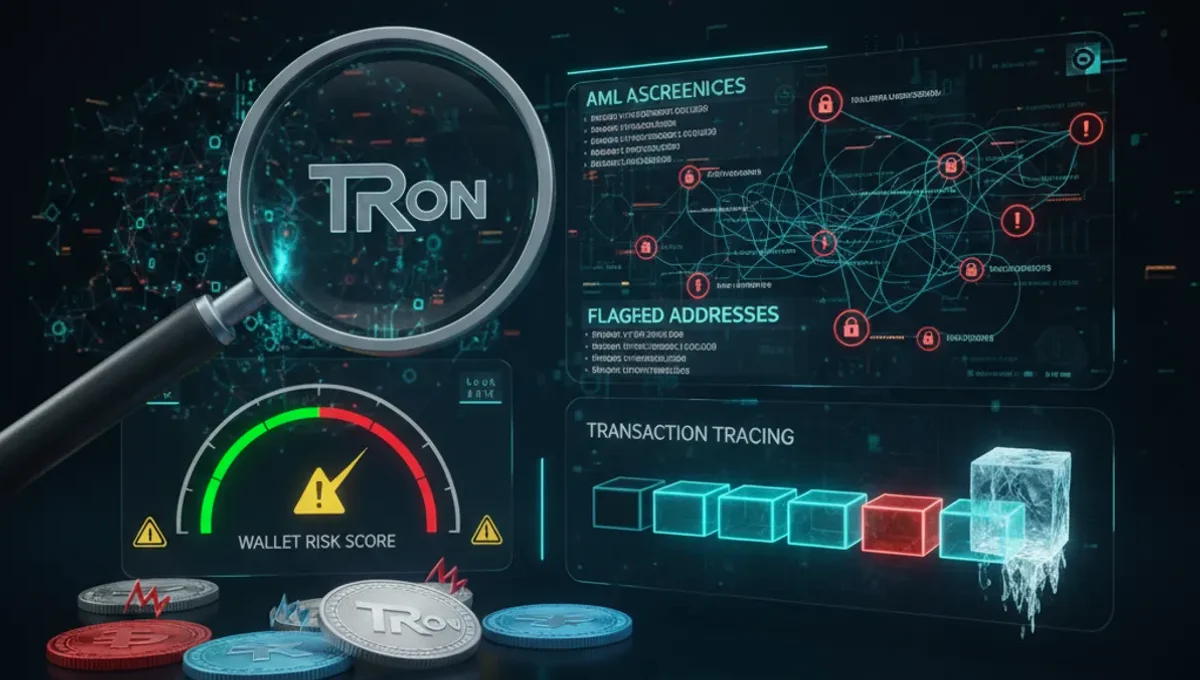
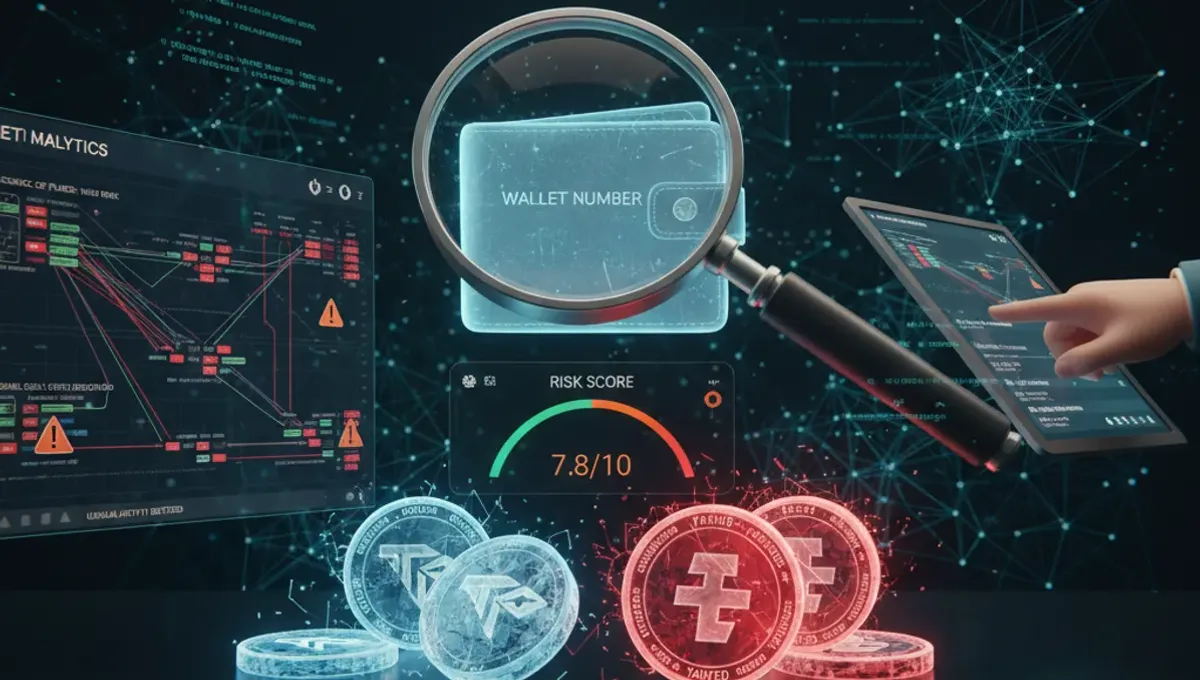
Wallet screening is the process of analyzing a wallet number to determine whether it has received funds from high-risk sources or counterparties. AML (anti-money laundering) tools examine the transaction history linked to a wallet number and cross-reference it against known risk categories. These categories include: mixers and tumblers (services that obscure fund origins), darknet markets, scams, stolen funds, sanctioned entities, and gambling platforms. When you input a wallet number into a screening tool, the system traces backward through the blockchain to identify where funds originated. If a wallet has received even a small amount from a flagged source, it may be marked as tainted or high-risk. The screening process generates a risk score that indicates the likelihood of compliance issues.
How to Check a Wallet Number Before Receiving Funds
Before accepting cryptocurrency, follow these steps to check a wallet number:
- Obtain the wallet number from the sender and verify it matches their stated address (typos can redirect funds to the wrong wallet).
- Visit a trusted AML screening service listed on verified provider directories.
- Enter the wallet number and select the correct blockchain (Bitcoin, Ethereum, Tron, etc.).
- Review the risk score and transaction history report.
- Check whether the wallet has received funds from mixers, darknet markets, or sanctioned entities.
- Decide whether the risk level is acceptable for your use case.
For USDT on Tron (TRC20) or Ethereum (ERC20), enter the wallet number that will receive the stablecoin. The screening tool will show whether that address has been flagged for compliance issues. If the risk score is high, consider declining the transaction or requesting funds from a different wallet number.
Understanding Crypto Wallet Risk Scores and Ranking
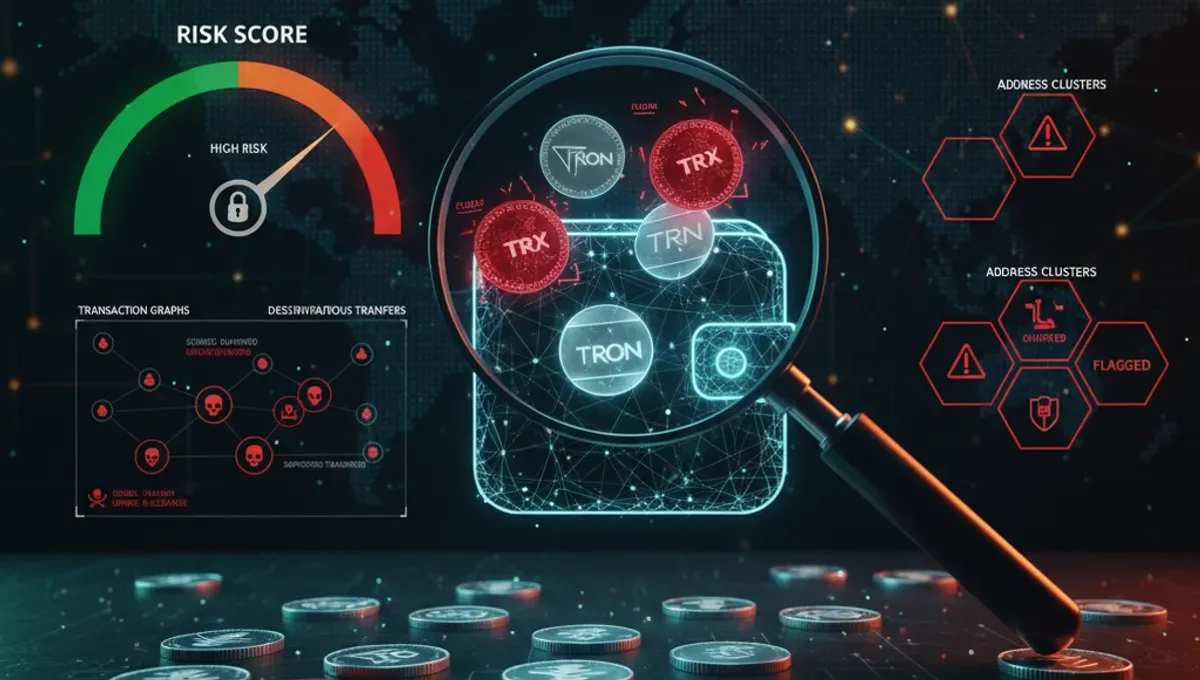
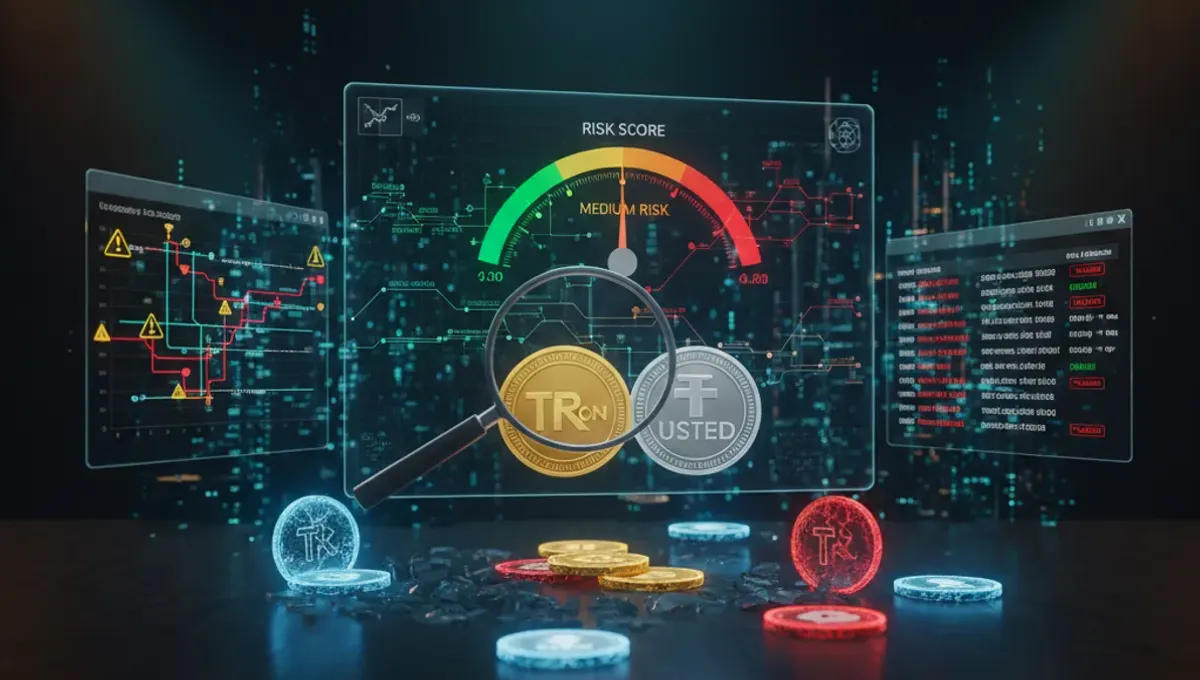
A crypto wallet risk score is a numerical rating that reflects the likelihood of compliance or regulatory issues. Risk scores typically range from 0 to 100, with lower scores indicating cleaner funds. Most AML services rank wallet numbers into categories: low risk (0–20), medium risk (21–50), high risk (51–80), and critical risk (81–100). A wallet with a low risk score has minimal or no transaction history with flagged sources. A medium-risk wallet may have received small amounts from mixers or unidentified sources but no direct darknet or sanctions exposure. High-risk wallets have received significant funds from flagged entities or show patterns consistent with money laundering. Critical-risk wallets are linked to known scams, stolen funds, or sanctioned counterparties. Your acceptable threshold depends on your compliance requirements: retail users may tolerate medium risk, while regulated exchanges typically reject anything above low risk.
Crypto Wallet Fees and Screening Costs
Screening a wallet number is often free or low-cost through basic AML services, though detailed reports may require payment. Many blockchain analytics platforms offer free tier checks that provide a risk score and basic transaction history. Premium screening services charge per wallet check, ranging from a few dollars to higher fees for enterprise-level monitoring. Some services offer subscription models for businesses that need to screen multiple wallet numbers regularly. When evaluating crypto wallet fees for screening, compare what each service includes: basic risk score, transaction history depth, sanctions list cross-referencing, and ongoing monitoring. Free screening is sufficient for most individual users checking a single wallet before a transaction. Businesses handling high-volume transfers should consider paid services that provide detailed reports, API access, and compliance documentation suitable for audits.
What Happens If Your Wallet Number Is Flagged as Tainted?
If a wallet number is flagged as tainted or high-risk, several consequences may follow. Exchanges may freeze or restrict deposits from that wallet, preventing you from converting cryptocurrency to fiat currency. Some platforms will not accept transfers from flagged wallet numbers, effectively blocking the funds. If you received tainted coins unknowingly, you may need to prove the source of the funds to the exchange or regulator. Regulatory authorities may investigate if large amounts of flagged cryptocurrency move through your account. To mitigate this: request a detailed screening report explaining why the wallet is flagged, trace the problematic transaction to its source, and consider moving funds through a compliant exchange that can document the transaction history. If the flagged transaction was small or from an error, many exchanges will review the case. Proactive wallet screening before receiving funds prevents this situation entirely.
Best Practices for Wallet Number Screening
Adopt these practices to minimize risk when dealing with wallet numbers:
- Screen every wallet number before receiving significant amounts of cryptocurrency.
- Use multiple screening services if the initial result is borderline or unclear.
- Request wallet numbers from trusted, verified counterparties and confirm them through a second channel.
- Keep records of all screening reports for compliance and audit purposes.
- Avoid wallets with critical or high-risk scores unless you have a specific reason to accept the risk.
- For business transactions, require counterparties to provide wallet screening reports themselves.
- Monitor your own wallet number periodically to ensure it has not been flagged due to incoming transfers.
- Use the AML services listed on trusted provider directories to ensure you are using verified, reliable screening tools.
These steps reduce the likelihood of receiving stolen funds, sanctions-linked cryptocurrency, or coins from darknet sources.
Frequently asked questions
What is a crypto wallet number used for?
A crypto wallet number is used to send and receive cryptocurrency on a blockchain. It serves as a unique identifier for your account, similar to a bank account number. The wallet number is public, so anyone can see transactions associated with it. Before accepting funds, you can screen the sending wallet number to verify it is not linked to tainted coins or high-risk sources.
How long is a crypto wallet number?
Crypto wallet numbers vary by blockchain. Bitcoin addresses are 26–35 characters and start with 1, 3, or bc1. Ethereum and Tron addresses are 42 characters, starting with 0x and T respectively. The length and format ensure each wallet number is unique and cannot be confused with addresses on other blockchains.
Can I change my crypto wallet number?
No, a crypto wallet number is permanent and cannot be changed. Each wallet address is tied to a specific private key. If you want a new wallet number, you must create a new wallet. However, you can generate multiple wallet numbers within a single wallet application for privacy or organizational purposes.
Why should I screen a wallet number before receiving funds?
Screening a wallet number reveals whether it has received funds from tainted sources, mixers, darknet markets, or sanctioned entities. If you receive flagged cryptocurrency, exchanges may freeze your account or refuse deposits. Proactive screening prevents compliance issues and protects you from unknowingly handling stolen or illicit funds.
What does a high-risk wallet number mean?
A high-risk wallet number has received significant funds from flagged sources such as mixers, darknet markets, scams, or sanctioned entities. High-risk wallets may be rejected by exchanges or trigger regulatory scrutiny. A risk score above 50–80 typically indicates high risk, depending on the screening service's methodology.