What Is an AML Check in Crypto and Why It Matters
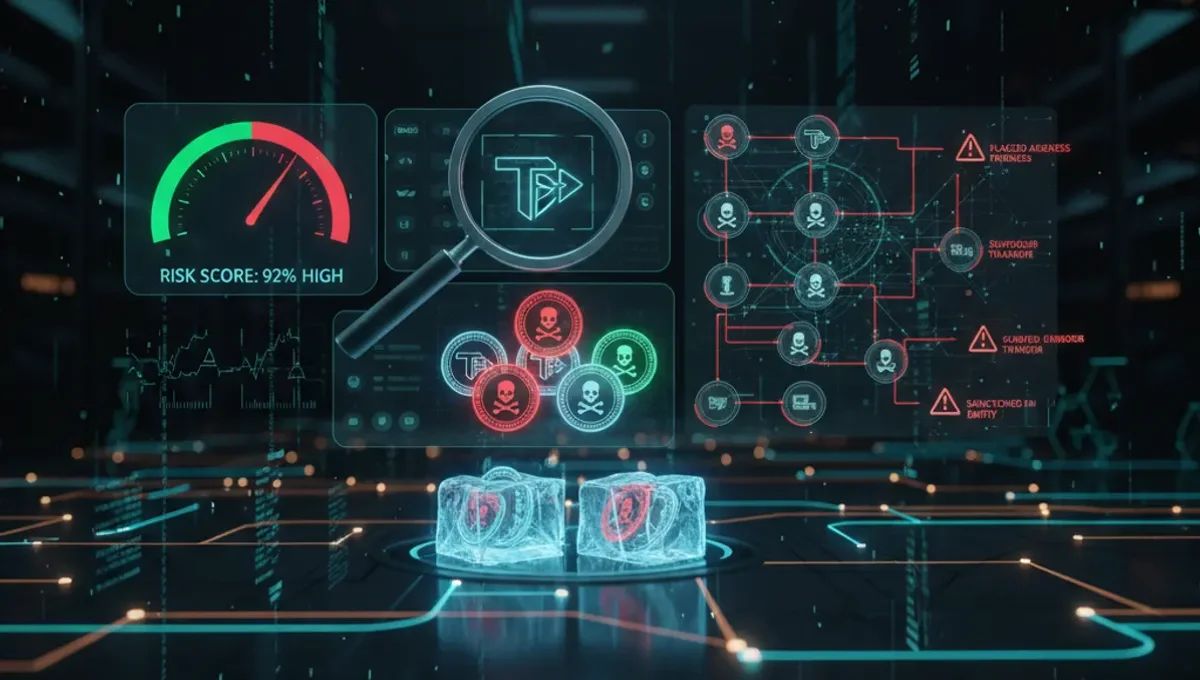
AML stands for Anti-Money Laundering. An AML check crypto wallet scan examines the transaction history and source of funds associated with an address to identify risk factors. The check looks for patterns linking a wallet to mixers, darknet markets, stolen funds, sanctioned counterparties, and other high-risk sources. Exchanges and custodians use AML checks to comply with regulatory requirements and prevent their platforms from processing illicit funds. For individual users, an AML check protects you from receiving dirty crypto—coins that may be frozen, flagged by exchanges, or subject to seizure. A single transaction with tainted coins can trigger account restrictions or fund lockups at major exchanges.
How the AML Check Process Works
An AML check process uses blockchain analytics to trace the movement of funds across the ledger. The system compares wallet addresses against known risk databases—lists of addresses linked to sanctions, darknet activity, scams, and theft. When you submit a wallet address, the analytics engine traces its transaction history backward and forward, assigning a risk score based on exposure to these categories. The aml check requirements typically include:
- the wallet address you want to screen,
- the blockchain network (Tron, Bitcoin, Ethereum, etc.), and
- the transaction amount or time period of interest. Results show which transactions are flagged, the risk category for each, and an overall risk score. The entire process takes seconds to minutes, depending on the wallet's transaction volume and the depth of analysis.
AML Check Crypto Wallet: Step-by-Step Screening Guide
To perform an AML check on a crypto wallet address:
- Identify the wallet address and blockchain network—for example, a TRC20 USDT address on Tron or a Bitcoin address.
- Visit a trusted AML screening service (our curated AML Services directory lists verified providers).
- Enter the wallet address in the search field.
- Select the blockchain network if prompted.
- Review the risk score and flagged transactions.
- Check the risk categories—common flags include mixer exposure, darknet market links, stolen funds, and sanctions connections.
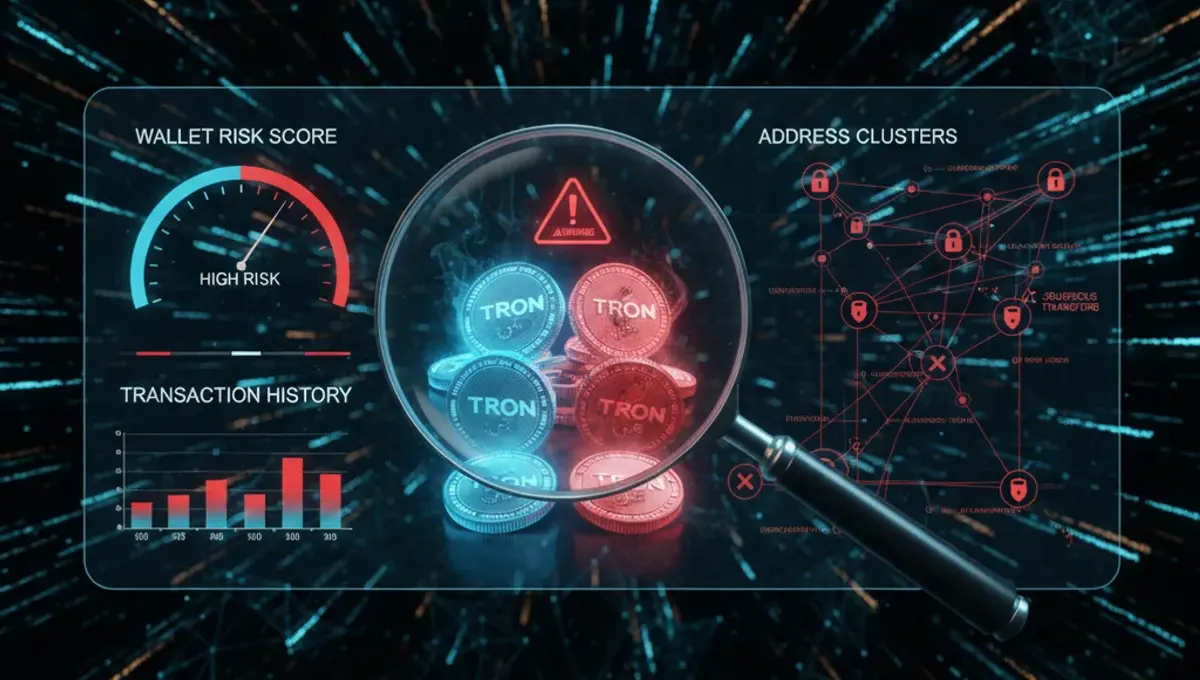
- Decide whether the risk level is acceptable for your use case. For Tron addresses specifically, an aml check tron wallet works the same way: enter the TRX or USDT (TRC20) address, and the system scans for tainted coins and high-risk sources on the Tron blockchain. Most services display results with transaction details, counterparty risk, and a numerical risk score.
Understanding Risk Scores and Acceptable Thresholds
AML check services assign a risk score—typically on a scale from 0 to 100 or low/medium/high/critical—based on wallet activity. A score of 0 or 'low' indicates minimal exposure to known risk sources; the wallet has clean transaction history. A medium score suggests some exposure to mixers or unverified sources but no direct sanctions or darknet links. A high or critical score flags direct connections to stolen funds, darknet markets, or sanctioned entities. Acceptable risk thresholds depend on your context: institutional exchanges typically reject any medium or higher score; retail users may accept low-to-medium risk depending on transaction size and counterparty. Before receiving USDT or TRX, check the sender's wallet; if the score is critical or high, request funds from a different address. For outbound transfers, screen the recipient's wallet to ensure you are not sending to a frozen or sanctioned address.
AML Check Fee and Cost Considerations
An aml check fee varies by service and depth of analysis. Many providers offer free basic checks that return a risk score and summary of flagged transactions. Free tiers typically have limits—for example, a maximum number of checks per day or limited transaction history depth. Paid plans unlock detailed reports, batch screening, API access, and priority support. An aml check cost for a single detailed report ranges from a few dollars to tens of dollars depending on the provider and wallet complexity. For businesses and exchanges, subscription models offer unlimited checks at a fixed monthly or annual rate. Before choosing a service, compare the aml check requirements for your use case: if you need occasional screening, a free tier may suffice; if you process many transactions, a paid plan is more efficient. Our AML Services page compares verified providers and their pricing models to help you find the right fit.
What Happens If Your Wallet Is Flagged as High Risk
If an AML check flags your wallet as high risk, the first step is to understand why. Review the flagged transactions and risk categories—was it a one-time mixer transaction, or sustained exposure to darknet sources. If the flag is a false positive (for example, you received funds from a legitimate service that the analytics engine misclassified), document the transaction details and contact the AML service for clarification. If the flag is accurate but you received the funds unknowingly, do not transfer them to an exchange; instead, contact the sender and request replacement funds from a clean address. Exchanges may freeze accounts or reject deposits if they detect high-risk wallet activity. To avoid this, screen wallets before receiving large transfers. If your account is already frozen due to tainted coins, contact the exchange's compliance team with proof of the transaction source; some exchanges will unfreeze accounts if you demonstrate the funds were received in error.
Best Practices: Avoiding Tainted Crypto Before It Arrives
Prevent tainted coin problems by screening wallets proactively. Before accepting a transfer, ask the sender for their wallet address and run an AML check crypto scan. If the score is medium or higher, request funds from a different address or decline the transfer. When sending crypto, screen the recipient's wallet to ensure it is not frozen or sanctioned; this protects you from sending funds to an address that cannot receive them. Use exchanges and custodians that perform AML checks on deposits and withdrawals—they act as a second line of defense. Avoid mixing services, darknet marketplaces, and unverified sources; these are the primary sources of tainted coins. If you receive unsolicited transfers from unknown sources, do not move them immediately; run an AML check first. For businesses, implement transaction monitoring and regular wallet screening as part of your compliance workflow. Our verified AML Services directory provides tools to integrate screening into your operations efficiently.
Frequently asked questions
How long does an AML check take?
Most AML checks complete in seconds to a few minutes. The time depends on the wallet's transaction volume and the depth of blockchain analysis. Simple checks on wallets with few transactions return results instantly. Complex wallets with thousands of transactions may take a few minutes to fully analyze.
Can I do a free AML check on a crypto wallet?
Yes. Many AML screening services offer free basic checks that return a risk score and summary of flagged activity. Free tiers usually have limits on the number of checks per day or the detail level of reports. Paid plans unlock unlimited checks and detailed transaction-level analysis.
What does a high risk score mean for my wallet?
A high risk score indicates your wallet has received funds from or sent funds to addresses linked to mixers, darknet markets, stolen funds, or sanctioned entities. Exchanges may freeze deposits or accounts if they detect high-risk activity. Review the flagged transactions to understand the source and decide whether to accept the risk.
Will an AML check detect if my USDT is frozen?
An AML check will flag if your USDT or wallet address is linked to high-risk sources, but it does not directly check if specific coins are frozen on an exchange. To confirm if your funds are frozen, attempt a deposit or withdrawal on the exchange; if rejected, contact their compliance team for details.
Do I need to run an AML check before sending crypto?
Yes, screening the recipient's wallet before sending is a best practice. It ensures the address is not frozen, sanctioned, or flagged as high risk. This protects you from sending funds to an address that cannot receive them or that may trigger regulatory scrutiny.