What Is a Crypto Wallet Ranking System?
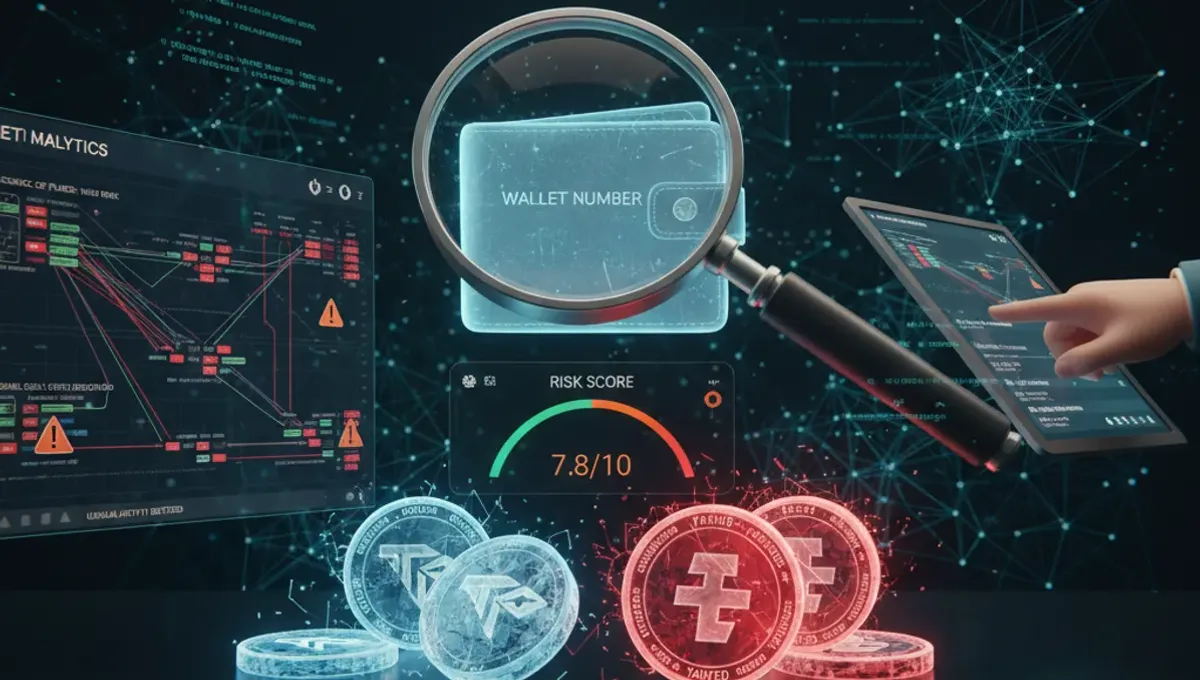
A crypto wallet ranking is a risk assessment assigned to a blockchain address by blockchain analytics firms. Each wallet receives a score or tier—typically ranging from low risk to high risk—based on its on-chain behavior and transaction patterns. The ranking reflects whether the wallet has interacted with known illicit sources, sanctioned entities, or high-risk services like mixers and gambling platforms. Ranking systems analyze the entire transaction history of an address, tracing funds backward to their origin. If a wallet has received coins from a darknet market or stolen funds, that history persists on the blockchain. Exchanges and compliance teams use these rankings to decide whether to accept deposits, freeze accounts, or flag transactions for review. A wallet's ranking is not permanent; it changes as new transactions occur and as blockchain analytics improve their detection methods.
How Does Crypto Wallet Screening and Risk Scoring Work?
Crypto wallet screening uses blockchain analytics to assign a risk score to an address. The process works in several steps: first, the analytics engine traces all incoming and outgoing transactions from the wallet. Second, it identifies the sources of funds—whether they came from exchanges, peer-to-peer transfers, or known illicit services. Third, it checks the wallet against sanctions lists and known criminal addresses. Fourth, it assigns a numerical score or categorical rating (low, medium, high, critical). The score reflects the probability that the wallet contains tainted coins or is controlled by a sanctioned entity. Risk scoring also considers the age of the wallet, transaction frequency, and whether it has interacted with high-risk counterparties. Some services provide detailed breakdowns showing which specific transactions or counterparties triggered a higher risk rating. The scoring methodology varies between providers, but all legitimate services base rankings on verifiable on-chain data, not speculation.
What Do Crypto Wallet Risk Score Levels Mean?
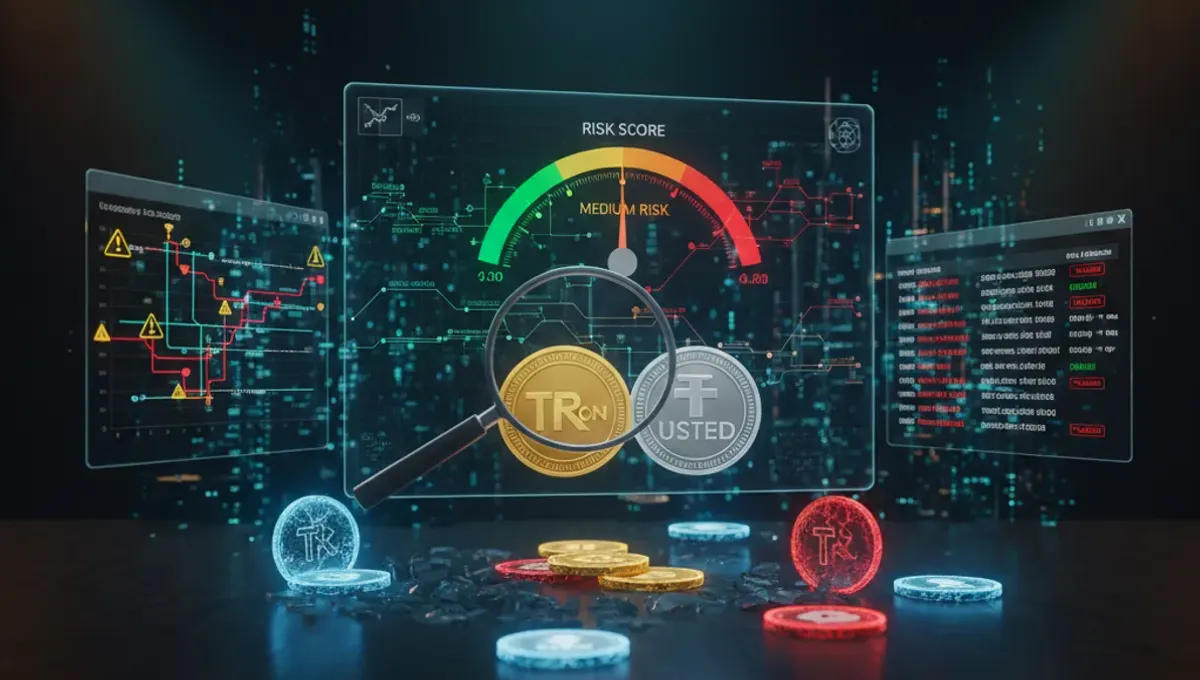
Risk score levels typically fall into four or five tiers, each with different implications for acceptance and compliance. A low-risk wallet has clean transaction history with no known illicit exposure; these are generally safe to accept. A medium-risk wallet may have minor exposure to high-risk services or unclear transaction origins, but no direct criminal links; many exchanges accept these with monitoring. A high-risk wallet shows clear patterns of interaction with mixers, darknet markets, or sanctioned entities; most exchanges will freeze or reject deposits from these addresses. A critical-risk wallet is flagged for direct involvement in theft, ransomware, or sanctions violations; these are typically blocked immediately. Some services also assign a percentage score (0–100) rather than tiers, where 0 is clean and 100 is maximum risk. The specific thresholds vary by jurisdiction and by each exchange's compliance policy. Understanding these levels helps you decide whether to proceed with a transaction or escalate it for manual review.
How to Check a Crypto Wallet Before Receiving Funds
Before accepting cryptocurrency, follow these steps to screen a wallet: First, obtain the full wallet address (Bitcoin, Ethereum, Tron, or other chain). Second, visit a trusted AML screening service—our curated list of verified AML services on this site provides access to the most reliable tools. Third, paste the address into the screening tool and run the check. Fourth, review the risk score and detailed report, which should show the wallet's transaction history, known counterparties, and any flags. Fifth, check the specific risk categories: does the wallet have exposure to mixers, darknet markets, scams, or sanctions lists. Sixth, decide whether the risk level is acceptable for your use case. If the score is low or medium and your compliance policy allows it, you can proceed. If the score is high or critical, reject the transaction or escalate to your compliance team. Document the screening result for your records. This process takes minutes and can prevent significant compliance violations and financial loss.
Why Crypto Wallet Ranking Matters for Compliance
Wallet ranking directly impacts your regulatory obligations and operational security. Exchanges and custodians are required by law in most jurisdictions to perform Know Your Transaction (KYT) screening on incoming funds. Accepting high-risk or tainted coins can result in frozen accounts, transaction reversals, and regulatory penalties. If you receive stolen USDT or Bitcoin linked to ransomware, exchanges may freeze your account pending investigation. Sanctions violations carry severe penalties, including account closure and potential legal action. Wallet ranking also protects you from reputational damage; if your business is associated with illicit funds, customers and partners may lose trust. For businesses handling cryptocurrency, screening wallets is not optional—it is a core compliance requirement. Even for individual users, checking wallet rankings before large transactions reduces the risk of receiving coins that exchanges will later reject or freeze. The cost of screening is negligible compared to the cost of compliance failures.
Common Risk Categories in Wallet Screening
Blockchain analytics identify several specific risk categories that affect wallet ranking. Mixer exposure indicates the wallet has sent funds through privacy mixers, which obscure transaction origins. Darknet market exposure means the wallet has received funds from or sent funds to known darknet marketplaces. Stolen funds flags indicate the wallet received coins from confirmed theft or hacking incidents. Ransomware exposure shows the wallet has interacted with addresses linked to ransomware payments. Sanctioned entity exposure means the wallet is controlled by or has received funds from individuals or organizations on government sanctions lists. Gambling platform exposure indicates high-frequency transactions with known gambling services. Scam exposure flags wallets that have received funds from confirmed Ponzi schemes or investment fraud. Each category carries different risk levels; for example, sanctioned entity exposure is typically critical risk, while gambling exposure might be medium risk depending on jurisdiction. Understanding these categories helps you assess whether a wallet's risk is acceptable for your specific compliance requirements.
Comparing Crypto Wallet Screening Services
Multiple blockchain analytics providers offer wallet screening and ranking services, each with different coverage, speed, and pricing. When choosing a service, verify that it covers the blockchain you need (Bitcoin, Ethereum, Tron, etc.), provides detailed risk reports, and updates its data regularly. Check whether the service includes sanctions list screening and darknet market detection. Some services offer free basic checks with limited detail; others require subscription for full reports. Our verified AML services list on this site curates trusted providers that meet industry standards for accuracy and compliance. Before committing to a service, test it with a known high-risk address to verify it detects illicit exposure. Ensure the service provides clear documentation of its methodology so you can explain your screening process to regulators. Compare turnaround time—some services provide instant results, while others may take hours. For businesses processing high transaction volumes, consider services with API access for automated screening. The most important factor is reliability; a cheap service that misses illicit exposure is far more costly than a reputable paid service.
Frequently asked questions
What is a good crypto wallet risk score?
A low-risk score (typically 0–20 on a 0–100 scale or 'low' tier) indicates a clean wallet with no known illicit exposure. Most exchanges accept low-risk wallets without additional scrutiny. Medium-risk scores (20–50) may have minor exposure but are often acceptable with monitoring. High-risk scores (50–80) suggest clear illicit exposure and are typically rejected. Critical scores (80–100) are blocked immediately. Your acceptable threshold depends on your compliance policy and jurisdiction.
Can a wallet's ranking change over time?
Yes. A wallet's ranking can change as new transactions occur and as blockchain analytics update their detection methods. If a previously clean wallet receives funds from a sanctioned entity, its score will increase. Conversely, if a wallet has no new activity for an extended period, its risk may decrease. Always re-screen a wallet if significant time has passed since your last check or if you have concerns about recent activity.
What happens if I receive tainted coins?
If you receive tainted coins flagged as stolen or sanctioned, exchanges may freeze your account pending investigation. You may be unable to withdraw or trade the funds. In severe cases, you could face regulatory penalties or legal action. The best approach is to screen wallets before accepting funds and reject high-risk transactions. If you accidentally receive tainted coins, contact your exchange's compliance team immediately and document the incident.
Do all blockchains have wallet ranking systems?
Most major blockchains (Bitcoin, Ethereum, Tron) have established ranking systems because they have sufficient transaction volume and analytics coverage. Smaller or newer blockchains may have limited screening options. Always verify that your chosen screening service covers the specific blockchain and token you are checking. Bitcoin and Ethereum have the most mature and widely-used ranking systems.
Is wallet screening required by law?
In most jurisdictions, exchanges and custodians are legally required to perform Know Your Transaction (KYT) screening on incoming funds. Individual users are not always legally required to screen, but doing so protects you from compliance violations and frozen accounts. Businesses handling cryptocurrency should treat wallet screening as mandatory, not optional. Check your local regulations for specific requirements.