What Does a Crypto Wallet Near Me Mean?
A crypto wallet near you can refer to several types of services: a local cryptocurrency exchange with a physical office, a Bitcoin or Tron ATM in your area, a custodial wallet offered by a bank or fintech company, or a peer-to-peer meetup point where users exchange coins. Each option has different security and compliance standards. Exchanges and custodial services are required by law in most jurisdictions to perform KYC (know-your-customer) checks and AML screening. ATMs and peer-to-peer transactions may have weaker controls. When choosing a local wallet service, verify that it screens incoming funds for tainted coins, maintains updated sanctions lists, and can explain its risk scoring methodology. A crypto wallet explained in compliance terms means it tracks the source and history of every coin, flags suspicious activity, and prevents you from receiving stolen or sanctioned assets.
How Do Crypto Wallet Fees Work?
Crypto wallet fees vary by service type and location. Exchange wallets typically charge a percentage of each transaction (often 0.5% to 2%), plus network fees for blockchain confirmation. Custodial wallets may charge monthly subscription fees or flat per-transaction rates. ATMs usually take 5% to 10% of the transaction value. Peer-to-peer wallets may have no fees but carry higher risk of receiving tainted coins. AML screening itself is not a separate line-item fee for most consumer wallets, but it is built into the service cost. Some services offer tiered pricing: basic wallets with limited screening cost less, while premium wallets with full blockchain analytics and sanctions checking cost more. Before selecting a wallet, compare crypto wallet fees across local providers and ask whether their AML checks are included or optional. Understanding the fee structure helps you avoid hidden costs and ensures you're getting adequate compliance protection for your money.
What Is a Crypto Wallet Number and Risk Score?
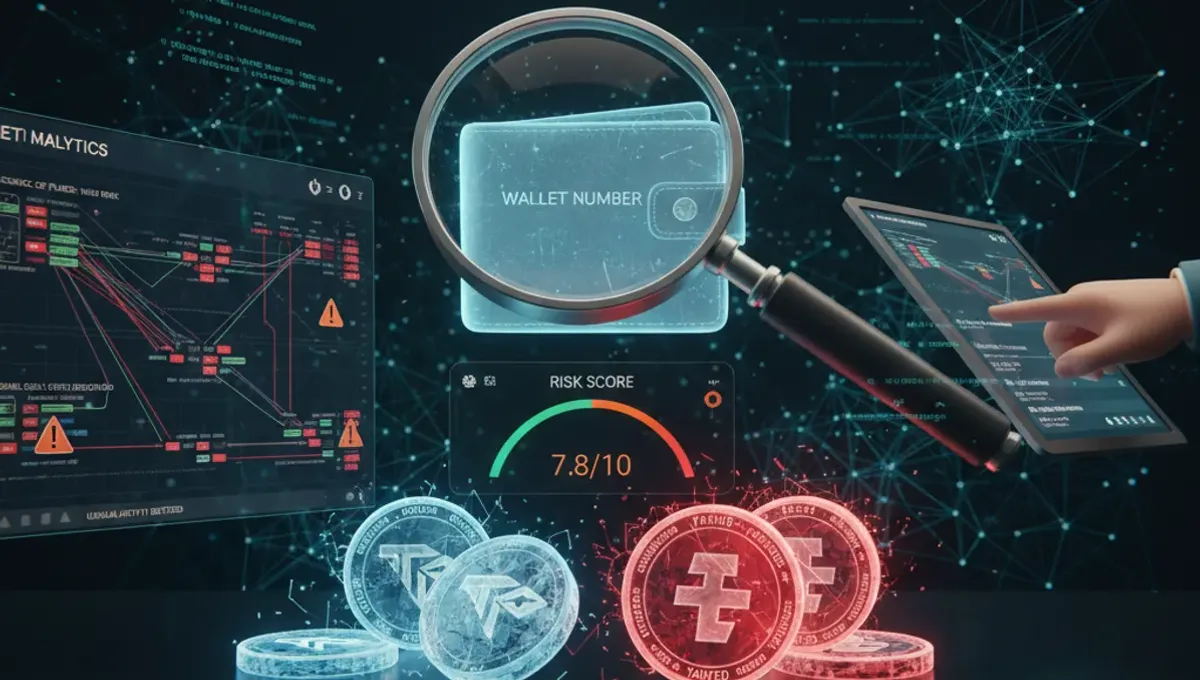
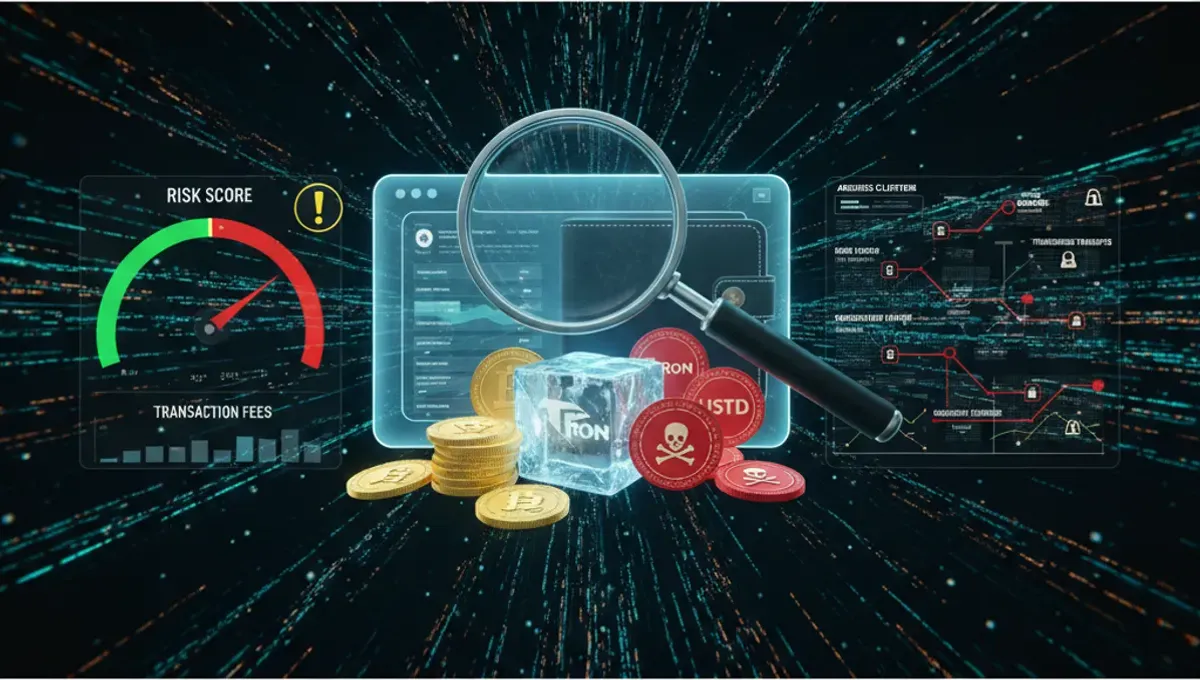
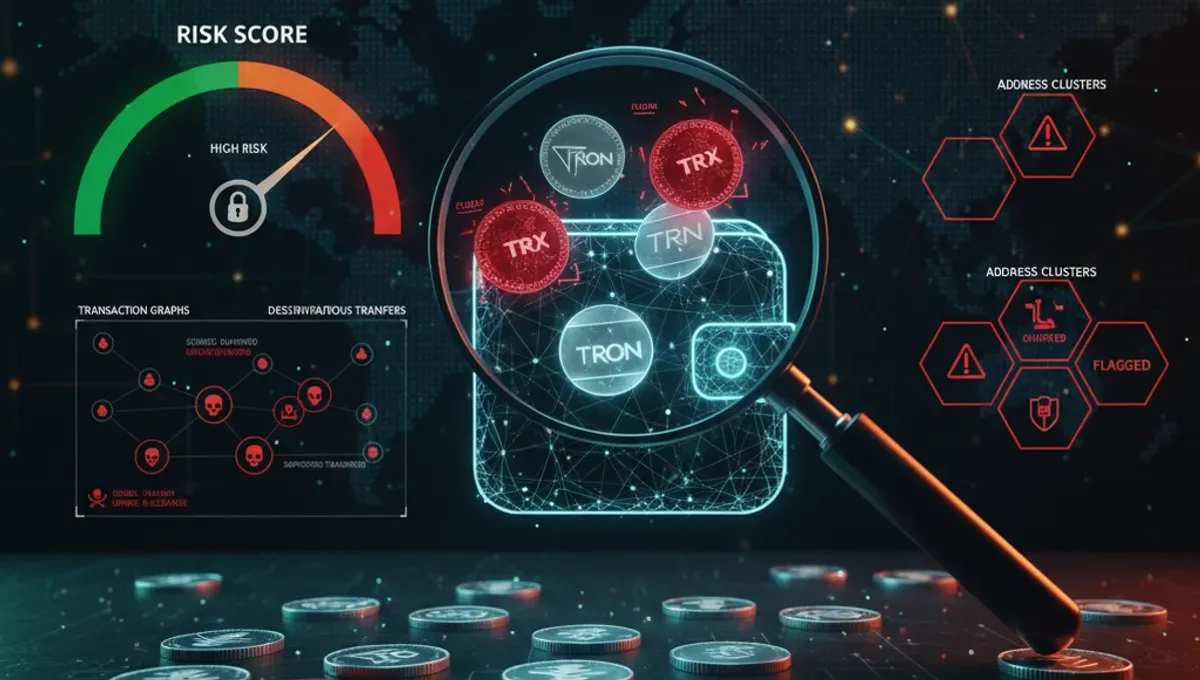
A crypto wallet number is the unique identifier for your account at a wallet service—similar to an account number at a bank. For blockchain-based wallets, it's your public address (a long string of characters). A risk score is a numerical rating assigned to a wallet or transaction based on its history and sources. Risk scores typically range from 0 (clean, no red flags) to 100 (high risk, likely tainted). Scores are calculated by analyzing whether coins came from mixers, darknet markets, scams, stolen funds, sanctioned entities, or gambling platforms. A wallet with a risk score above 50 is generally considered high-risk and may be rejected by exchanges or flagged for manual review. A score between 20 and 50 indicates medium risk, often requiring additional documentation. Below 20 is typically acceptable for most transactions. When you receive funds, ask the sender for their wallet's risk score or run an AML check yourself through a trusted service. This prevents you from unknowingly holding dirty crypto that could get your account frozen.
How to Check a Wallet Before Receiving Funds
Follow these steps to screen a wallet for tainted coins and compliance risk:
- Obtain the sender's wallet address (Bitcoin, Tron, Ethereum, or other blockchain).
- Visit a trusted AML screening service (our curated AML Services page lists verified providers).
- Enter the wallet address into the service's checker tool.
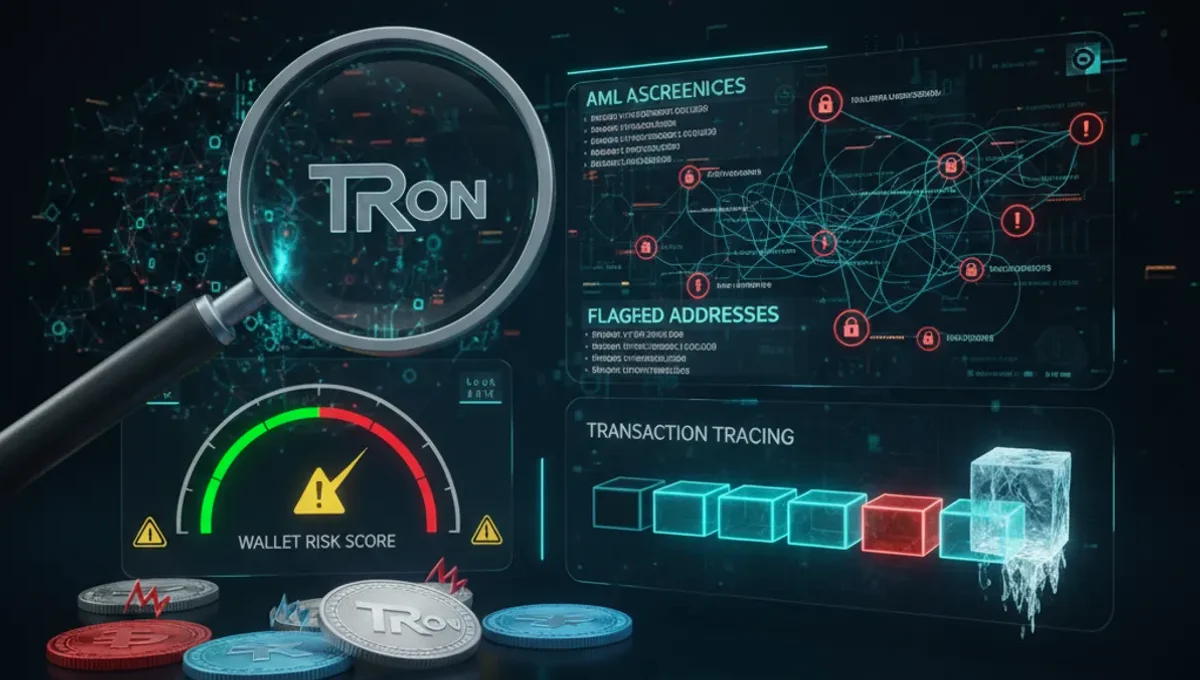
- Review the risk score and any flagged sources (mixers, darknet, sanctions, theft).
- Check the transaction history for patterns of suspicious activity.
- If the risk score is below 20 and no major red flags appear, the wallet is generally safe.
- If the score is above 50 or linked to darknet markets or sanctioned entities, decline the transaction.
- Document the screening result for your records in case of regulatory inquiries.
Many local exchanges and custodial wallets perform this check automatically before crediting your account. However, if you're receiving funds via peer-to-peer transfer or from a less regulated service, running your own AML check is essential. This protects you from receiving frozen USDT, stolen coins, or assets linked to sanctions violations that could trigger account bans or legal complications.
Crypto Wallet Ranking: What Makes a Service Trustworthy?
A crypto wallet ranking should reflect its compliance standards, fee transparency, and AML screening depth. Top-ranked services typically:
- Perform real-time blockchain analytics on all incoming and outgoing transactions.
- Maintain updated sanctions lists (OFAC, EU, UN) and cross-reference them against wallet activity.
- Provide clear risk scores and explanations for flagged transactions.
- Offer customer support to dispute false positives.
- Are regulated by financial authorities in their jurisdiction.
- Publish transparency reports on compliance practices.
- Use established KYT (Know-Your-Transaction) providers for screening.
When evaluating a local wallet service, ask whether it uses third-party AML screening or relies on internal tools. Third-party providers (listed on our AML Services page) are often more reliable because they maintain larger databases of known risk sources. Check whether the service freezes funds automatically if a risk score exceeds a threshold, or if it flags them for manual review. Avoid services that claim to offer "anonymous" wallets or skip AML checks entirely—these are red flags for regulatory violations and increase your personal risk. Ranking a wallet by its compliance rigor, not just speed or low fees, protects your funds and your reputation.
What Happens If Your Wallet Is Flagged as High-Risk?
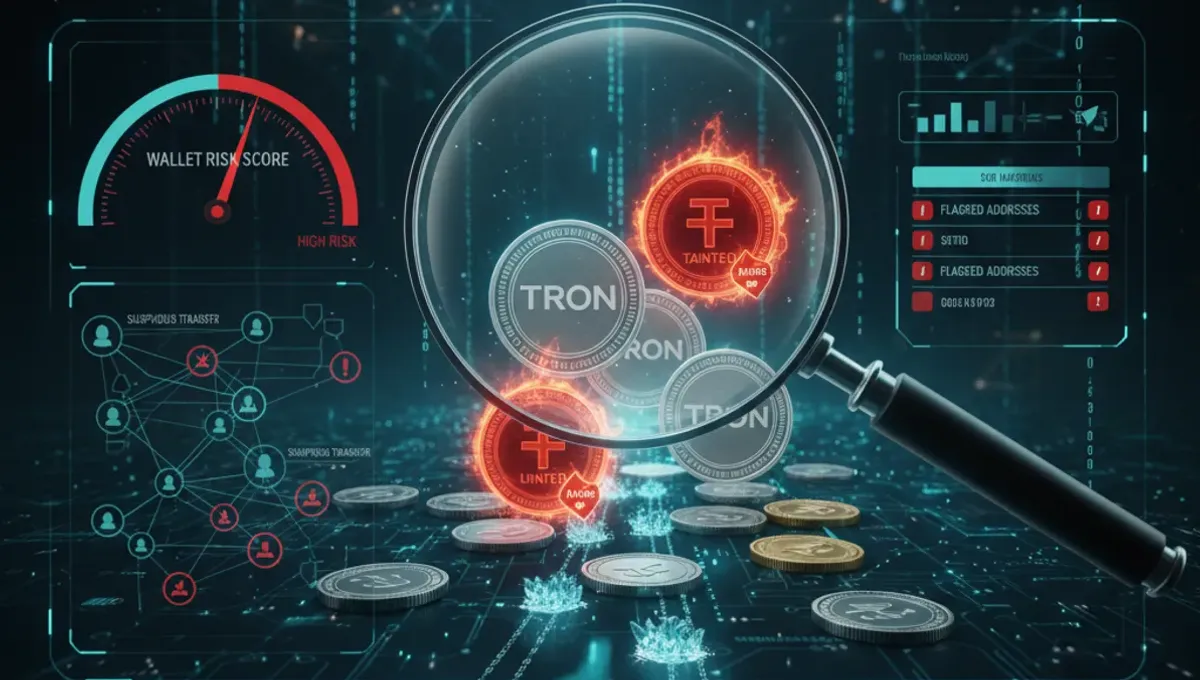
If your wallet receives a high risk score or is flagged during an AML check, several outcomes are possible. Your exchange or custodial service may freeze the funds temporarily pending manual review. You may be asked to provide proof of the source of the funds (invoice, employment contract, inheritance document). If the coins are linked to theft, sanctions, or darknet activity, your account may be permanently closed and the funds forfeited to authorities. Frozen USDT or other stablecoins are particularly common when AML systems detect suspicious patterns. If you believe the flag is a false positive (for example, you received coins from a legitimate peer who had a high-risk score for unrelated reasons), contact your wallet provider's compliance team with documentation. Some services allow you to dispute the risk score. However, if the coins are genuinely tainted, no dispute will reverse the freeze. The best defense is to screen wallets before receiving funds and to maintain clear records of all transactions. This is why running an AML check through a trusted service before accepting large transfers is critical.
Finding a Local Wallet Service with Proper AML Screening
To find a crypto wallet near you with legitimate AML screening, start by searching for regulated exchanges or ATMs in your area. Check whether the service is licensed by your country's financial regulator (SEC, FCA, FinCEN, etc.). Read reviews and verify that users report successful AML checks and transparent fee structures. Ask the service directly about its screening process: Does it use a third-party AML provider? What risk score threshold triggers a freeze? How quickly does it resolve flagged transactions? Visit our curated AML Services page to see which screening providers are trusted and widely used by legitimate wallets. Many local exchanges partner with these providers, so familiarity with them helps you evaluate service quality. Avoid services that cannot explain their AML process or that offer unusually low fees—these often cut corners on compliance. When you've narrowed your choices, test the service with a small transaction before moving larger amounts. This lets you verify that AML checks work as advertised and that customer support is responsive. A local wallet with strong AML screening costs slightly more but protects you from frozen funds, account bans, and legal liability.
Frequently asked questions
Can I find a crypto wallet ATM near me?
Yes, many cities have Bitcoin and Tron ATMs operated by licensed providers. Search online for "crypto ATM near me" or check ATM locator maps on major exchange websites. Most ATMs require KYC verification and perform AML screening on transactions. Fees are typically 5% to 10% of the transaction value. Verify the operator is regulated before using it.
What is a good risk score for a crypto wallet?
A risk score below 20 is generally considered clean and acceptable for most transactions. Scores between 20 and 50 indicate medium risk and may require additional documentation. Above 50 is high-risk and often triggers account freezes or rejection by exchanges. Always check the risk score before receiving large transfers to avoid frozen funds.
How do I know if a wallet has tainted coins?
Run the wallet address through an AML screening service (available on our curated AML Services page). The tool will flag coins linked to mixers, darknet markets, theft, scams, sanctions, or gambling. If flagged, ask the sender for documentation of the source. Legitimate senders can usually provide proof of where the coins originated.
Do local exchanges charge extra for AML checks?
Most local exchanges include AML screening in their standard transaction fees (typically 0.5% to 2%). Some premium services offer enhanced screening for an additional fee. Ask the exchange whether AML checks are included or optional. Avoid services that claim to skip AML checks—they are likely unregulated and risky.
What should I do if my wallet is frozen after an AML check?
Contact your wallet provider's compliance team immediately. Provide documentation of the source of the funds (invoice, employment letter, etc.). If the freeze is a false positive, the team can review and potentially release the funds. If the coins are genuinely tainted, the freeze is permanent and funds may be forfeited to authorities.