What Factors Influence TRON's Price Potential
TRON's price trajectory depends on several interconnected variables. Network adoption—measured by active addresses and transaction volume on the Tron blockchain—directly affects demand for TRX. Institutional interest, regulatory clarity in major markets, and competition from other smart-contract platforms all shape long-term viability. Macroeconomic conditions, including Bitcoin and Ethereum price movements, typically correlate with altcoin performance. Historical price cycles show TRON has reached highs during bull markets but also experienced sharp corrections. No analyst can predict with certainty whether TRON will reach $1, as crypto markets remain volatile and sentiment-driven. What matters for your holdings is not just price, but also ensuring your TRX and wallet counterparties remain compliant and free from tainted coin exposure.
How to Check Your TRON Address for Compliance Risk
Before receiving or holding TRX, verify your TRON address is not flagged for high-risk activity. Start by using a blockchain explorer to review your transaction history—look for incoming transfers from known mixers, darknet markets, or sanctioned entities. Next, run an AML check on your address through a trusted compliance service. These services scan your wallet against sanctions lists, stolen-fund databases, and behavioral risk indicators. When you check a TRON address, the service returns a risk score: low-risk addresses show minimal exposure; medium-risk may indicate some mixer interaction or unverified sources; high-risk flags suggest direct darknet or theft links. Exchange platforms often run these checks automatically and may freeze accounts or reject deposits if your address scores too high. Using a verified AML service from our curated list ensures your check meets institutional compliance standards.
Understanding TRON Address Risk Scores and What They Mean
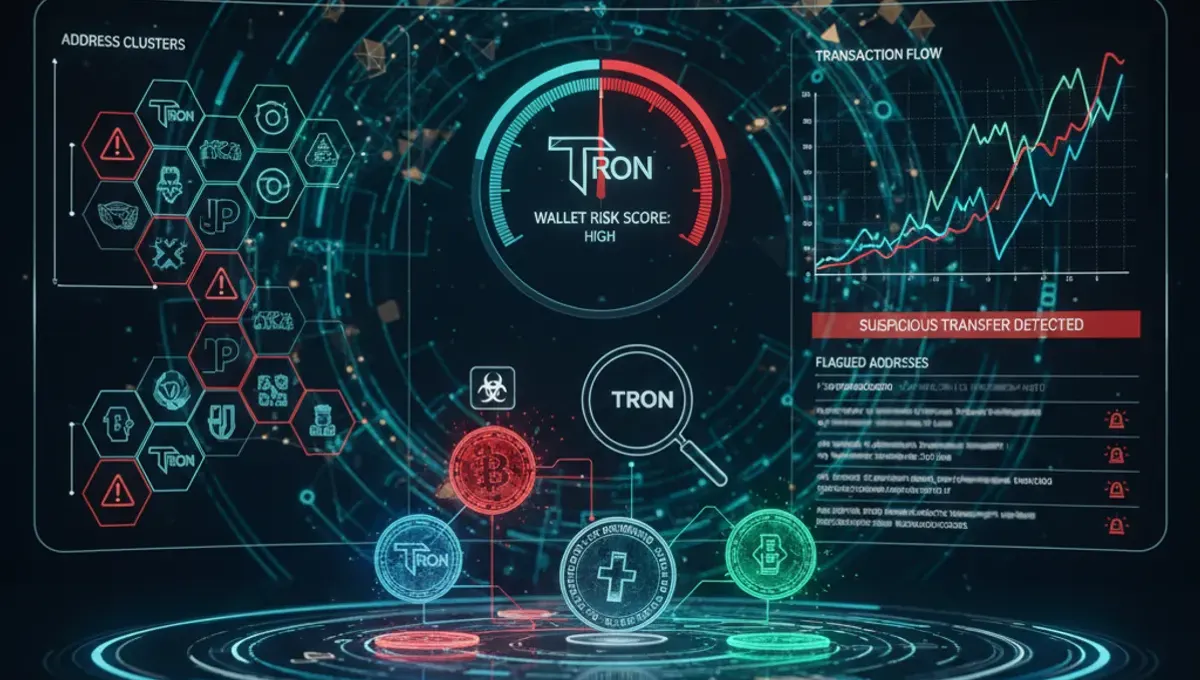
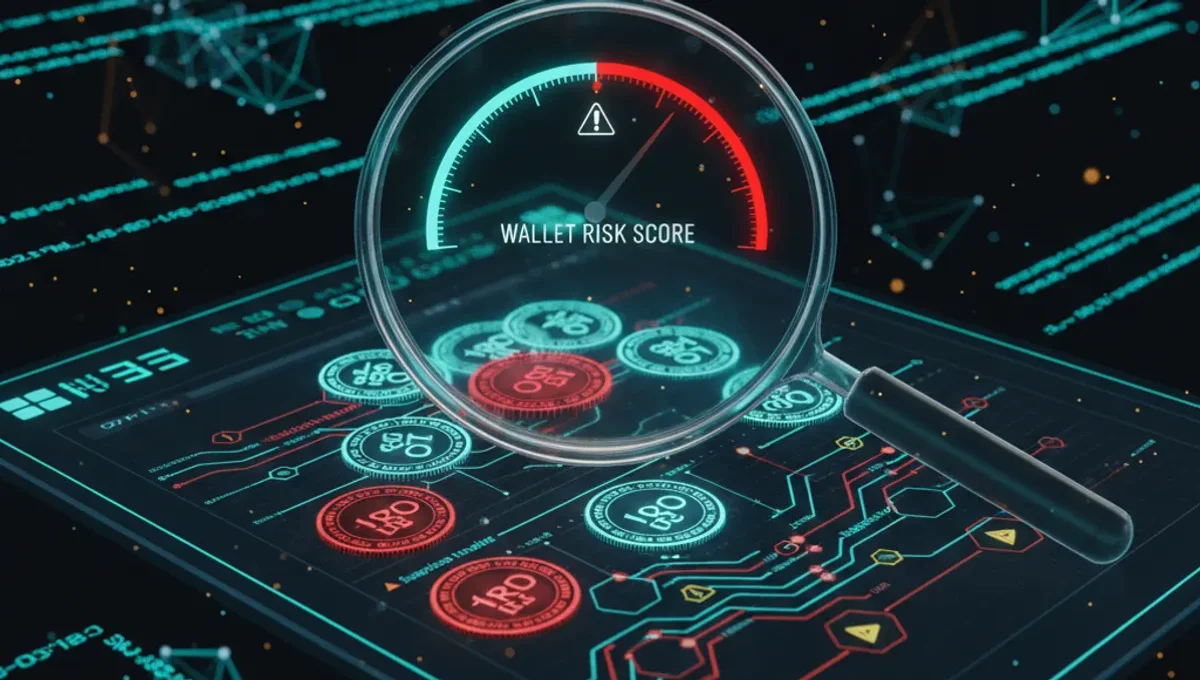
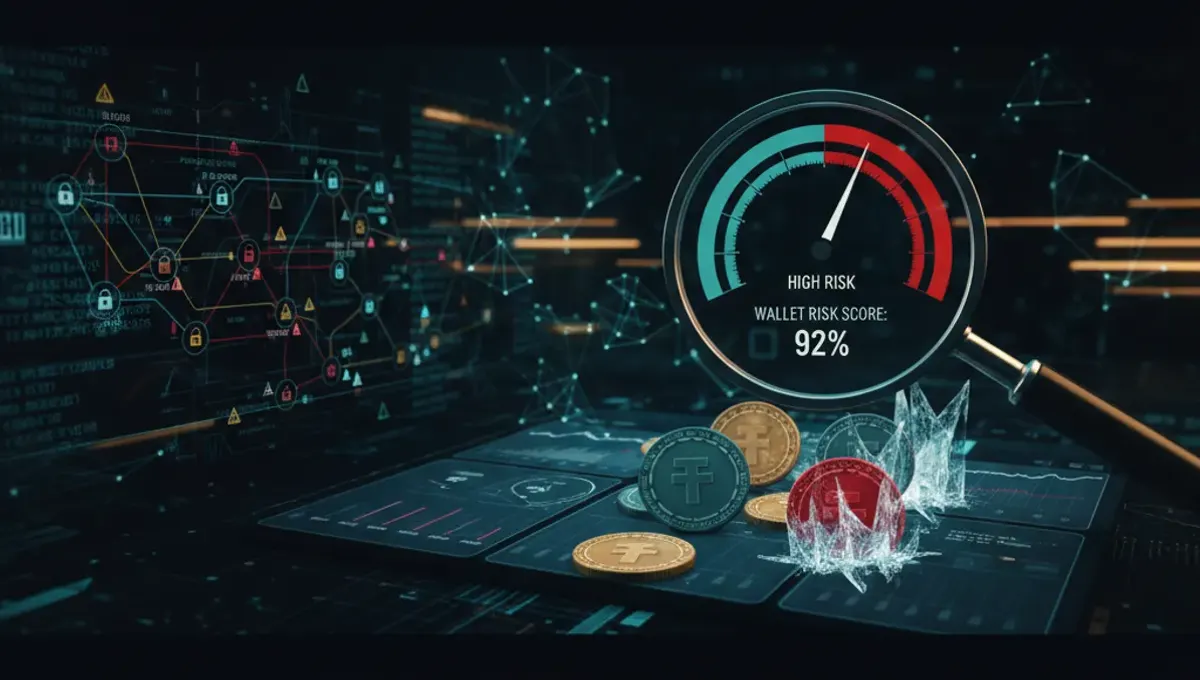
A TRON address risk score quantifies exposure to illicit or high-risk activity. Low-risk (0–20%) indicates clean transaction history with no known darknet, mixer, or sanctions exposure. Medium-risk (21–50%) suggests some interaction with unverified sources or minor mixer activity but no direct criminal links. High-risk (51–100%) flags direct exposure to stolen funds, darknet markets, scams, gambling platforms, or sanctioned entities. Risk scores are calculated by analyzing the entire transaction chain—not just your wallet, but also the wallets that sent to you and those you've sent to. A single incoming transfer from a compromised address can elevate your score. Exchanges use these thresholds to decide whether to accept deposits: most accept low-risk, some tolerate medium-risk with warnings, and nearly all reject high-risk addresses. Before receiving TRX from any counterparty, check their TRON address to avoid inheriting their risk.
How to Check a TRON Transaction for Tainted Coins
To check a TRON transaction, start with the transaction hash (TX ID) on a blockchain explorer like Tronscan. Verify the sender and receiver addresses, the amount, and the timestamp. Then, run an AML check on both the sender and receiver addresses to assess whether the transaction involves tainted coins. Tainted coins originate from theft, ransomware, scams, or darknet markets. If you receive TRX from an address flagged as tainted, your wallet inherits that risk—exchanges may freeze your account or reject your withdrawal. Steps to verify transaction safety:
- Obtain the TX ID from your wallet or email confirmation.
- Search the TX ID on Tronscan to view full details.
- Copy the sender address and run it through an AML check service.
- Review the risk score and any flagged sources.
- If tainted, contact the sender and request a replacement transfer from a clean address. Using a service from our AML Services page ensures your transaction check meets compliance standards.
What Happens When TRON Addresses Are Flagged as High-Risk
When a TRON address is flagged as high-risk, several consequences follow. Exchanges may freeze your account pending investigation, preventing you from withdrawing or trading. Deposits from flagged addresses are often rejected outright. If you've already deposited high-risk TRX, the exchange may quarantine those funds while compliance teams review the transaction history. In severe cases—such as direct theft or sanctions exposure—exchanges permanently ban the account and report it to authorities. Your bank may also flag incoming transfers from crypto exchanges if those exchanges received high-risk deposits from you. To avoid this scenario, always check your TRON address and incoming transfers before depositing to an exchange. If your address is already flagged, contact the exchange's compliance team with documentation of the source of your TRX. Some exchanges allow appeals if you can prove the tainted coins were received unknowingly and have since been transferred out.
Best Practices for Receiving Safe TRON and Avoiding Tainted Coins
Protect yourself by verifying every significant TRX transfer before accepting it. Request the sender's TRON address and run an AML check before the transfer occurs. If the sender's address scores high-risk, ask them to send from a different wallet or decline the transfer. When receiving TRX from exchanges or services, verify those entities are regulated and compliant. Use hardware wallets for long-term storage to isolate your holdings from exchange risk. Regularly audit your wallet's transaction history on Tronscan to spot any unexpected or suspicious incoming transfers. If you receive tainted TRX unknowingly, move it to a separate address and do not deposit it to an exchange—instead, contact a compliance specialist. Never use mixers or tumblers to obscure transaction history; doing so flags your address as high-risk and may trigger legal scrutiny. The safest approach is to maintain a clean transaction history from the start and verify all counterparties through trusted AML services.
TRON Price Predictions and Compliance: Why Both Matter
Speculating on whether TRON will reach $1 is tempting, but price predictions are inherently uncertain and should not drive your security practices. Even if TRON's price rises significantly, your ability to sell or transfer those coins depends on your wallet's compliance status. A high-risk address cannot access most exchanges, regardless of market price. Conversely, a clean, low-risk address gives you maximum flexibility to trade, transfer, or hold across platforms. Before committing capital to TRON, ensure your wallet and all incoming transfers pass AML checks. Use services from our verified AML Services page to establish a baseline risk profile for your address. Monitor your transaction history regularly and avoid accepting TRX from unknown or unverified sources. This approach protects your investment from compliance freezes and ensures you can liquidate or transfer your holdings whenever you choose, independent of price movements.
Frequently asked questions
Can I check if my TRON address is flagged as high-risk?
Yes. Use a blockchain explorer like Tronscan to view your transaction history, then run your address through an AML check service. These services scan your wallet against sanctions lists and theft databases and return a risk score. Low-risk addresses show minimal exposure; high-risk flags suggest darknet or theft links. Services on our AML Services page provide institutional-grade checks.
What does it mean if I receive tainted TRX?
Tainted TRX originates from theft, scams, or darknet markets. If you receive it, your address inherits that risk. Exchanges may freeze your account or reject deposits. Do not deposit tainted TRX to an exchange. Instead, move it to a separate wallet and contact a compliance specialist. Verify all incoming transfers before accepting them.
How do I check a TRON transaction before it completes?
Ask the sender for their TRON address and run an AML check on it before accepting the transfer. Use Tronscan to verify the address is legitimate. If the sender's address scores high-risk, decline the transfer or request they send from a different wallet. Always verify counterparties through trusted AML services.
Will TRON's price reach $1 if my wallet is flagged?
Price predictions are uncertain, but even if TRON reaches $1, a flagged address cannot access most exchanges to sell. Compliance status matters more than price. Maintain a clean wallet through regular AML checks and verified counterparties to ensure you can trade freely, regardless of market movements.
What risk score should I accept before receiving TRX?
Aim for low-risk (0–20%) addresses. Medium-risk (21–50%) may be tolerated but increases freeze risk. High-risk (51–100%) is rejected by most exchanges. Before receiving TRX, check both your address and the sender's address. Use verified AML services to establish baseline risk profiles and monitor regularly.