What Is a Tron Address Check and Why Does It Matter
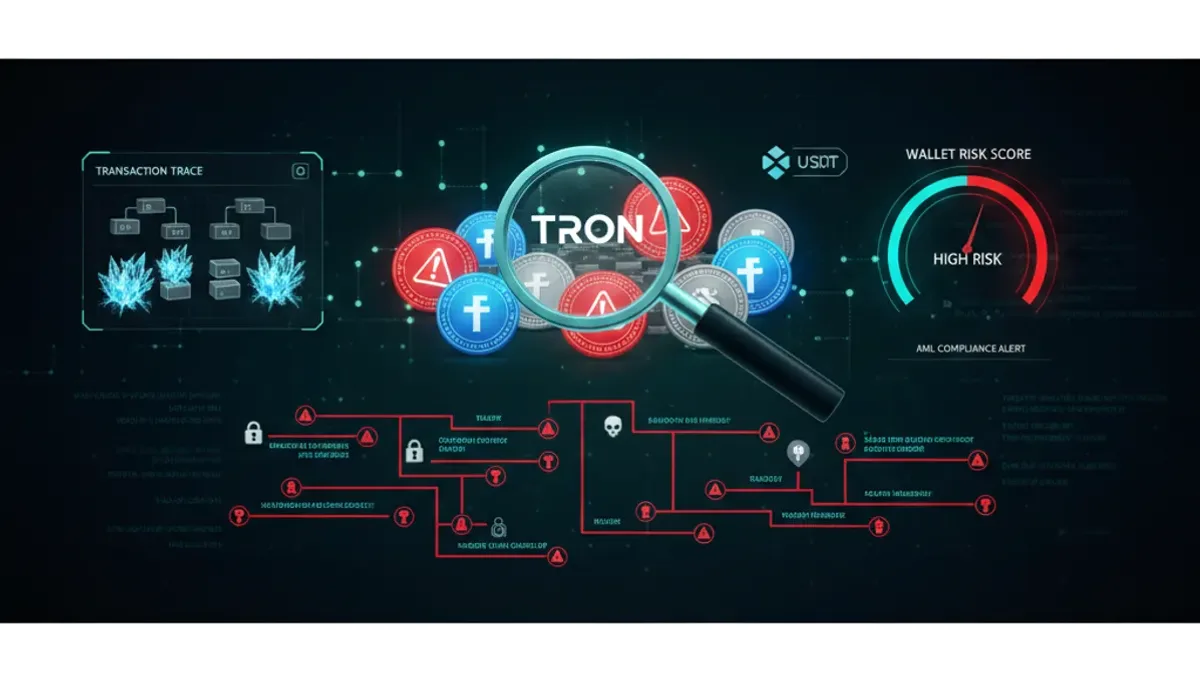
A Tron address check is a blockchain screening that examines the transaction history, counterparties, and risk profile of a TRX or USDT wallet on the Tron network. The check identifies whether coins held or received by that address have been linked to mixers, darknet markets, scams, stolen funds, or sanctioned entities. Exchanges and custodians use AML (anti-money laundering) checks to comply with regulatory requirements and avoid processing tainted coins. If you receive USDT or TRX from a flagged address, your own wallet may be marked as high-risk, leading to frozen funds or account restrictions. A Tron address checker scans the full transaction chain, not just the current balance, so you can make an informed decision before accepting a payment or sending crypto to an unknown wallet.
How AML Risk Scoring Works for Tron Wallets
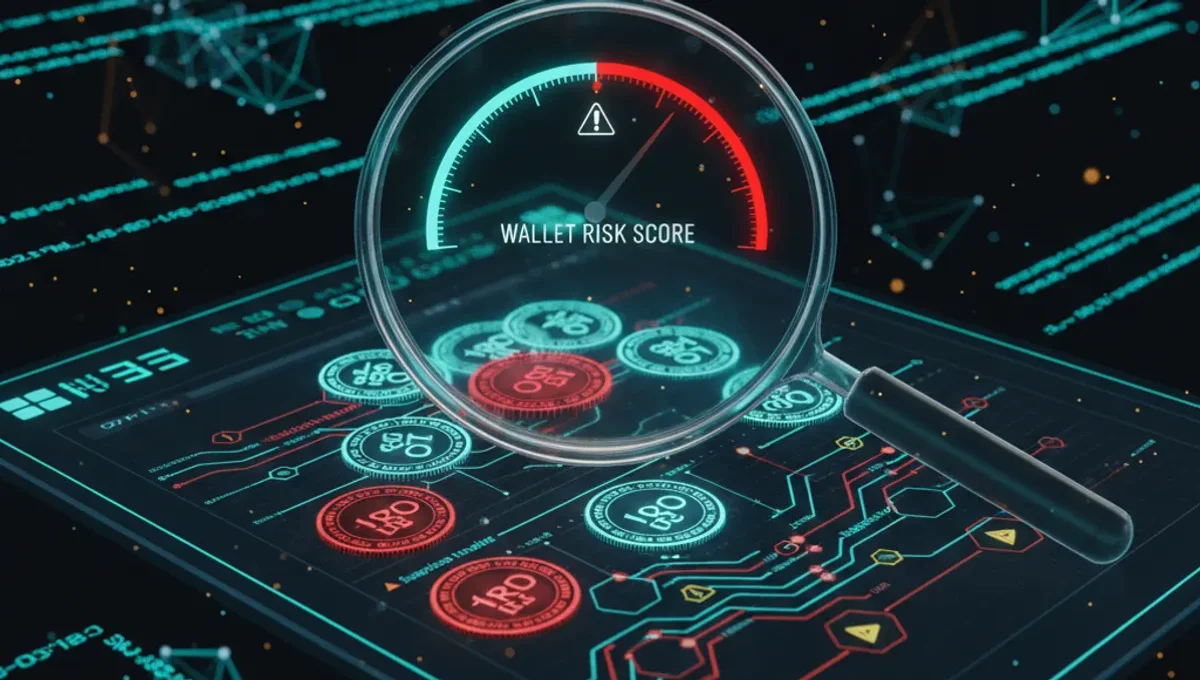
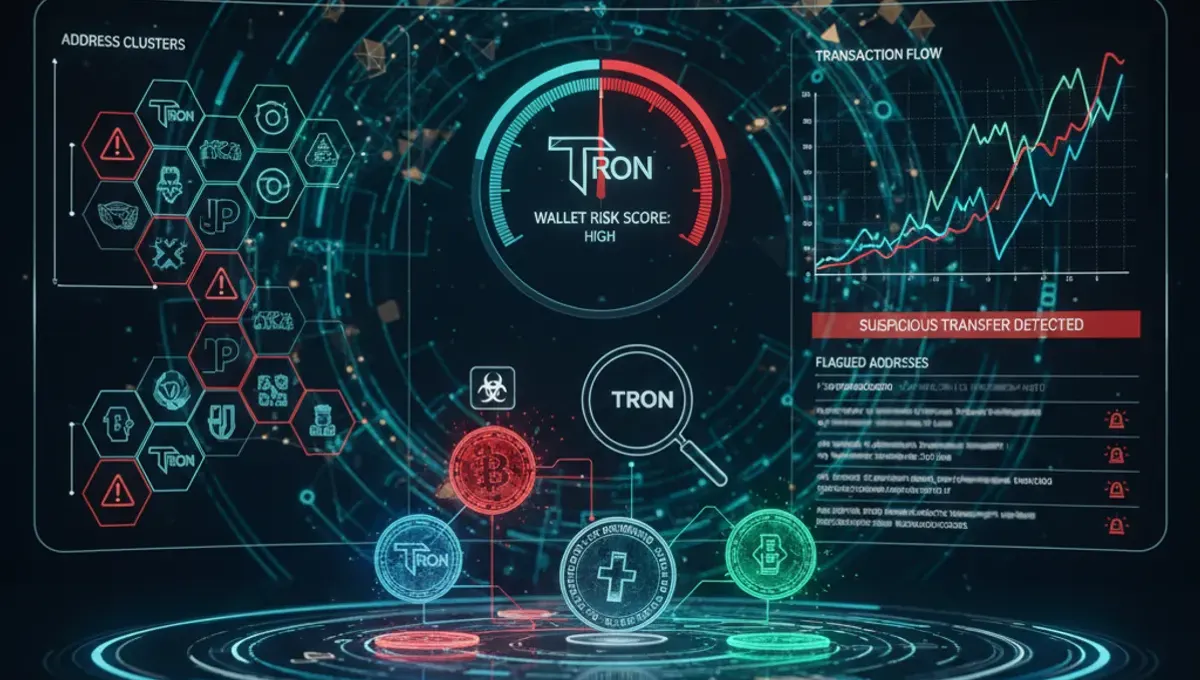
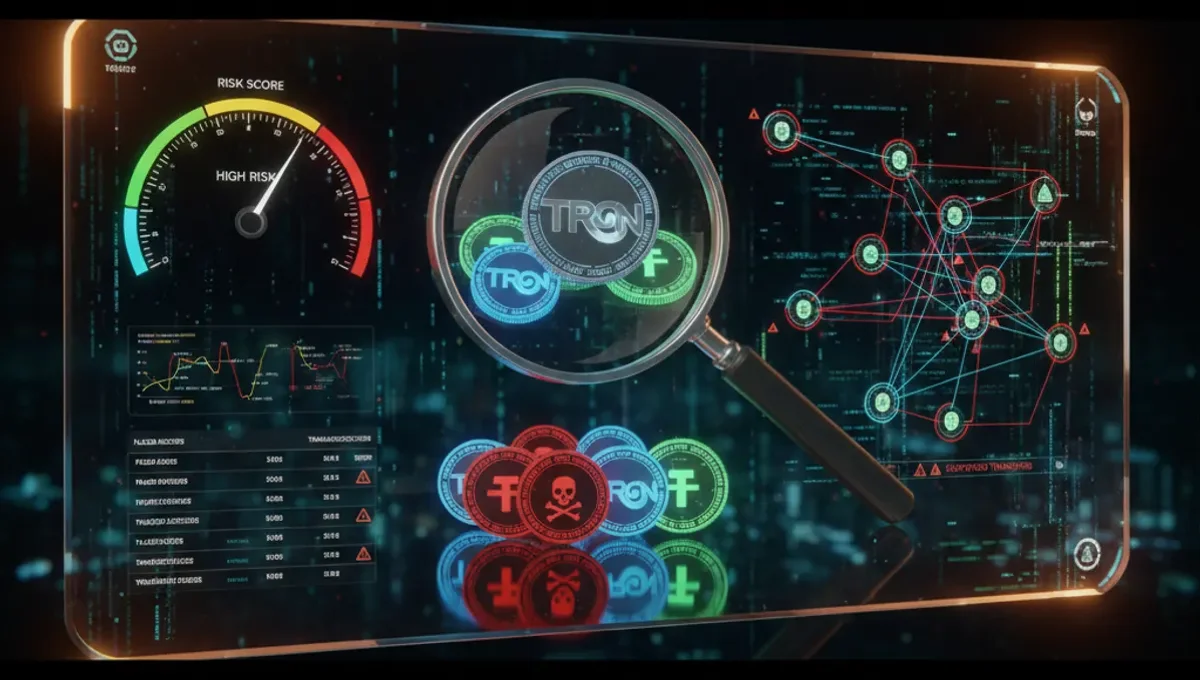
AML risk scoring assigns a numerical or categorical rating to a Tron address based on its transaction history and counterparty exposure. Risk scores typically range from low (clean, minimal exposure to risky sources) to high (direct or indirect links to illicit activity, sanctions lists, or high-risk entities). The scoring model examines several factors: direct transactions with known darknet markets or mixers, receipt of stolen funds flagged in public breach databases, transfers to or from sanctioned addresses, clustering with other high-risk wallets, and transaction patterns consistent with money laundering or evasion. A Tron address lookup may also flag addresses that have interacted with gambling platforms, unregulated exchanges, or entities on OFAC (Office of Foreign Assets Control) lists. Most AML services assign a risk level (low, medium, high, critical) rather than a single score, making it easier to set internal compliance thresholds. Your exchange or custodian may freeze or reject transactions from addresses above a certain risk tier.
Step-by-Step: How to Check a Tron Address Before Receiving Funds
Follow these steps to perform a Tron address check before accepting a payment:
- Obtain the full Tron address (starting with T) or transaction hash from the sender.
- Visit a trusted AML service listed on our curated AML Services page—these tools are verified for accuracy and compliance.
- Paste the Tron address into the search field and initiate the scan.
- Review the risk score and detailed findings: look for flags related to mixers, darknet exposure, sanctions, or stolen funds.
- Check the transaction history summary to see which counterparties the address has interacted with.
- If the risk score is low or acceptable for your compliance policy, proceed with the transaction.
- If the score is high or critical, contact the sender to clarify the source of funds or decline the transfer.
Most Tron address checkers return results in seconds. Document the scan result and timestamp for your compliance records, especially if you are a business or exchange operator. If you are unsure about the risk threshold appropriate for your use case, consult your compliance team or legal advisor.
What Risk Score Levels Mean and Acceptable Thresholds
Risk score levels help you decide whether to accept a transaction or flag it for review. Here is a typical breakdown:
- Low Risk: Minimal or no exposure to illicit sources, sanctioned entities, or high-risk counterparties. Safe to accept for most use cases.
- Medium Risk: Some exposure to risky sources or unregulated platforms, but no direct links to theft, sanctions, or darknet activity. Acceptable for many businesses; review internal policy.
- High Risk: Direct or strong indirect links to mixers, darknet markets, scams, or sanctioned entities. Most exchanges and custodians reject or freeze these transactions.
- Critical Risk: Clear evidence of involvement in theft, sanctions violations, or active money laundering schemes. Do not accept; report to compliance and relevant authorities if required.
Your acceptable threshold depends on your regulatory obligations and risk appetite. Retail users may accept medium-risk transactions; regulated exchanges typically reject anything above low or medium. If you receive USDT or TRX flagged as high-risk, your own wallet may be downgraded or frozen by your exchange. Set a clear internal policy and document all Tron address checks for audit purposes.
Common Risk Flags: Mixers, Darknet, Sanctions, and Stolen Funds
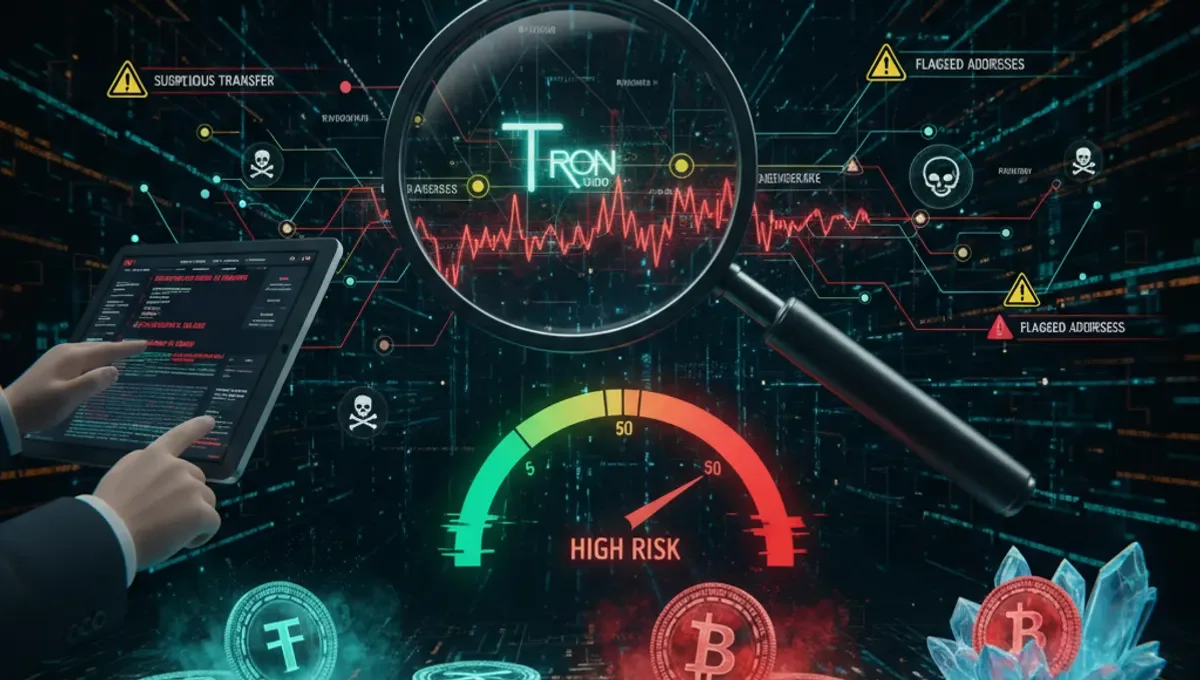
A Tron address check may flag several types of risk. Mixer exposure means the address has sent or received funds through a coin mixer or tumbler, which obscures transaction origins and is often associated with money laundering. Darknet exposure indicates interaction with known darknet market addresses or wallets linked to illegal goods or services. Sanctions flags appear when an address is linked to individuals or entities on OFAC or similar government sanctions lists, making transactions illegal in many jurisdictions. Stolen funds flags occur when coins are traced back to a known theft, hack, or scam and the current holder may not have legitimate claim to them. Gambling exposure shows transfers to or from unregulated gambling platforms, which some compliance frameworks treat as high-risk. Scam exposure links the address to known Ponzi schemes, rug pulls, or fraudulent projects. Each flag has a confidence level; high-confidence flags are more reliable than speculative ones. Review the evidence and source of each flag before making a final decision. Trusted AML services on our verified list provide detailed explanations for every flag they report.
What Happens If Your Tron Address Is Flagged as Dirty Crypto
If your Tron address or wallet is flagged as holding tainted coins, several consequences may follow. Your exchange account may be frozen or restricted, preventing you from withdrawing or trading your funds while the exchange investigates. Your USDT or TRX may be locked in a holding period, sometimes for weeks or months, pending compliance review. You may be asked to provide proof of the source of the funds (source of funds documentation) or explain your transaction history. If you cannot prove legitimate ownership or a clean source, the exchange may permanently close your account and forfeit your balance. In some jurisdictions, holding or transferring stolen or sanctioned crypto is illegal, and you could face legal liability. To avoid this, perform a Tron wallet address check on any large incoming transfer before accepting it. If you have already received flagged funds, contact your exchange's compliance team immediately, provide documentation of your legitimate use, and request a manual review. Do not attempt to move the funds to another exchange, as this may trigger additional flags and worsen your situation.
Comparing AML Check Services: What to Look For
Not all Tron address checkers are equal. When choosing a service, consider these factors: coverage (does it scan Tron, Bitcoin, Ethereum, and other blockchains you use), data sources (does it use multiple sanctions lists, darknet databases, and theft registries), speed (do results return in seconds or minutes), accuracy (are false positives rare and explained clearly), and compliance (is the service audited or certified by regulatory bodies). Some services offer free basic scans with limited detail; others charge per lookup or require a subscription for detailed reports. Free services are useful for occasional checks, but businesses should use paid, verified services that provide detailed evidence and audit trails. Our curated AML Services page lists trusted providers that meet these standards. Avoid services that make vague claims or do not disclose their data sources. Compare a few providers on the same address to cross-check results if you are making a high-value decision. Reputable services will show you exactly which flags apply, the confidence level, and the source of each finding.
Frequently asked questions
How do I check if a Tron address is safe before sending USDT
Use a trusted AML service to scan the Tron address. Paste the address into the checker, review the risk score and flags (mixers, darknet, sanctions, stolen funds), and compare against your compliance threshold. Low-risk addresses are safe; high-risk or critical addresses should be avoided. Services on our AML Services page provide verified, detailed results.
What does a high risk score mean on a Tron address
A high-risk score indicates the address has direct or strong links to illicit activity, mixers, darknet markets, sanctions, or stolen funds. Most exchanges reject high-risk transactions and may freeze your account if you receive flagged USDT or TRX. Do not accept payments from critical-risk addresses unless you have compliance approval and documented justification.
Can I check a Tron address for free
Yes, many AML services offer free basic scans of Tron addresses, though results may be limited. Free checks show risk level and major flags but may lack detailed evidence or historical data. For business or high-value transactions, use a paid verified service that provides full audit trails and compliance documentation.
What happens if I receive USDT from a flagged Tron address
Your exchange may freeze your account or restrict the flagged USDT pending compliance review. You may be asked to prove the source of funds or explain your transaction history. If you cannot provide legitimate justification, your account may be closed and funds forfeited. Always check incoming addresses before accepting large transfers.
How often should I check Tron addresses for AML compliance
Check every Tron address before accepting a significant payment or transfer. If you operate an exchange or custodian, screen all incoming and outgoing transactions automatically. Retail users should check addresses for transfers above a personal threshold (e.g., over 1000 USDT). Document all checks for compliance records and potential audits.