What Is a Tron Address and Why Check It?
A Tron address is a unique identifier on the Tron blockchain, typically a 34-character alphanumeric string starting with 'T'. It functions as a wallet account where TRX tokens and TRC20 assets (like USDT on Tron) are stored and transferred. Checking a Tron address means running it through blockchain analytics to uncover its transaction history, linked counterparties, and risk exposure. You should check a Tron address before receiving large transfers because funds originating from mixers, darknet markets, gambling platforms, or sanctioned entities can be flagged as tainted. If your exchange detects tainted coins in your wallet, it may freeze your account or reject deposits. A Tron wallet address check also protects you from unwittingly receiving stolen funds or assets linked to scams, which can create compliance liability.
How to Perform a Tron Address Lookup in 3 Steps
1. Obtain the Tron address: Copy the full 34-character TRX wallet address from your wallet app, exchange account, or the counterparty sending you funds.
2. Choose an AML screening service: Visit a blockchain analytics platform that supports Tron address checking. Our curated list of verified AML services includes tools specifically designed for TRX and TRC20 asset screening. Select one that offers free or low-cost lookups and covers Tron.
3. Enter the address and review the report: Paste the Tron address into the lookup tool and run the scan. The report will display the wallet's transaction history, linked entities, risk score, and any flags for mixer activity, darknet exposure, sanctions matches, or stolen fund indicators. Review the risk categories and decide whether to proceed with the transaction based on your compliance threshold.
What Do Tron Address Risk Scores Mean?
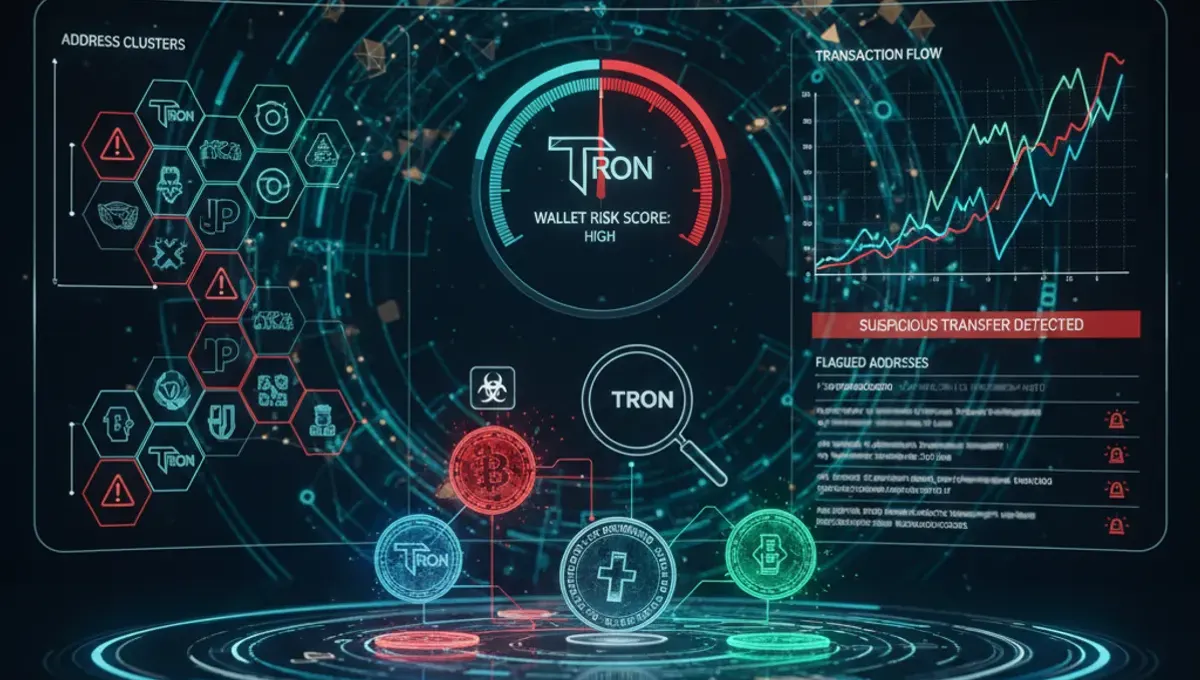
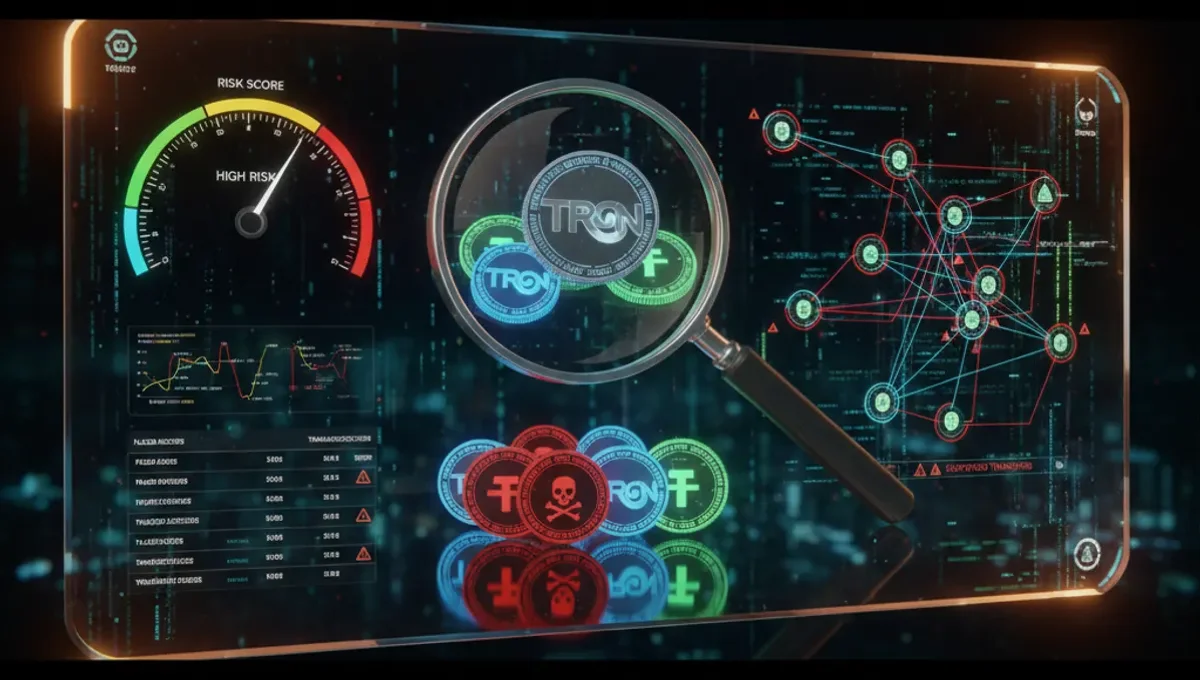
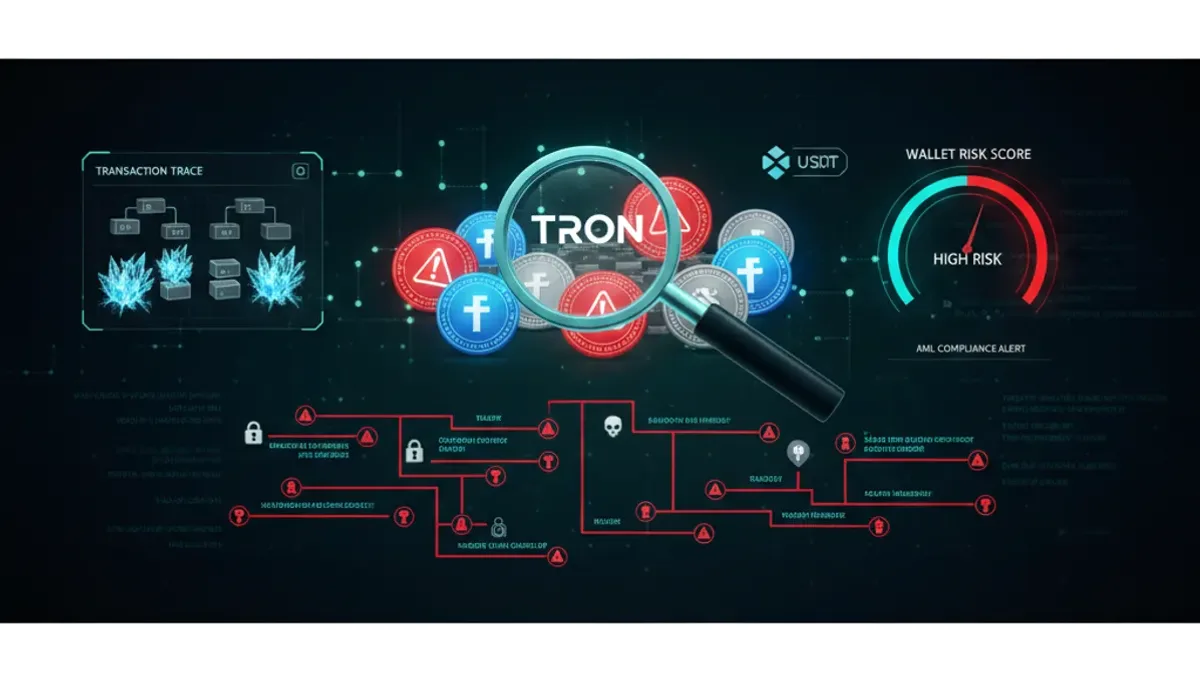
A risk score is a numerical rating (typically 0–100 or 0–10) assigned to a Tron address based on its transaction history and counterparty exposure. Low risk scores (0–20) indicate the address has clean transaction history with no known exposure to illicit activity. Medium risk scores (21–60) suggest some exposure to higher-risk sources such as gambling platforms, mixing services, or unverified exchanges, but not necessarily illegal activity. High risk scores (61–100) flag the address for direct links to darknet markets, theft, sanctions lists, or known scam wallets. When checking a Tron address, compare the score against your organization's or exchange's acceptable threshold. Most institutional buyers reject addresses scoring above 50; retail users may tolerate medium risk depending on transaction size and context. Always review the specific risk categories, not just the number, because a mixer flag differs from a sanctions flag in compliance impact.
Common Risk Flags in Tron Address Checks
When you check a Tron address, the report may flag several risk categories:
- Mixer exposure: The wallet has received or sent funds through privacy mixers, which obscure transaction trails.
- Darknet market links: The address has transacted with known darknet marketplace wallets.
- Stolen funds: The wallet received coins flagged as stolen in fraud or theft reports.
- Sanctioned entities: The address is linked to individuals or organizations on OFAC or other sanctions lists.
- Gambling platforms: The wallet has received payouts from or sent funds to gambling services.
- Scam indicators: The address is associated with known Ponzi schemes, rug pulls, or phishing campaigns.
- Exchange risk: The wallet belongs to a high-risk or unregulated exchange with a history of account freezes.
Each flag carries different compliance weight. Sanctions matches require immediate action; mixer exposure may be acceptable depending on your risk policy.
Tron Address Check vs. Bitcoin and Ethereum Lookups
Tron address lookups follow the same principle as Bitcoin or Ethereum address checks but differ in scale and speed. Tron transactions are faster and cheaper than Bitcoin, so TRX wallets often show higher transaction volumes and more frequent activity. Tron's centralized validator model also means some addresses are easier to link to known entities than on fully decentralized chains. When comparing AML services, verify they support Tron alongside Bitcoin and Ethereum, because not all blockchain analytics platforms cover all chains equally. Some services offer free Bitcoin address checks but charge for Tron lookups, or vice versa. Our verified AML services list includes tools that support multi-chain screening, so you can check TRX, BTC, and ETH addresses from one platform.
What to Do If Your Tron Address Is Flagged as High Risk
If a Tron address check returns a high-risk score, take these steps:
1. Review the specific flags: Determine whether the risk is due to mixer exposure, sanctions, theft, or other categories. Sanctions flags require immediate action; mixer exposure may be explainable.
2. Investigate the transaction history: Use a Tron block explorer to manually trace the wallet's recent transactions and identify the source of the flagged activity.
3. Request documentation from the sender: If you are receiving funds from a counterparty, ask them to explain the high-risk flags or provide proof of legitimate source.
4. Consult your compliance team: If the address is linked to sanctions or theft, do not accept the transfer. If the risk is lower-level (mixer, gambling), evaluate against your organization's policy.
5. Use a trusted AML service for a second opinion: Run the address through another verified AML platform to confirm the findings and get additional context.
Do not deposit flagged funds into an exchange account without clearing the risk, as the exchange may freeze your account during review.
Best Practices for Tron Wallet Address Screening
Adopt these practices to minimize the risk of receiving tainted coins:
- Check before you receive: Always run a Tron address check on counterparties before accepting large transfers, especially from unfamiliar senders.
- Set a risk threshold: Define your organization's acceptable risk score (e.g., reject anything above 40) and apply it consistently.
- Screen your own wallets: Periodically check your own Tron addresses to ensure they are not flagged due to past transactions or account compromise.
- Use verified AML services: Rely on the curated list of trusted AML platforms on this site rather than free, unverified tools that may have incomplete data.
- Document your checks: Keep records of Tron address lookups and risk assessments for compliance audits.
- Monitor after deposit: If you accept a medium-risk address, monitor the wallet for further activity and be prepared to report suspicious behavior to your exchange or compliance officer.
- Educate your team: Ensure anyone handling Tron transfers understands how to interpret risk scores and when to escalate flagged addresses.
Frequently asked questions
How do I find my Tron address?
Your Tron address is displayed in your wallet app under 'Receive' or 'My Address'. It is a 34-character string starting with 'T'. You can also find it on your exchange account under wallet settings or deposit instructions. Copy the full address carefully to avoid typos.
Is a Tron address lookup free?
Many AML services offer free Tron address checks with basic risk scoring, though results may be limited. Premium lookups with detailed transaction history and sanctions screening typically cost a small fee. Check the verified AML services on this site for free and paid options that support Tron.
Can I check a Tron address on a block explorer?
Yes, you can view a Tron address's transaction history on block explorers like Tronscan, but explorers only show raw transaction data, not risk scoring or AML flags. For compliance-grade risk assessment, use a dedicated AML service that analyzes counterparties and flags illicit exposure.
What happens if I receive USDT on Tron from a flagged address?
If you deposit USDT (TRC20) from a high-risk Tron address into an exchange, the exchange may flag your account during compliance review and temporarily freeze it. In severe cases (sanctions, theft), the exchange may permanently ban your account. Always check the sender's Tron address before accepting large USDT transfers.
How often should I check my Tron wallet address?
Check your Tron address at least once if you receive large or unexpected transfers. If you actively trade or receive frequent payments, run a quarterly check to ensure your wallet is not flagged due to past transactions or account compromise. Regular monitoring helps catch issues early.