What Does It Mean to Check a Crypto Wallet
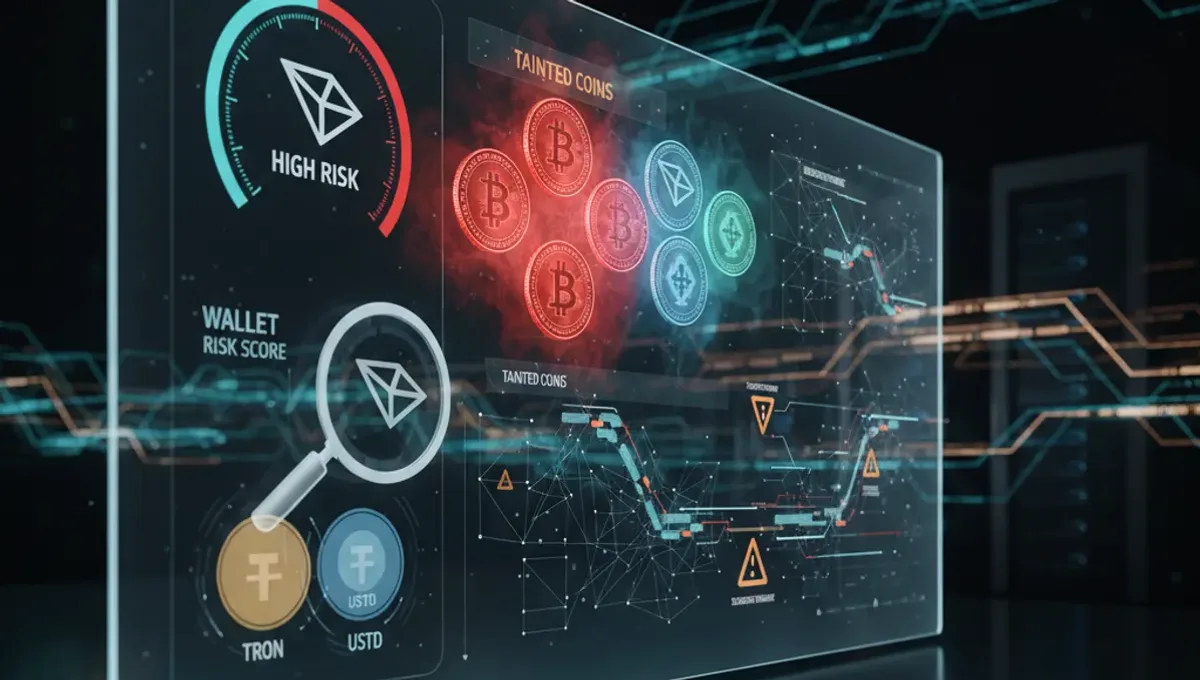
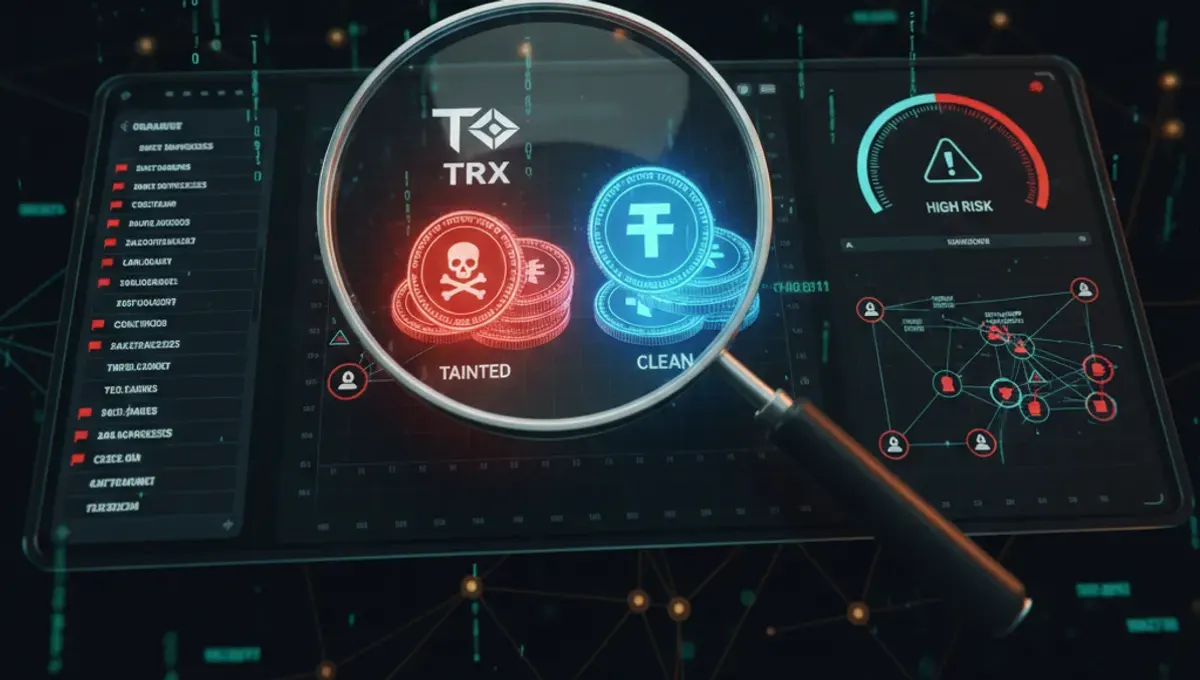
Checking a crypto wallet means examining its on-chain activity to assess whether the funds it holds or sends are clean or tainted. Tainted coins are cryptocurrencies linked to illicit sources: stolen funds, ransomware payments, darknet market proceeds, mixer services, or sanctioned entities. An AML check crypto wallet process traces the wallet's transaction history, identifies the counterparties it has interacted with, and assigns a risk score based on exposure to high-risk behavior. This is different from checking your crypto wallet balance, which only shows how much you own. A proper AML check reveals where those funds came from and whether they carry compliance risk.
How AML Scoring Works for Crypto Wallets
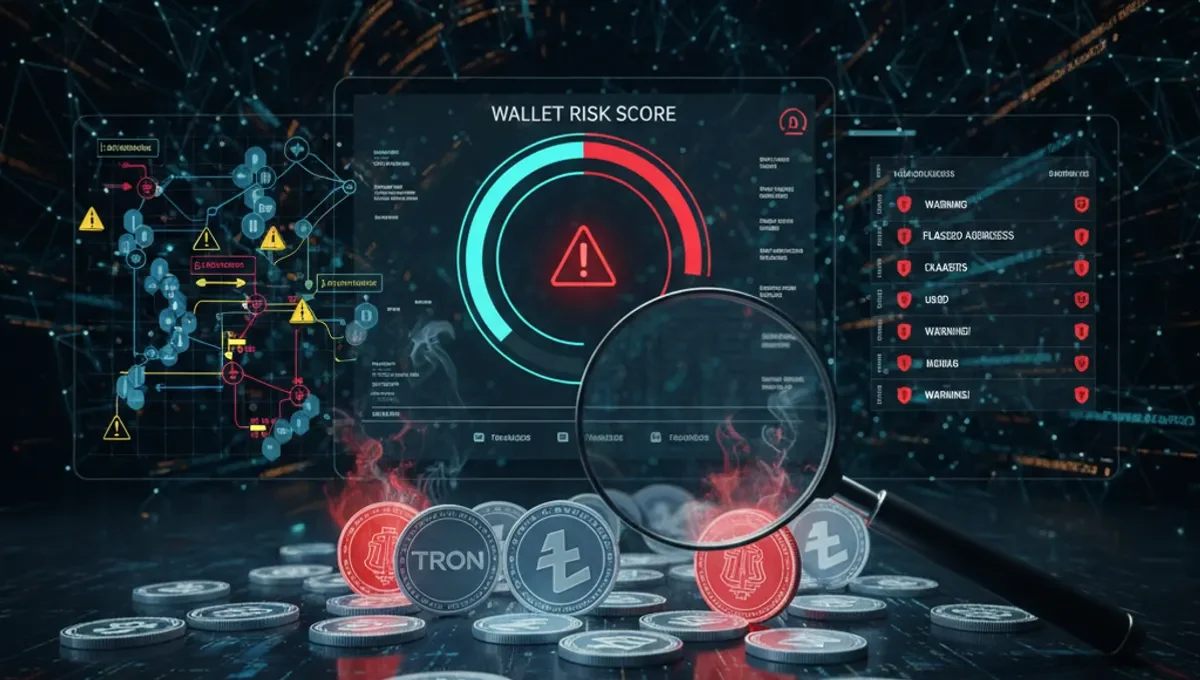
AML wallet scoring assigns a numerical risk rating based on blockchain transaction patterns and known risk categories. Low-risk wallets typically show clean transaction histories with legitimate exchanges and known entities. Medium-risk wallets may have minor exposure to mixers or unverified sources but no direct darknet links. High-risk wallets show direct connections to known scams, ransomware operations, stolen funds, sanctioned counterparties, or darknet markets. The scoring engine analyzes: transaction frequency and volume, counterparty reputation, time-to-exchange (how quickly funds move to trading platforms), and clustering with known illicit addresses. Risk scores help you decide whether to accept a deposit or flag it for further investigation before settlement.
Step-by-Step: How to Check a Wallet Before Receiving Funds
- Obtain the wallet address from the sender (Tron TRX address, Bitcoin address, Ethereum address, or USDT contract address).
- Copy the full address and verify it matches the sender's stated identity.
- Visit a trusted AML check service (our curated list of verified AML services on this site provides vetted tools for wallet screening).
- Paste the wallet address into the screening tool.
- Review the risk score and detailed findings: any flagged transactions, mixer exposure, sanctioned entity links, or darknet connections.
- Check the transaction history summary to see where funds originated.
- Decide: accept the transfer if risk is acceptable, request clarification from the sender if medium-risk, or reject if high-risk or sanctioned.
- Document the AML check result for compliance records.
Understanding Risk Score Thresholds
Risk scores typically range from 0–100 or use categorical labels (low, medium, high, critical). A score of 0–20 indicates minimal risk: the wallet shows clean exchange activity and no illicit connections. Scores of 21–50 suggest caution: some exposure to unverified sources, mixers, or minor darknet clustering, but no direct criminal links. Scores of 51–80 warrant investigation: clear mixer usage, multiple high-risk counterparties, or stolen fund traces. Scores above 80 or labeled critical mean direct sanctions exposure, ransomware proceeds, or active darknet market involvement—reject these transfers. Your acceptable threshold depends on your compliance posture: regulated exchanges typically accept only 0–20, while some services tolerate up to 40. Document your policy and apply it consistently.
What Happens If Your Crypto Wallet Is Flagged as Dirty
If your wallet receives tainted coins and is flagged during an AML check, several outcomes are possible. Exchanges may freeze your account pending investigation, delaying or blocking withdrawals. Funds linked to ransomware, stolen assets, or sanctions may be permanently frozen by the exchange's compliance team. You may be required to provide proof of legitimate receipt (e.g., invoice, employment contract) to unlock the account. In severe cases, your account is terminated and funds are reported to regulators. To avoid this: always screen incoming wallets before accepting transfers, maintain clear records of transaction purposes, and use AML check services proactively. If flagged, contact the exchange's compliance team immediately with documentation of the transfer's legitimacy.
How Exchanges Freeze Accounts and Detect Tainted Coins
Exchanges use blockchain analytics and transaction monitoring to detect tainted coins entering user wallets. When you deposit cryptocurrency, the exchange's compliance system automatically screens the incoming address against known risk lists: sanctions databases, stolen fund registries, mixer clusters, and darknet market addresses. If a match is found, the deposit is flagged and may be held in escrow. Frozen USDT or other assets remain inaccessible until the exchange completes its investigation. Exchanges also monitor outbound transactions: if you attempt to withdraw coins flagged as high-risk, the withdrawal is blocked. This is why checking a wallet before receiving funds is critical—you avoid the compliance friction and account restrictions that follow a dirty deposit.
Choosing a Trusted AML Check Service
Not all AML check tools are equal. Reliable services use real-time blockchain data, maintain current sanctions and stolen-fund databases, and provide transparent risk scoring methodology. When selecting a service, verify it covers the blockchains you use (Tron TRC20, Bitcoin, Ethereum, etc.), offers both free and detailed paid reports, and shows clear documentation of its data sources. Avoid services that make vague claims without showing their analysis. Our curated list of verified AML services on this site includes tools that meet these standards—they're tested for accuracy and compliance with industry practices. Starting with a trusted service from that list ensures you get reliable screening before accepting any transfer. Many offer free basic checks with optional detailed reports for higher-risk scenarios.
Frequently asked questions
Can I check a crypto wallet balance without an AML check
Yes. You can view any wallet's balance on a blockchain explorer by pasting the address. However, balance alone tells you nothing about risk. An AML check crypto wallet process reveals whether those funds are tainted, sanctioned, or linked to illicit activity—balance checks do not. For compliance and safety, always pair balance checks with AML screening before accepting deposits.
What is a good risk score for receiving crypto
A risk score of 0–20 is ideal and safe for most users and exchanges. Scores of 21–50 require caution and investigation. Above 50, the wallet shows clear high-risk behavior and should be rejected unless you have strong justification. Your acceptable threshold depends on your compliance requirements and risk tolerance. Regulated entities typically only accept 0–20.
How long does an AML check of a crypto wallet take
Most AML check services return results in seconds to minutes. The screening tool queries blockchain data and risk databases instantly. Detailed reports with full transaction analysis may take a few minutes. Exchange-level investigations after a flagged deposit can take days or weeks. For real-time wallet screening before accepting funds, expect results within one minute.
Can I check a wallet on Tron or Bitcoin the same way
Yes. The process is identical: paste the address into an AML check service and review the risk score. However, ensure the service supports the blockchain you're using. Most modern AML tools cover Tron TRC20, Bitcoin, Ethereum, and other major chains. Always verify the service covers your specific blockchain before screening.
What should I do if I already received tainted coins
Contact your exchange's compliance team immediately with documentation of the transfer. Explain the source and provide proof of legitimacy if possible. Do not attempt to move or hide the funds. Frozen USDT or other assets may be released after investigation. Transparency and quick action improve your chances of account recovery. In future transactions, use AML check services before accepting deposits to prevent this situation.