What Is an AML Crypto Wallet Check?
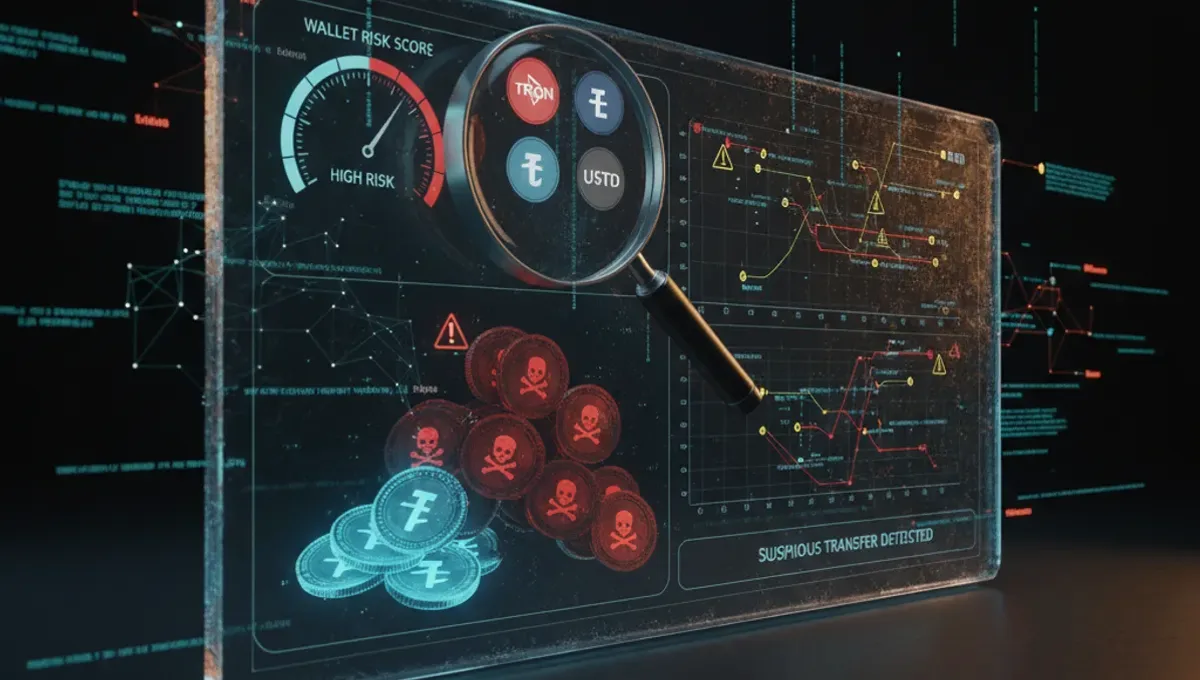
An AML crypto wallet check is a Know-Your-Transaction (KYT) scan that analyzes a blockchain address's transaction history and counterparties for compliance risk. The check flags exposure to mixers, darknet markets, scams, stolen funds, and sanctioned entities. When you perform an AML check on a crypto wallet, the system compares the address against blockchain analytics databases and sanctions lists to assign a risk score. This differs from KYC (Know-Your-Customer), which verifies a person's identity. AML checks focus on the money itself—whether the coins are clean or tainted. Exchanges, custodians, and compliance teams use wallet AML checks to prevent receiving proceeds from illegal activity. Individual users perform them to avoid accepting dirty crypto that could trigger account freezes or regulatory scrutiny.
How Does AML Scoring Work for Crypto Wallets?
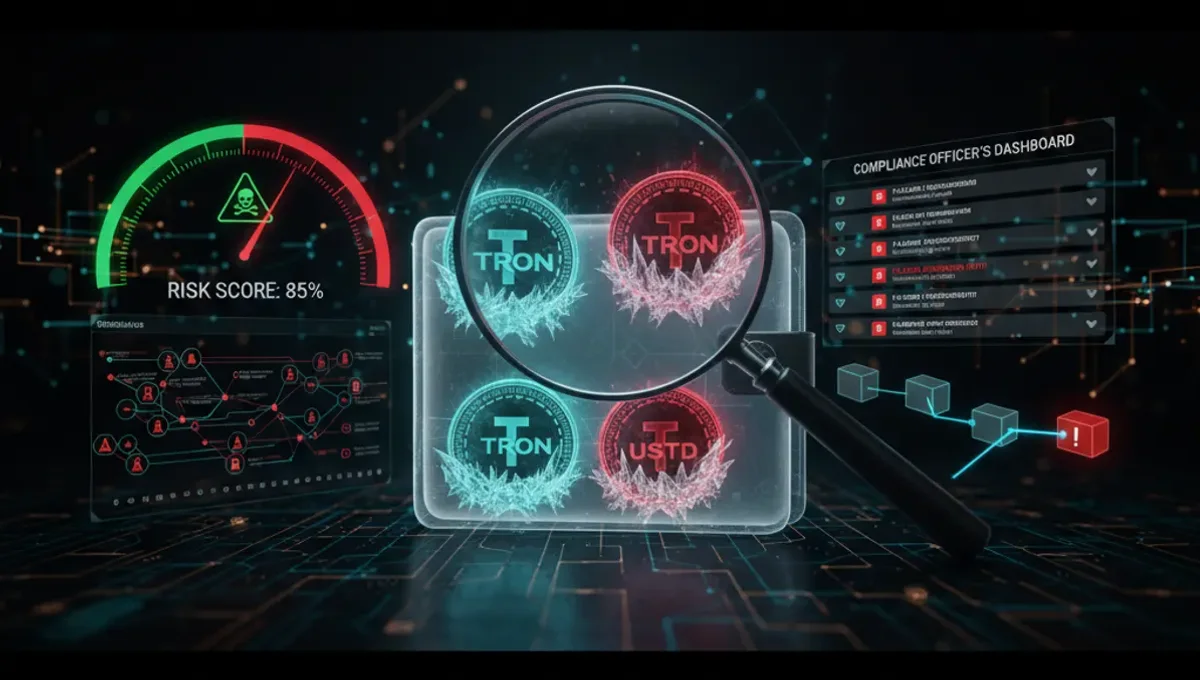
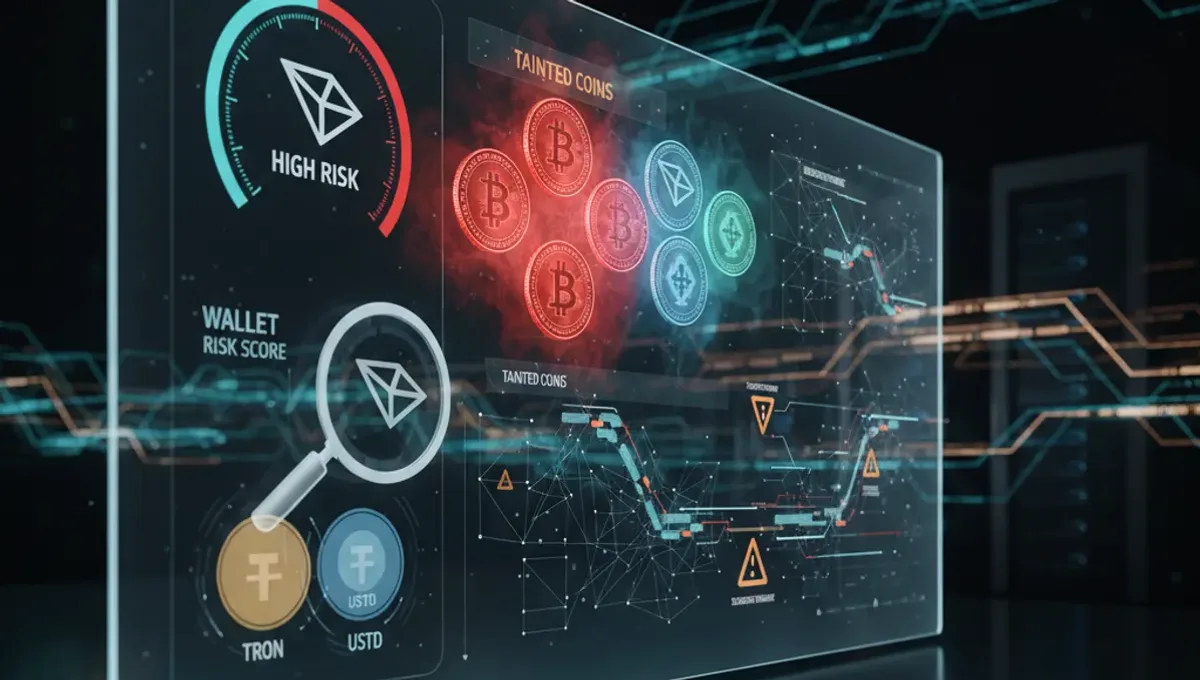
An AML wallet check assigns a risk score based on transaction patterns, source history, and counterparty exposure. The scoring system typically ranges from low risk (green) to high risk (red). Low-risk wallets show clean transaction history with minimal exposure to flagged entities. Medium-risk wallets may have some exposure to mixing services or unverified sources but no direct darknet or sanctions links. High-risk wallets show direct or recent transactions with known mixers, darknet markets, stolen-fund addresses, or sanctioned counterparties. The algorithm analyzes the entire transaction chain, not just the current holder. If a wallet received coins from a mixer five transactions ago, that historical exposure may still elevate the risk score. Most AML crypto check services also flag specific risk categories: sanctions exposure, darknet activity, gambling, scams, and stolen funds. Understanding these categories helps you decide whether to accept or reject incoming funds.
How to Perform a Free AML Crypto Check on a Wallet
To perform a free AML crypto check, follow these steps:
- Copy the wallet address (Bitcoin, Tron, Ethereum, or other blockchain).
- Visit a trusted AML check service listed on our curated AML Services page.
- Paste the address into the search field.
- Review the risk score and flagged categories (sanctions, darknet, mixers, scams, stolen funds).
- Read the transaction summary to understand the source of funds.
- Decide whether the risk level is acceptable for your use case.
Free AML crypto checks typically provide a basic risk score and category flags. Paid or premium scans offer deeper analysis, including transaction graphs, counterparty details, and historical risk trends. For a single wallet check, free tools are sufficient. If you manage multiple addresses or need ongoing monitoring, consider a service with batch-check or API capabilities. Always cross-reference results across multiple services if the risk score is borderline or unclear.
What Do AML Risk Score Levels Mean?
Risk scores are usually presented as numerical ranges or color codes. Here's what they typically indicate:
Low Risk (0–20%): Clean transaction history, no exposure to flagged entities, suitable for most use cases.
Medium Risk (20–50%): Some exposure to mixing services, unverified sources, or older darknet transactions; acceptable for experienced users but may trigger exchange review.
High Risk (50–100%): Direct or recent exposure to darknet markets, mixers, stolen funds, sanctions lists, or scams; likely to be rejected by exchanges or frozen by custodians.
Exchanges and custodians set their own thresholds. Some accept wallets up to 30% risk; others reject anything above 10%. If you receive coins flagged as high-risk, your exchange account may be frozen pending investigation. Acceptable risk depends on your jurisdiction, counterparty requirements, and compliance policy. When in doubt, perform an AML crypto check before accepting funds and consult your compliance team.
What Happens If Your Wallet Is Flagged as High-Risk?
If an AML wallet check flags your address as high-risk, several outcomes are possible. Exchanges may freeze your account pending investigation or reject deposits from that wallet. Custodians may require additional documentation to prove the source of funds is legitimate. If the flagged coins are linked to sanctions, stolen funds, or darknet activity, they may be permanently frozen. You cannot simply move flagged coins to a new wallet to "wash" them; blockchain analytics tracks the entire transaction chain. If you received high-risk coins unknowingly, document the transaction and contact your exchange's compliance team immediately. Provide evidence of the legitimate source if possible. Some risk flags fade over time as the coins age and move through legitimate transactions, but this is not guaranteed. The safest approach is to reject incoming transfers flagged as high-risk before they reach your wallet.
AML Check Before Receiving USDT or TRX: Best Practices
Before accepting USDT, TRX, or any cryptocurrency, request the sender's wallet address and perform an AML crypto check. This is especially important for large transfers or unfamiliar counterparties. Steps:
- Ask the sender for their wallet address.
- Run an AML check on that address using a trusted service.
- Review the risk score and transaction history.
- If the score is low or acceptable, proceed with the transfer.
- If the score is high or unclear, ask the sender for clarification or decline.
For USDT on Tron (TRC20), Ethereum (ERC20), or other blockchains, the AML check process is identical. Frozen USDT is common when coins are flagged as tainted; once frozen, they cannot be moved or spent. TRX addresses linked to gambling, scams, or mixers often show elevated risk. When receiving TRX or USDT from exchanges, custodians, or known counterparties, risk is typically low. When receiving from unknown sources, always check first. This simple step prevents costly account freezes and regulatory complications.
Comparing AML Check Services and Tools
Multiple AML check services exist, each with different coverage, speed, and pricing. Free tools offer basic risk scoring and category flags for single addresses. Paid services provide batch checks, API access, transaction graphs, and ongoing monitoring. When choosing an AML check service, consider: coverage of blockchains (Bitcoin, Ethereum, Tron, etc.), update frequency of sanctions and darknet lists, ease of use, and customer support. Our curated AML Services page lists verified tools trusted by compliance teams and individual users. Starting with a service from that list ensures you're using reliable, regularly updated databases. Avoid services that claim to "guarantee" clean coins or offer unrealistic promises. Legitimate AML checks provide risk scores and flags based on available data, not certainties. Cross-check results if a score seems inconsistent with the transaction history you see on a blockchain explorer.
Frequently asked questions
Is an AML crypto check free?
Many services offer free AML crypto checks for single wallet addresses, providing a basic risk score and category flags. Paid or premium versions unlock batch checks, API access, transaction graphs, and ongoing monitoring. A single free check is sufficient for most users; paid services are useful for compliance teams managing multiple addresses.
What does a high-risk AML score mean for my wallet?
A high-risk AML score indicates exposure to darknet markets, mixers, stolen funds, sanctions, or scams. Exchanges may freeze your account or reject deposits from that wallet. You cannot move flagged coins to another wallet to hide the risk; blockchain analytics tracks the entire transaction chain. Contact your exchange's compliance team if you received high-risk coins unknowingly.
Can I check a Tron (TRX) address for AML risk?
Yes, most AML check services support Tron (TRX) addresses. The process is identical to checking Bitcoin or Ethereum wallets. Paste the TRX address into the search field and review the risk score and flagged categories. Tron addresses linked to gambling, scams, or mixers often show elevated risk.
What is the difference between AML and KYC checks?
AML (Anti-Money Laundering) checks examine the money and transaction history for risk and compliance. KYC (Know-Your-Customer) verifies a person's identity and background. Exchanges typically require both: KYC to verify who you are, and AML checks on incoming and outgoing funds to detect tainted coins.
How often should I perform an AML crypto check on a wallet?
Perform an AML check before receiving or sending significant amounts of cryptocurrency. If you manage multiple addresses or receive frequent transfers, consider ongoing monitoring through a paid service. Risk scores can change as new transaction data is added to blockchain analytics databases.