Why Stolen Crypto Is Hard to Recover
Cryptocurrency transactions are irreversible by design. Once coins leave your wallet and reach an attacker's address, no central authority can simply reverse the transfer. Unlike a bank that can freeze accounts or reverse fraudulent wire transfers, blockchain networks process transactions as final.
However, recovery becomes possible when stolen funds move through regulated channels. If a thief deposits stolen crypto on an exchange, that exchange can freeze the account if law enforcement requests it or if the exchange's compliance team flags the coins as tainted. The key is whether the stolen funds can be traced to an identifiable person or entity before they're converted to cash or moved to a privacy-focused wallet.
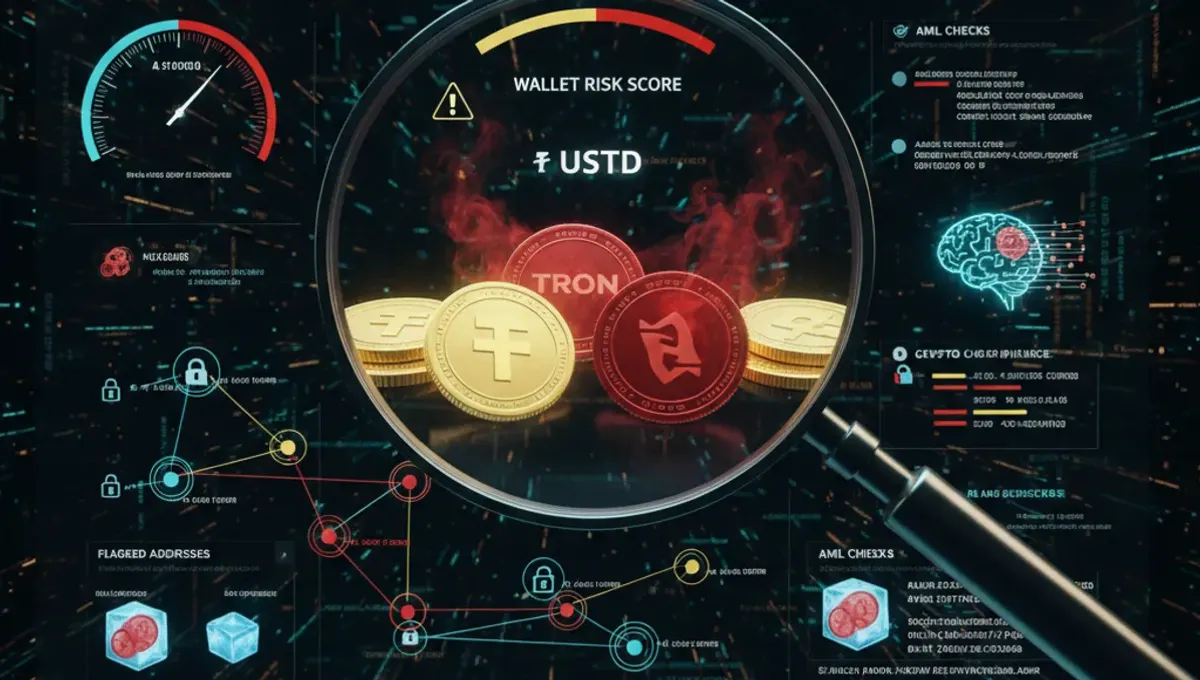
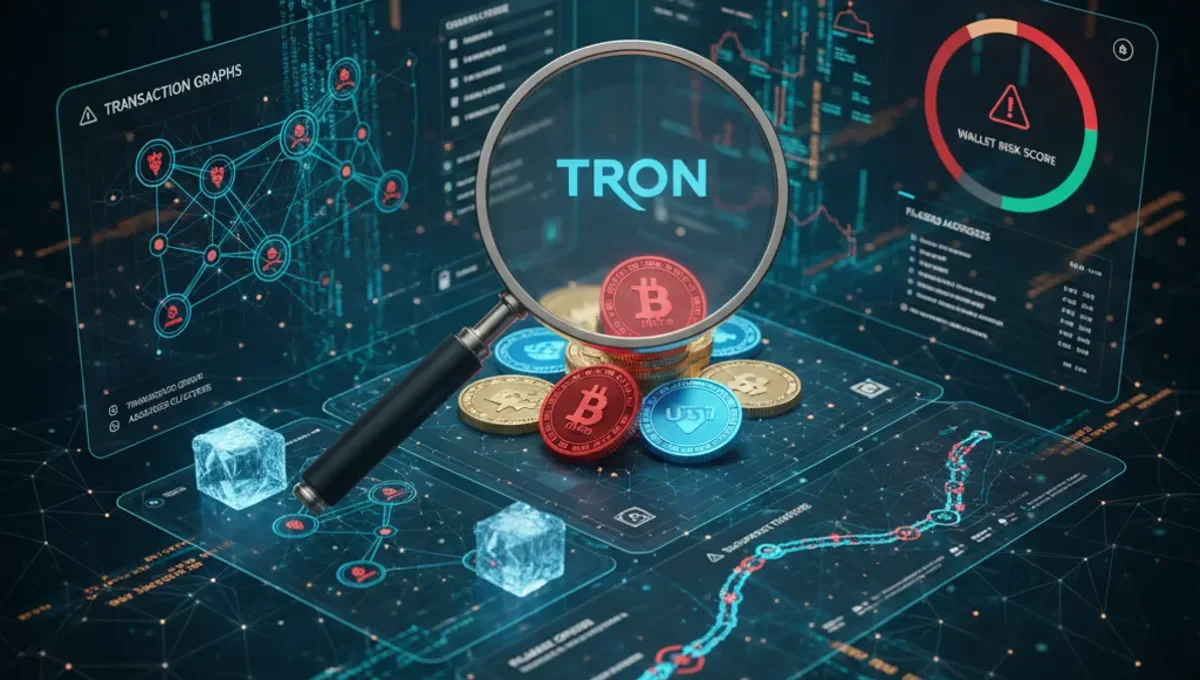
Crypto transactions can be traced through blockchain analysis, which maps wallet addresses to known entities, exchanges, and risk categories. Services that perform AML checks and transaction monitoring can identify whether coins have passed through darknet markets, mixers, or sanctioned counterparties—all signals that law enforcement or exchanges may act on.
How Blockchain Analysis Helps Trace Stolen Funds
Blockchain analysis works by linking wallet addresses to real-world identities and categorizing them by risk. When you receive crypto, analysts can check whether the sending address has a history of involvement with theft, ransomware, darknet markets, or sanctioned entities. This process is called transaction monitoring or Know Your Transaction (KYT).
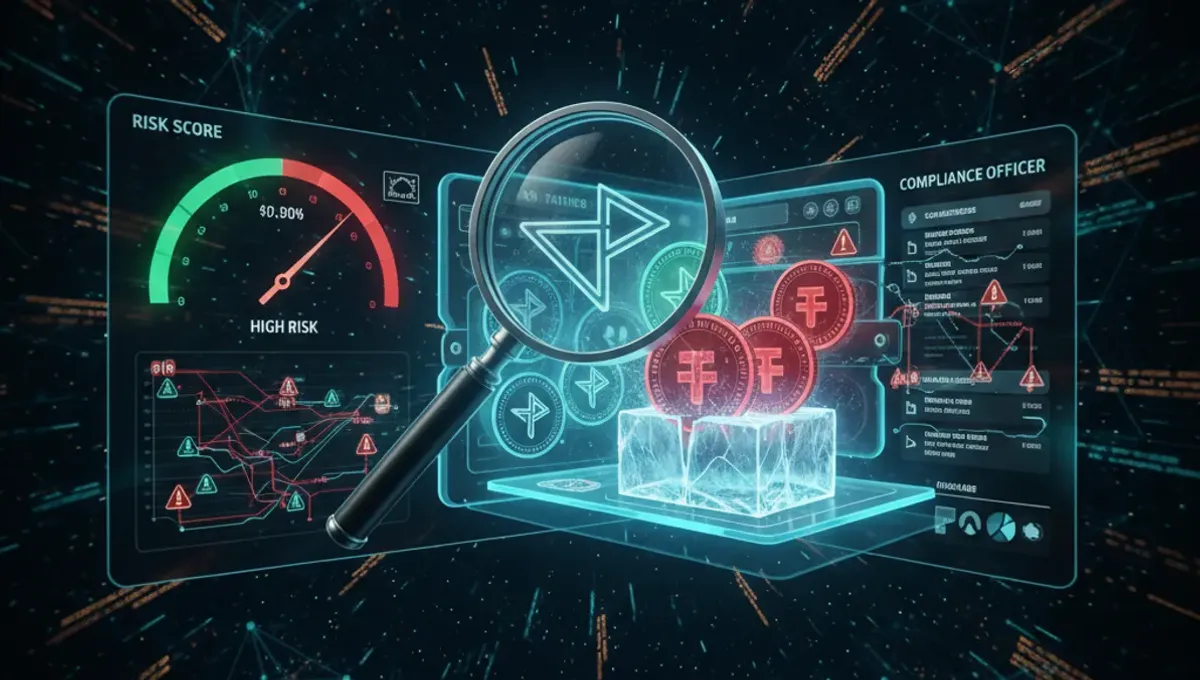
If stolen coins pass through a regulated exchange, the exchange's compliance team runs AML checks and may detect that the funds are tainted. Exchanges are required to report suspicious activity to financial regulators, and they often freeze accounts associated with stolen or high-risk crypto. This freezing can halt the thief's ability to cash out.
The traceability of stolen crypto depends on the path it takes. Coins that move directly to a regulated exchange are easiest to recover because the exchange has customer identity information. Coins that pass through privacy mixers or move to unhosted wallets become much harder to trace. If you suspect your crypto was stolen, checking the receiving address's risk score and transaction history through an AML service is the first step to understanding whether recovery is realistic.
Steps to Take If Your Crypto Is Stolen
Act quickly if you discover theft. Here's what to do:
1. Document everything: Record the wallet address that received your funds, the transaction hash, the amount, and the timestamp. Screenshot your wallet or exchange account showing the outgoing transaction.
2. Check the receiving address: Use an AML wallet screening service to see if the address has a known risk score, history with darknet markets, or links to sanctioned entities. Our curated list of verified AML services on this site can help you screen the address quickly and accurately.
3. Report to your exchange: If you received the stolen crypto on an exchange, notify their support team immediately with your documentation. Exchanges can freeze accounts and cooperate with law enforcement.
4. File a police report: Contact your local law enforcement and provide them with the transaction details. Many jurisdictions now have crypto crime units that work with blockchain analysts.
5. Contact law enforcement's financial crimes unit: In the US, the FBI's Internet Crime Complaint Center (IC3) accepts reports of crypto theft. Other countries have equivalent agencies.
6. Notify relevant exchanges: If you know which exchange the thief may use, you can report the wallet address to their compliance team. They may flag it in their systems.
When Recovery Is Actually Possible
Recovery succeeds in a few specific scenarios:
Exchange account freeze: If the thief deposits stolen coins on a regulated exchange and that exchange's AML checks flag the funds as tainted, the account can be frozen. Law enforcement can then work with the exchange to recover the funds. This is the most common recovery path.
Ransomware payments: Law enforcement agencies have successfully recovered ransomware payments by working with exchanges and blockchain analysts to identify and freeze wallets. High-profile ransomware cases have resulted in partial or full recovery.
Sanctioned entity involvement: If stolen crypto moves to a wallet linked to a sanctioned country or entity, regulatory agencies can seize it. This is rare but has happened in cases involving state-sponsored actors.
Mixer or tumbler detection: Some blockchain analysts can track coins even after they pass through mixers, especially if the mixer is poorly designed or if the volume is small. However, this requires sophisticated analysis and law enforcement involvement.
The common factor: all successful recoveries involve the stolen funds touching a regulated entity or being linked to a known criminal or sanctioned actor. Coins that stay in unhosted wallets or move to privacy-focused addresses are nearly impossible to recover.
How to Avoid Receiving Stolen Crypto in the First Place
Prevention is far easier than recovery. Before you receive crypto from an unknown source, check the sending wallet's risk score and transaction history.
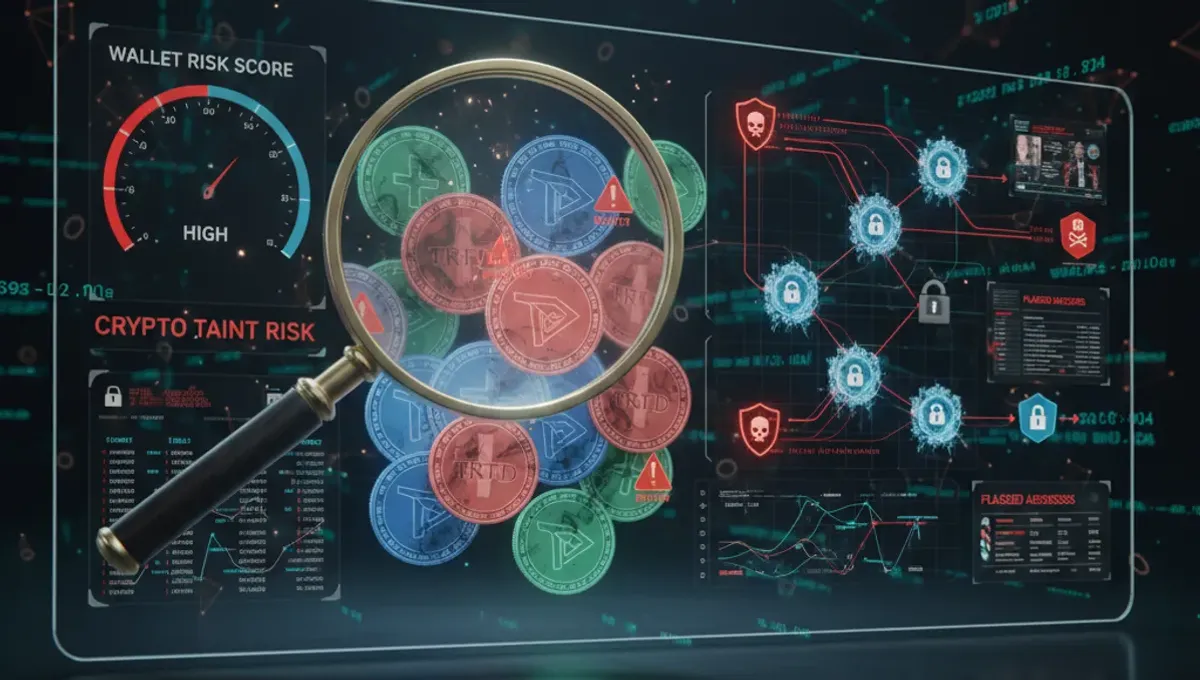
Use AML wallet screening: Before accepting a transfer, ask the sender for their wallet address and run it through an AML check. Look for red flags: involvement with darknet markets, mixers, gambling platforms, or sanctioned entities. A high-risk score means the coins may be tainted, and receiving them could expose you to regulatory scrutiny or exchange account freezes.
Understand acceptable risk thresholds: Most exchanges consider coins with low or medium risk scores acceptable. High-risk coins—those linked to theft, ransomware, or darknet activity—may be rejected or flagged for further review. If you're unsure whether a wallet's risk profile is acceptable, check our verified AML services list to find tools that provide clear risk scoring.
Verify the sender's identity: If someone is sending you a large amount of crypto, confirm their identity through a separate channel. Scammers often impersonate legitimate contacts.
Use reputable exchanges: Exchanges with strong compliance teams are more likely to catch and freeze stolen coins before they reach your account. They also provide better protection if you accidentally receive tainted funds.
Dirty Crypto and Frozen Accounts: What Happens Next
If you receive stolen or high-risk crypto and deposit it on an exchange, the exchange's compliance team may freeze your account pending investigation. This is not a permanent ban, but it can take weeks or months to resolve.
When an exchange flags your account, they typically:
- Freeze your balance temporarily while they investigate the source of the funds
- Request documentation proving the legitimacy of the transfer
- May ask you to provide the sender's identity and proof of the transaction's purpose
- Report suspicious activity to financial regulators if they suspect money laundering
If you can prove the funds came from a legitimate source and you didn't knowingly receive stolen crypto, the freeze is usually lifted. However, if the coins are confirmed to be stolen or linked to illegal activity, the exchange may permanently restrict your account or report you to authorities.
This is why checking a wallet's risk score before receiving crypto matters. A simple AML check can prevent account freezes and legal complications. If you're regularly receiving crypto transfers, using the AML services listed on our site ensures you're screening wallets with the same tools that exchanges use.
Can Stolen Checks and Stolen Crypto Be Recovered Similarly
Stolen checks and stolen crypto follow different recovery paths, but both involve tracing and regulatory intervention.
With a stolen check, banks can trace the check number and account, freeze the receiving account, and reverse the deposit. The process is centralized and relatively fast because banks maintain records and can communicate directly.
With stolen crypto, recovery depends on whether the funds touch a regulated entity. If they do, exchanges can freeze accounts and cooperate with law enforcement. If they don't—if the thief moves the coins to an unhosted wallet or through privacy mixers—recovery becomes nearly impossible.
One key difference: a stolen check can be traced through the banking system even if it's deposited at a different bank. Stolen crypto can only be traced if it moves through a regulated exchange or if blockchain analysts can link it to a known criminal or sanctioned entity. This makes crypto theft harder to recover from unless the thief makes a mistake and deposits the funds on a regulated platform.
The lesson: whether you're dealing with a stolen check or stolen crypto, speed matters. Report the theft immediately and provide law enforcement with all transaction details. For crypto, also check the receiving address's risk score and transaction history to understand whether recovery is realistic.
Frequently asked questions
Can stolen crypto be recovered if it goes to an exchange?
Yes, if the thief deposits stolen crypto on a regulated exchange, the exchange's compliance team can freeze the account when they detect the funds are tainted. Law enforcement can then work with the exchange to recover the funds. This is the most common recovery scenario. However, if the coins move to an unhosted wallet or privacy mixer, recovery becomes very difficult.
Can crypto transactions be traced to find who stole my coins?
Crypto transactions can be traced through blockchain analysis, which maps wallet addresses to known entities and risk categories. If stolen coins move through a regulated exchange or to a wallet linked to a known criminal, law enforcement can identify the thief. However, if coins pass through privacy mixers or stay in unhosted wallets, tracing becomes nearly impossible without sophisticated analysis.
What should I do immediately after discovering my crypto was stolen?
Document the transaction details, check the receiving address's risk score using an AML wallet screening service, report the theft to your exchange, file a police report, and contact your local law enforcement's financial crimes unit. Speed is critical. The faster you act, the better the chance that law enforcement or an exchange can freeze the stolen funds before they're converted or moved.
Can crypto wallets be hacked and drained without my knowledge?
Yes, if your private key or seed phrase is compromised, an attacker can drain your wallet. This can happen through malware, phishing, or weak security practices. To prevent this, use a hardware wallet, enable two-factor authentication on exchanges, and never share your private key. If your wallet is hacked, check the receiving address's risk score immediately to understand whether recovery is possible.
How do I know if crypto I received is stolen or dirty?
Use an AML wallet screening service to check the sending address's risk score and transaction history. Look for red flags: involvement with darknet markets, mixers, gambling, or sanctioned entities. High-risk scores indicate the coins may be tainted. Before accepting large transfers, always screen the sender's wallet. Our verified AML services list provides tools that exchanges use for compliance checks.