How Stolen Checks Are Traced Through Banking Systems
When a check is reported stolen, banks use routing numbers, account identifiers, and check serial numbers to trace the transaction. The Federal Reserve and clearing houses maintain records of all processed checks, and law enforcement can subpoena these records. If the check was deposited into a bank account, the receiving bank must provide account holder information. The process typically takes days to weeks, depending on whether the check has already cleared. However, if you deposit a dirty check—one drawn on a stolen or compromised account—you may face liability if the original account holder disputes the transaction. Banks flag suspicious deposits and can freeze accounts pending investigation. This centralized traceability exists because traditional banking operates through regulated intermediaries with mandatory record-keeping and reporting requirements.
Can Crypto Transactions Be Traced Like Stolen Checks
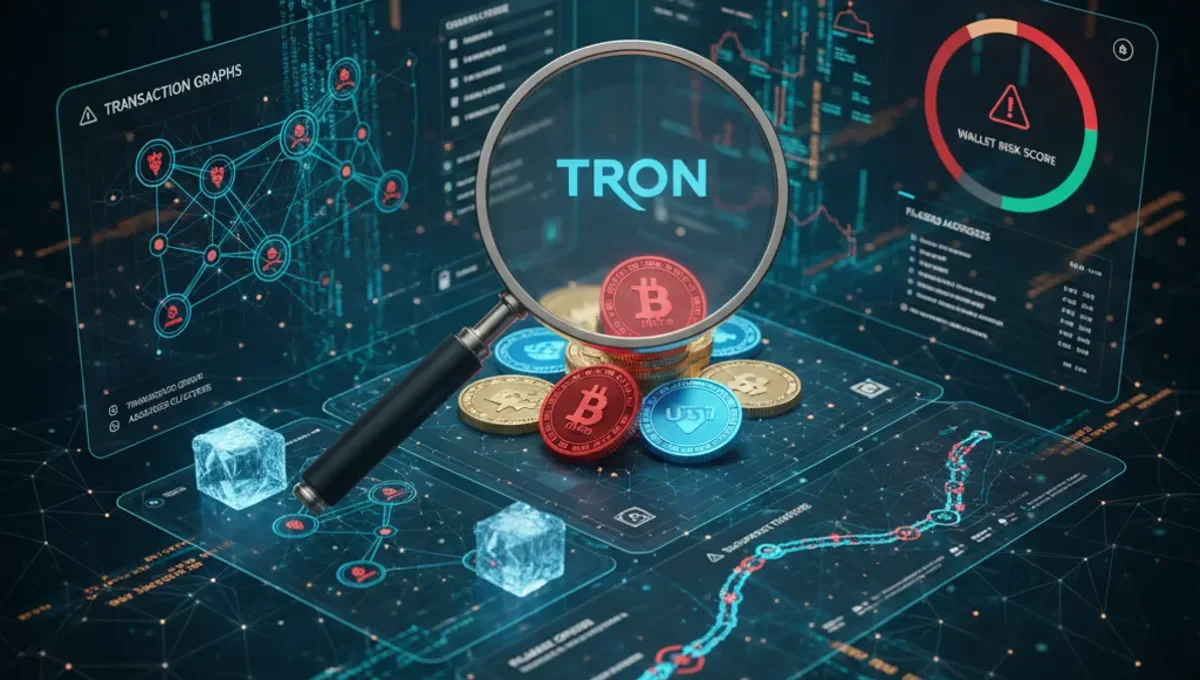
Cryptocurrency transactions are permanently recorded on the blockchain, making them traceable in ways that differ fundamentally from checks. Every Bitcoin, Ethereum, Tron, and USDT transfer leaves an immutable record of sender address, recipient address, amount, and timestamp. Blockchain analytics firms use address clustering, transaction graph analysis, and behavioral patterns to link addresses to real-world identities and entities. Unlike checks, which require bank intermediaries to trace, crypto transactions can be analyzed by anyone with blockchain data. However, traceability depends on whether funds pass through regulated exchanges with KYC (know-your-customer) requirements. If stolen crypto moves through a privacy mixer or darknet market, the trail becomes obfuscated—though not erased. Law enforcement and compliance teams can still subpoena exchange records to identify where tainted coins entered or exited the regulated financial system. The key difference: blockchain is transparent, but privacy is possible if users deliberately obscure their transactions.
Can Stolen Crypto Be Recovered After Theft
Recovery of stolen crypto is significantly harder than recovering a stolen check. Once a check is cashed fraudulently, the bank can reverse the transaction and restore funds to the legitimate account holder. Crypto transactions, by design, are irreversible. If your private key is compromised or your wallet is hacked, funds sent to an attacker's address cannot be recalled. However, recovery is possible in limited scenarios: if the thief deposits stolen crypto into a regulated exchange, law enforcement can freeze the account and work with the exchange to return funds. Some exchanges have insurance or recovery programs for hacked accounts. If stolen funds are traced to a specific wallet before they move to an exchange, blockchain analysis can flag that wallet as tainted, making it difficult for the thief to cash out without detection. The best protection is preventing theft through hardware wallets, strong authentication, and avoiding suspicious links or phishing attempts. If you receive crypto that turns out to be stolen, you may face legal liability depending on your jurisdiction and whether you knew the funds were tainted.
What Happens When You Receive Tainted or Stolen Crypto
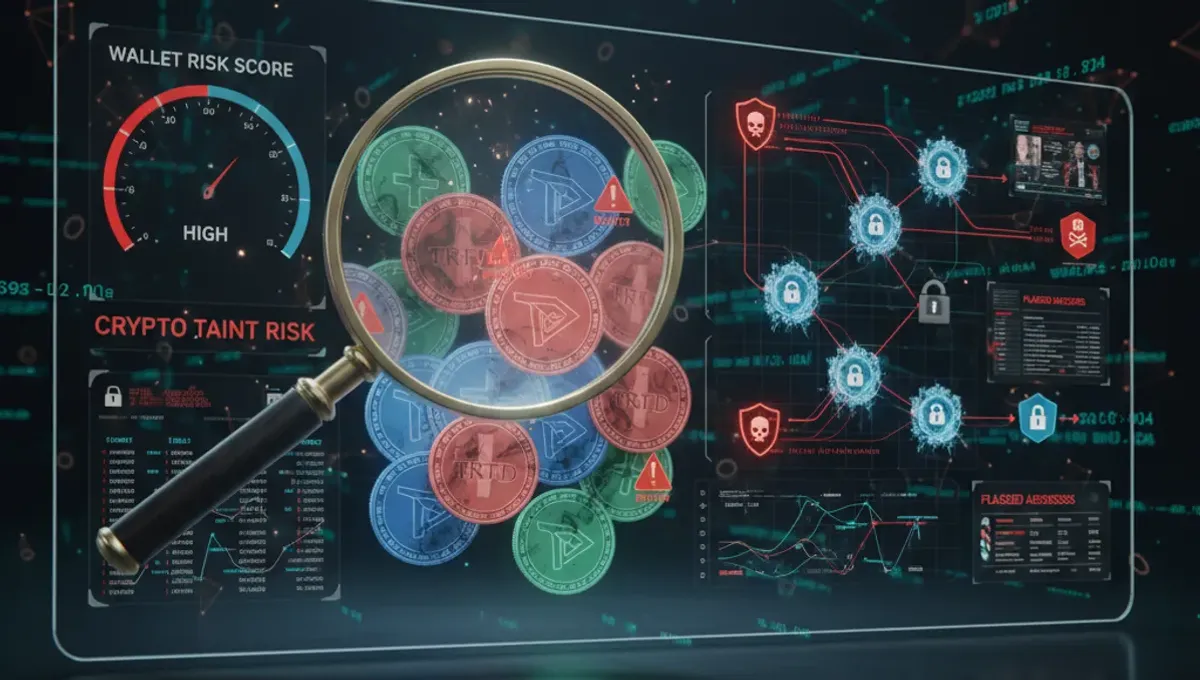
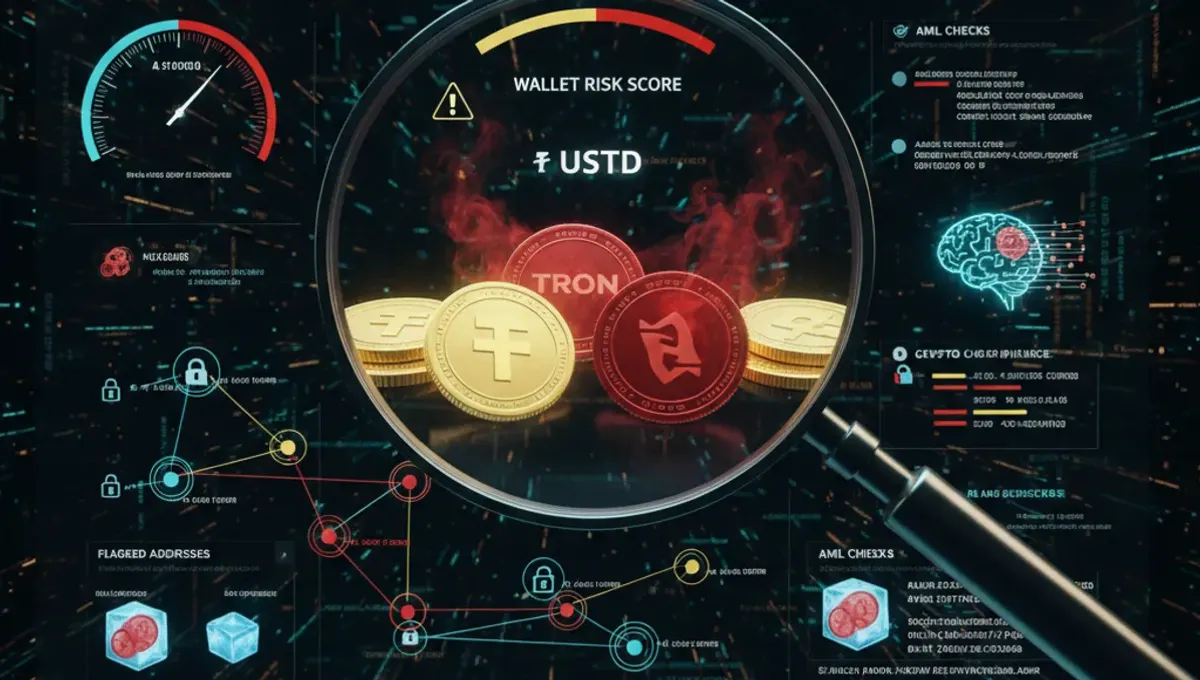
Receiving tainted crypto—coins linked to theft, sanctions, darknet markets, or scams—creates compliance and legal risks. Exchanges and custodians use AML (anti-money laundering) screening to flag wallets with high-risk transaction histories. If you deposit tainted USDT or Bitcoin into an exchange, your account may be frozen pending investigation. You could face account restrictions, forced withdrawal, or permanent closure. In some jurisdictions, knowingly receiving stolen funds is a criminal offense; unknowingly receiving them may still trigger regulatory scrutiny. To protect yourself, check any wallet before receiving funds using blockchain analytics tools. Look for red flags: transactions from mixers, darknet addresses, sanctioned entities, or wallets flagged by compliance databases. Our curated list of verified AML services on the AML Services page includes tools that screen wallets for tainted coins and provide risk scores. A wallet with a low risk score indicates clean transaction history; high-risk scores suggest exposure to illicit activity. Always verify the source of incoming crypto and review the wallet's history before accepting large transfers.
How to Check a Wallet Before Receiving Crypto
Before accepting USDT, TRX, Bitcoin, or any crypto, verify the sender's wallet for tainted coins and high-risk activity. Start by obtaining the wallet address and running it through an AML screening tool. These tools analyze the address's transaction history, identify linked addresses, and assign a risk score based on exposure to mixers, darknet markets, stolen funds, and sanctioned entities. Step-by-step:
- Copy the wallet address from the sender.
- Visit a trusted AML check service from our verified list.
- Paste the address and run the screening.
- Review the risk score and transaction history.
- Look for red flags: recent mixer activity, darknet connections, or sanctions list matches.
- Decide whether to accept the transfer based on acceptable risk thresholds. For most users, a low or very low risk score is acceptable; medium or high scores warrant caution or refusal. If the wallet shows signs of being hacked or compromised, ask the sender to verify the address or use an alternative method. This simple check prevents you from receiving stolen or dirty crypto that could trigger exchange freezes or compliance issues.
Risk Score Thresholds and What They Mean
AML screening tools assign risk scores to wallets based on transaction patterns and historical exposure. Understanding these thresholds helps you make informed decisions about receiving crypto. Very Low Risk (0-20%): Clean transaction history, no mixer or darknet exposure, no sanctions matches. Safe to receive. Low Risk (21-40%): Minimal exposure to risky activity, possibly some exchange interactions or older transactions. Generally acceptable. Medium Risk (41-60%): Some exposure to mixers, unverified sources, or suspicious activity patterns. Proceed with caution; verify the sender's legitimacy. High Risk (61-80%): Significant mixer activity, darknet connections, or multiple red flags. Avoid unless you have strong reason to trust the sender. Very High Risk (81-100%): Strong indicators of theft, sanctions violations, or darknet involvement. Do not accept. Your acceptable threshold depends on your risk tolerance and regulatory obligations. Exchanges typically freeze accounts receiving very high-risk funds. If you operate a business or hold regulated assets, maintain a lower threshold. For personal transfers from trusted sources, you may accept medium-risk wallets if you verify the sender independently. Always err on the side of caution: a rejected transfer is safer than a frozen account.
Can Crypto Wallets Be Hacked and How to Protect Yours
Yes, crypto wallets can be hacked through several attack vectors: phishing links that steal private keys, malware that monitors keystrokes, compromised exchanges that expose account credentials, and weak passwords that are brute-forced. Hardware wallets (physical devices storing private keys offline) are significantly more secure than software wallets or exchange accounts, as they require physical access to authorize transactions. To protect your wallet: use a hardware wallet for storing significant amounts, enable two-factor authentication on all accounts, never share your private key or seed phrase, verify URLs before entering credentials, and avoid clicking links in unsolicited emails or messages. If your wallet is hacked, immediately move remaining funds to a secure address and report the theft to your exchange and local law enforcement. Stolen funds moved quickly through mixers are nearly impossible to recover, but if they enter a regulated exchange, there is a small chance of recovery through law enforcement cooperation. The best defense is prevention: secure storage, strong authentication, and skepticism toward unsolicited offers or links.
Frequently asked questions
Can you deposit a dirty check into a bank account?
Technically yes, but it carries legal and financial risk. If the check is stolen or drawn on a compromised account, the original account holder can dispute it. Banks flag suspicious deposits and may freeze your account pending investigation. If the check clears and is later reversed, you could face overdraft fees or fraud charges. Knowingly depositing a stolen check is illegal in most jurisdictions.
Can crypto transactions be traced by law enforcement?
Yes. All blockchain transactions are permanently recorded and publicly visible. Law enforcement and blockchain analysts use address clustering and transaction graph analysis to trace funds. If stolen crypto enters a regulated exchange, law enforcement can subpoena records to identify the account holder. Privacy mixers obscure the trail but do not erase it; sophisticated analysis can still link addresses across transactions.
What should I do if I receive stolen crypto?
Report it immediately to your exchange and local law enforcement. Do not spend or transfer the funds, as this may constitute money laundering. If the crypto is flagged as tainted, your exchange account may be frozen. Cooperate with investigators. If you unknowingly received stolen funds, document your due diligence (e.g., AML checks you performed) to demonstrate good faith and reduce liability.
How can I tell if a wallet has tainted coins?
Use an AML screening tool to check the wallet's address. These tools analyze transaction history, flag mixer and darknet exposure, and assign a risk score. Review the linked addresses and transaction patterns. High-risk scores, recent mixer activity, or sanctions list matches indicate tainted coins. Always verify before accepting large transfers from unfamiliar sources.
Can you get stolen crypto back if it goes through a mixer?
Recovery is extremely difficult once funds pass through a mixer. Mixers deliberately obscure transaction trails by combining and redistributing coins. However, law enforcement can still subpoena exchange records if the mixed coins eventually enter a regulated platform. The best approach is prevention: secure your wallet, use hardware storage, and enable strong authentication to avoid theft in the first place.