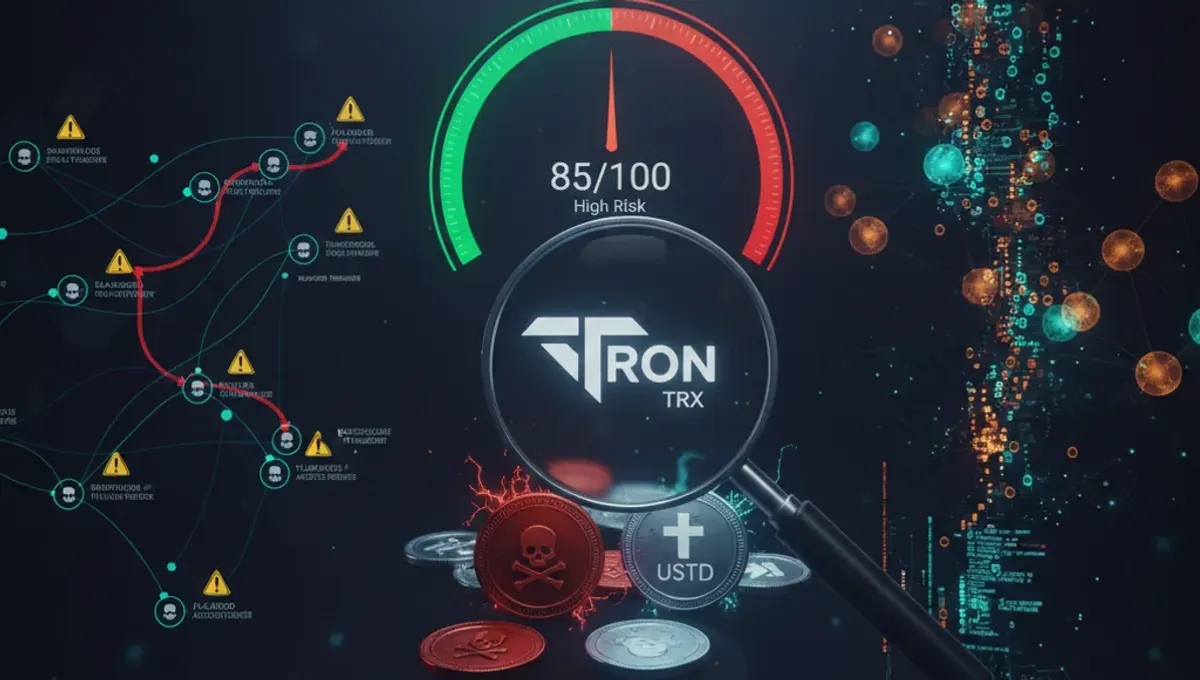
What Does an AML KYC Analyst Do
An AML KYC analyst performs anti-money laundering and know-your-customer checks to prevent financial crime. Core responsibilities include reviewing customer documentation, running wallet addresses through risk screening tools, flagging suspicious transactions, and documenting compliance findings. In crypto roles, analysts check blockchain addresses for tainted coins, darknet exposure, and sanctioned counterparties. They use blockchain analytics platforms to trace transaction history, assess risk scores, and determine whether funds come from legitimate sources or high-risk categories like mixers, stolen funds, or gambling platforms. The role bridges compliance, investigation, and customer service—analysts must communicate findings clearly to both technical teams and non-technical stakeholders.
Salary Range by Experience Level
Entry-level AML KYC analysts (0–2 years) typically earn $50,000–$70,000 annually. Mid-level analysts (3–5 years) command $70,000–$95,000, while senior analysts and team leads reach $95,000–$130,000 or more. Crypto-focused roles pay 10–20% above traditional finance equivalents because blockchain expertise is scarce. Geographic location matters significantly: analysts in New York, San Francisco, and London earn more than those in smaller markets. Bonus structures vary—some firms offer performance bonuses tied to compliance metrics or transaction volume screened. Crypto exchanges and blockchain analytics firms often include equity or token incentives, which can substantially increase total compensation.
How AML Check Fees Relate to Analyst Compensation
AML check fees charged to customers directly fund compliance teams. When an exchange or wallet service charges an AML check fee per transaction or per wallet screening, a portion supports the analysts who perform those checks. Higher-volume operations require more analysts, which increases payroll costs. Understanding AML check process complexity helps explain salary levels—analysts who perform deep-dive investigations on high-risk wallets or handle regulatory audits earn more than those doing routine screening. The AML check requirements set by regulators determine how thorough analysts must be, which affects both the time spent per case and the skill level required. Firms that invest in better blockchain analytics tools and training can process more cases per analyst, affecting overall compensation budgets.
Crypto vs. Traditional Finance AML Analyst Salaries
Crypto compliance roles pay 15–25% more than traditional banking AML positions at equivalent levels. A mid-level analyst in a bank might earn $75,000, while the same role at a crypto exchange pays $85,000–$95,000. This premium reflects the technical difficulty of blockchain analysis—crypto analysts must understand wallet structures, transaction tracing, smart contracts, and cross-chain activity. Traditional finance analysts focus on customer behavior patterns and transaction flagging within established banking systems. Crypto roles also carry higher turnover risk and require specialized knowledge, justifying premium compensation. However, traditional finance offers greater job stability and clearer advancement paths, while crypto compliance is newer and more volatile.
Skills That Increase AML Analyst Earning Potential
Analysts with blockchain expertise, coding ability, or advanced certifications earn significantly more. Proficiency in reading smart contracts, understanding Tron, Bitcoin, Ethereum, and stablecoin mechanics, and familiarity with blockchain explorers command premium salaries. Certifications like Certified Anti-Money Laundering Specialist (CAMS) or Certified Compliance Professional (CCP) add $5,000–$15,000 annually. Experience with specific blockchain analytics platforms—tools used to check dirty crypto wallets and assess risk scores—is highly valued. Analysts who can write SQL queries, automate compliance workflows, or develop custom risk models move into senior or specialist roles with $110,000+ compensation. Language skills, particularly Mandarin or Russian, increase marketability in global compliance teams.
Career Progression and Long-Term Earning Potential
AML analysts typically advance to senior analyst, compliance officer, or team lead roles within 5–7 years. Team leads managing 5–10 analysts earn $120,000–$160,000. Compliance managers overseeing entire departments reach $150,000–$200,000 or more. Some analysts transition into blockchain forensics, consulting, or regulatory advisory roles, which pay $130,000–$180,000. Specializing in crypto compliance early creates a competitive advantage—the field is young, and experienced professionals are scarce. Lateral moves into risk management, sanctions screening, or transaction monitoring offer similar or higher pay. Entrepreneurs who launch blockchain analytics or AML service startups can earn significantly more through equity, though with higher risk.
How to Evaluate AML Analyst Job Offers
When comparing offers, consider base salary, bonus structure, equity or token grants, and benefits. Ask whether the role involves hands-on wallet screening or management. Hands-on roles offer technical skill development but may cap earning potential; management roles offer higher pay but require less direct compliance work. Inquire about the AML check requirements your employer must meet—stricter regulatory environments demand more experienced analysts and pay accordingly. Understand the tools you'll use for wallet screening and whether the firm invests in modern blockchain analytics platforms. Ask about professional development budgets for certifications. Consider whether the firm operates globally or focuses on specific jurisdictions, as international roles often pay more. Request clarity on how tainted coins and high-risk transactions are handled—complex cases indicate a more sophisticated operation and typically higher compensation.
Frequently asked questions
What is the average AML KYC analyst salary in crypto
Average salaries range from $55,000 for entry-level to $120,000+ for senior roles. Crypto positions pay 15–25% more than traditional finance due to blockchain expertise demand. Location, employer size, and certifications significantly affect compensation within these ranges.
Do AML analysts need blockchain experience to earn more
Yes. Analysts with blockchain knowledge, smart contract understanding, and familiarity with wallet screening tools earn $10,000–$30,000 more annually. Certifications like CAMS and coding skills further increase earning potential in crypto compliance roles.
How does an AML check fee structure affect analyst pay
Higher AML check fees per transaction or wallet screening fund larger compliance teams. Firms that charge more for thorough AML check processes can afford to hire experienced analysts and offer higher salaries, creating a direct link between service pricing and analyst compensation.
What is the career path from AML analyst to compliance manager
Analysts typically reach senior analyst roles in 3–5 years, then advance to team lead ($120,000–$160,000) or compliance manager ($150,000–$200,000+). Specializing in crypto compliance accelerates progression because experienced blockchain analysts are scarce in the market.
Are crypto AML analyst salaries higher than traditional banking
Yes. Crypto compliance roles pay 15–25% more than equivalent banking positions. This premium reflects the technical difficulty of blockchain analysis, higher demand for specialists, and the emerging nature of the crypto compliance field.