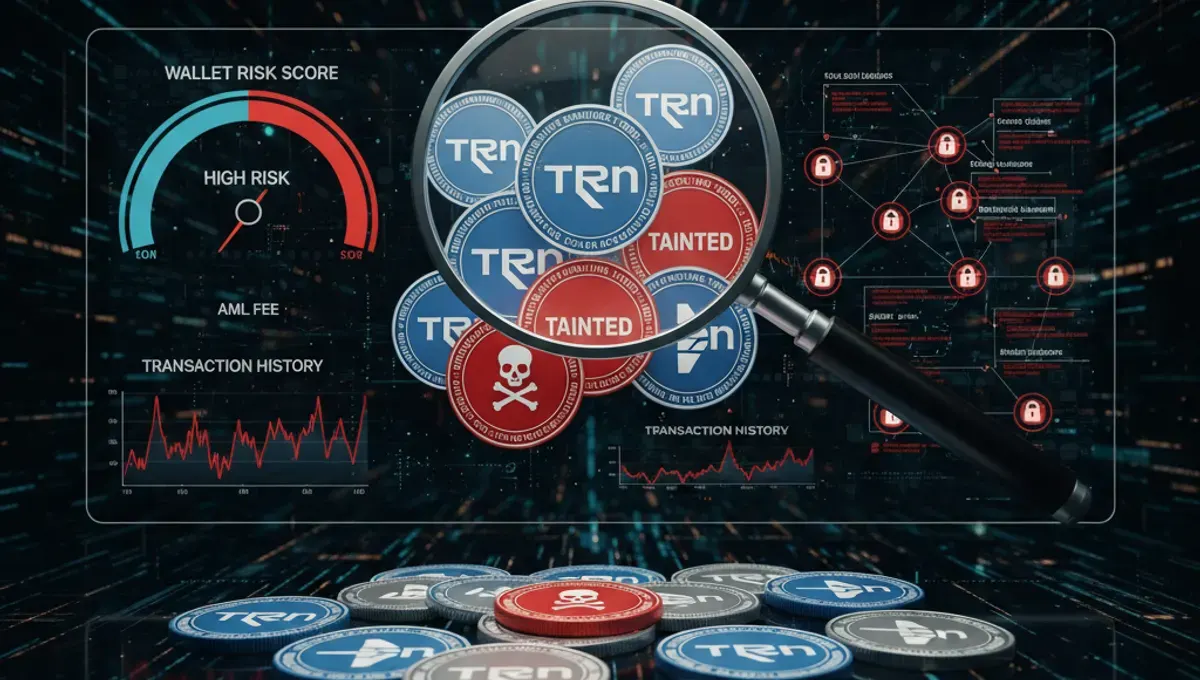
What Is an AML Check Fee and Why Does It Exist
An AML check fee covers the cost of running your wallet address through blockchain analytics infrastructure, sanctions databases, and risk-scoring algorithms. Services maintain compliance data, darknet market lists, mixer detection, and stolen-fund registries—all of which require continuous updates and infrastructure investment. When you pay an AML fee, you're accessing real-time screening against these databases to identify whether your coins have been exposed to scams, sanctions-listed entities, gambling platforms, or other high-risk sources. Free AML checks typically offer limited depth: they may flag obvious red flags but miss nuanced risk patterns. Paid services provide detailed transaction history, risk scores, and remediation advice.
How AML Check Fee Pricing Models Work
Most AML services use one of three pricing models. Per-check fees charge a flat rate (typically $1–$10) for a single wallet screening; this suits occasional users. Subscription models charge monthly ($10–$100+) for unlimited checks and ongoing monitoring; these fit active traders and compliance teams. Enterprise plans charge custom rates based on transaction volume and API access; these serve exchanges and large institutions. Some services offer free tiers with limited results—usually one or two checks per month or basic risk flagging only. Premium features like historical transaction analysis, detailed risk reports, and API integration typically cost more. Pricing also depends on blockchain: checking a Tron address may cost the same as checking Bitcoin, but some services bundle multi-chain screening into one fee.
AML Check Fee vs. AML Check Crypto Service Tiers
Free AML check crypto services usually show only high-risk flags: known mixer involvement, darknet market exposure, or sanctioned entity links. They may not reveal intermediate transaction history or nuanced risk scores. Mid-tier paid services ($5–$20 per check) provide detailed transaction graphs, risk scoring on a 0–100 scale, and categorization of risk sources (stolen funds, gambling, scams). Enterprise AML check fees ($500–$5,000+ monthly) include API access, batch screening, custom risk thresholds, and dedicated compliance support. When comparing, consider whether you need one-time screening before receiving USDT or TRX, or continuous monitoring of your holdings. A single check fee may be cheaper than a monthly subscription if you only screen wallets occasionally.
AML Check Requirements and What Affects Your Fee
Several factors influence the AML check fee you'll pay. Blockchain complexity matters: Tron and Ethereum have more transaction volume than Bitcoin, so screening may cost slightly more. Historical depth affects cost; checking the last 10 transactions costs less than analyzing a wallet's entire 5-year history. Risk report detail also varies: a simple pass/fail costs less than a full compliance report with remediation steps. Geographic jurisdiction can matter; some services charge more for wallets linked to high-risk regions. The number of addresses you need to screen also impacts pricing: checking one address is cheaper than screening 100. Finally, real-time monitoring versus one-time checks differs in cost; continuous monitoring of a wallet's incoming transactions costs more than a single snapshot.
How to Check a Wallet Before Paying an AML Fee
Before committing to a paid AML check fee, use free screening tools to assess whether detailed analysis is necessary. Start by searching the wallet address on public blockchain explorers to see transaction history and counterparties manually. Look for obvious red flags: transactions to known mixer addresses, darknet market wallets, or sanctioned entity addresses. If the wallet shows clean activity—mostly peer-to-peer transfers, exchange deposits, or known legitimate addresses—a free AML check may suffice. If you spot suspicious patterns or are about to receive a large USDT or TRX transfer from an unknown source, a paid AML check fee is justified. Many services on our curated AML Services list offer free trial checks or low-cost first-time screening, so you can test the service before committing to a subscription. This approach lets you decide whether the fee is worth the risk reduction.
AML Check Process and What Your Fee Covers
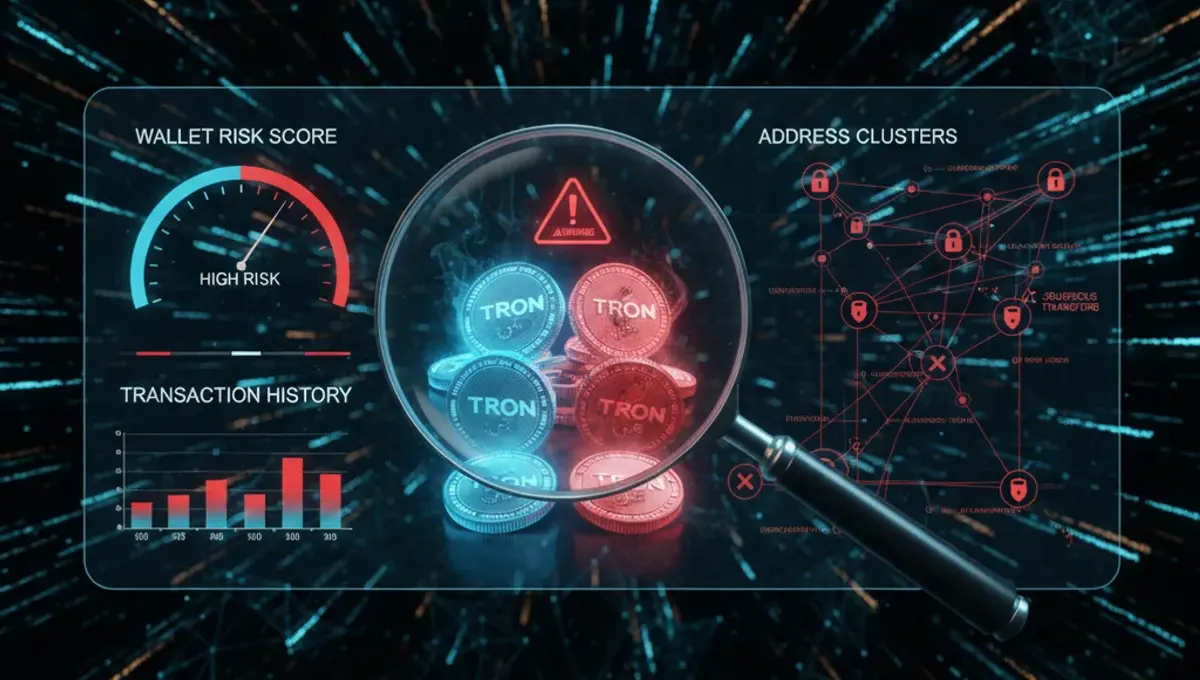
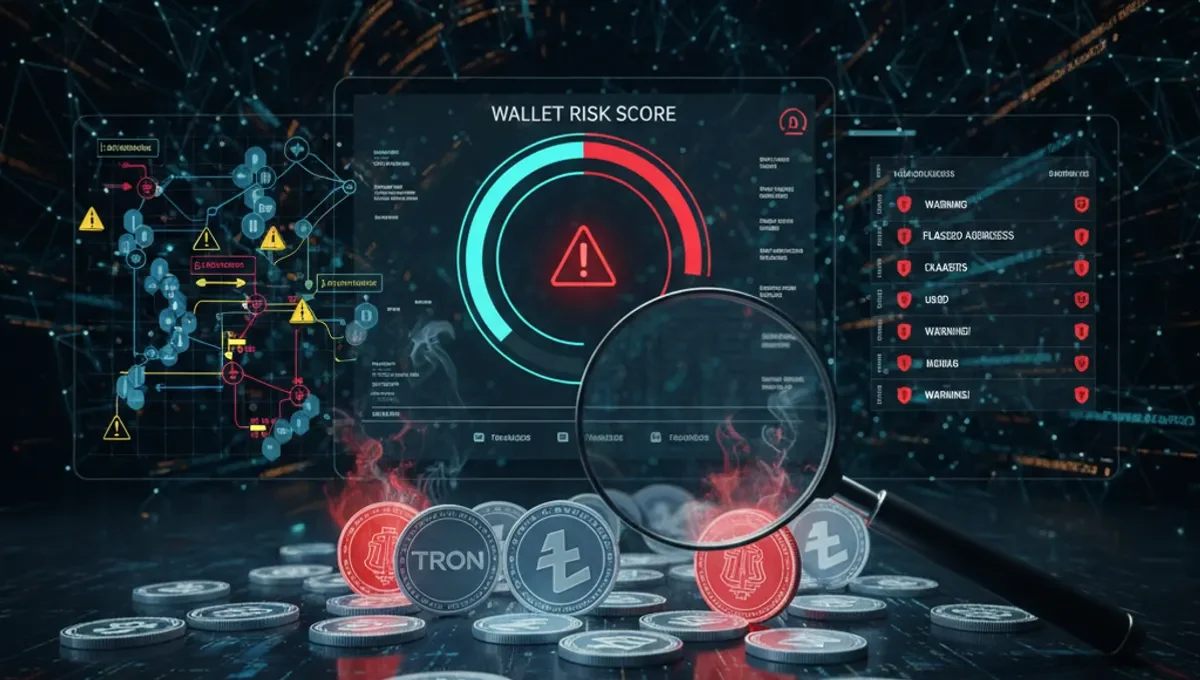
When you pay an AML check fee, the service runs your wallet through several screening layers. First, it scans the wallet's transaction history against known sanctions lists, stolen-fund databases, and darknet market registries. Second, it traces transaction paths backward to identify the source of funds and any high-risk intermediaries. Third, it assigns a risk score based on exposure to mixers, gambling platforms, scams, and other categories. Fourth, it generates a report showing which transactions or counterparties triggered risk flags and why. Your fee covers access to these databases and the computational cost of tracing transactions across the blockchain. Some services also include remediation guidance: if your coins are flagged as tainted, they may suggest how to proceed or which exchanges might still accept them. Higher fees typically mean more detailed reports and faster processing.
Acceptable Risk Score Thresholds and Fee Justification
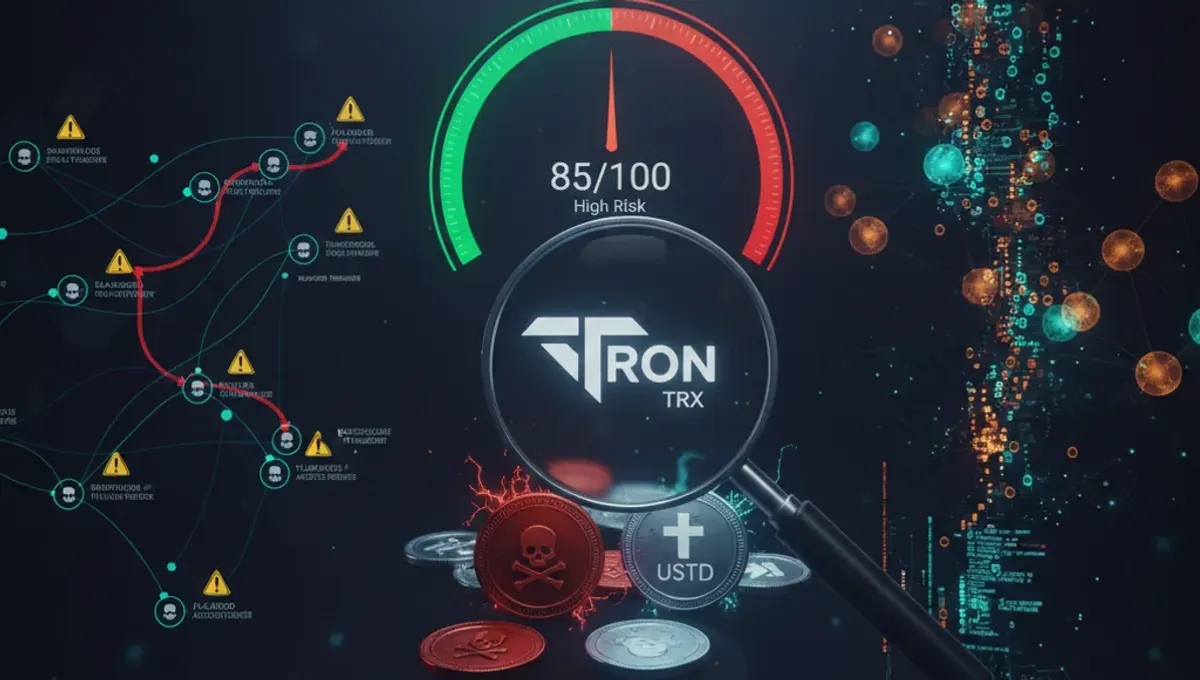
Risk scores typically range from 0 (clean) to 100 (high-risk). A score below 20 is generally acceptable for most exchanges and peer-to-peer transfers. Scores between 20 and 50 indicate moderate risk—the wallet has some exposure to suspicious activity but may still be usable depending on your counterparty's tolerance. Scores above 50 suggest significant risk: the wallet may have received stolen funds, mixer outputs, or sanctioned entity transfers, and many exchanges will freeze accounts linked to it. Whether an AML check fee is justified depends on your risk tolerance and the amount you're transferring. If you're receiving $10,000 in USDT on Tron and the sender is unknown, a $5–$10 AML check fee is cheap insurance against receiving frozen coins. If you're checking a personal wallet with $500 in holdings, a monthly subscription fee may not be worth it; a one-time check or free screening may suffice.
Frequently asked questions
How much does an AML check fee typically cost
AML check fees range from free (with limited results) to $5–$20 per single check, $10–$100 monthly for subscriptions, and $500+ for enterprise monitoring. The cost depends on service tier, blockchain, and report depth. Many services offer free trial checks or low-cost first screenings to help you decide.
What does an AML check fee cover
Your AML check fee covers access to sanctions databases, stolen-fund registries, darknet market lists, and mixer detection. The service traces your wallet's transaction history, assigns a risk score, and generates a report showing which counterparties or transactions triggered flags and why.
Is an AML check fee worth paying before receiving crypto
Yes, if you're receiving a large transfer from an unknown source. A $5–$10 AML check fee is cheap insurance against frozen coins or account bans. For small transfers or known senders, free screening or manual blockchain review may suffice.
Do I need to pay an AML check fee every time I receive crypto
Not necessarily. One-time checks work for occasional transfers. If you receive crypto frequently or hold large amounts, a monthly subscription fee may be more cost-effective than paying per check. Consider your transaction volume and risk tolerance.
Can I find a free AML check fee alternative
Yes, many services offer free basic checks that flag obvious risks like mixer involvement or sanctioned entity links. However, free tiers usually show limited transaction history and risk detail. Paid checks provide comprehensive analysis. Our AML Services list includes verified providers with free and paid options.