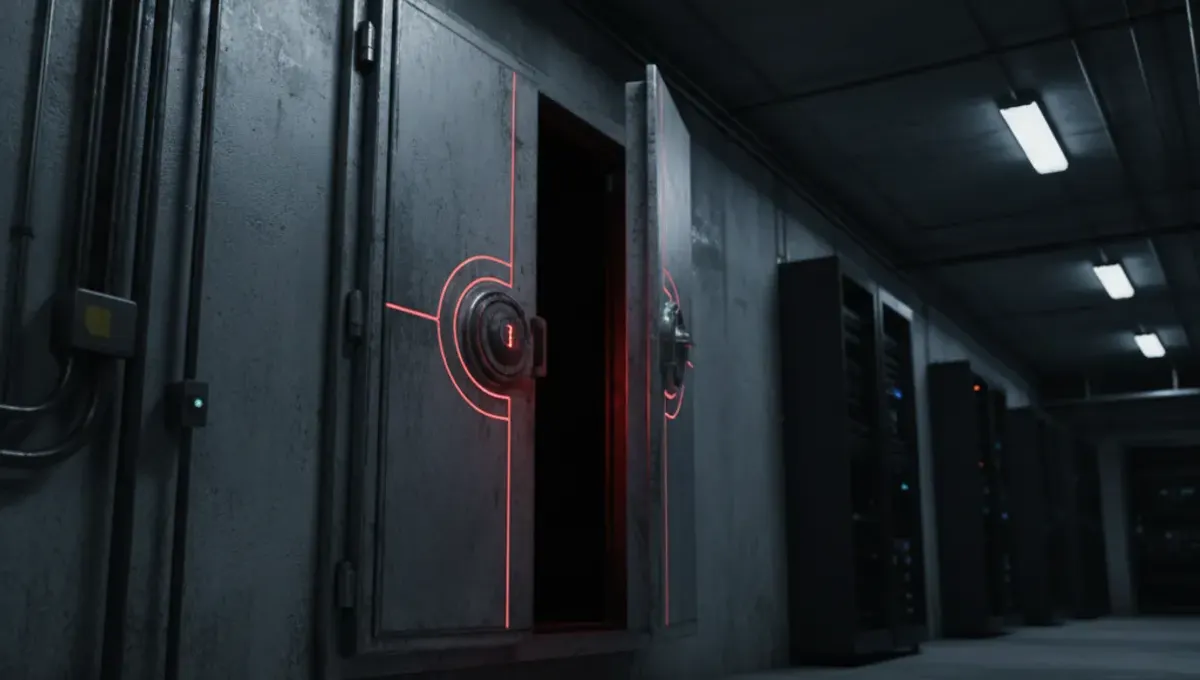
What the NU7 Upgrade Changed
Zcash's NU7 upgrade was designed to improve the network's efficiency and security by removing old code paths and streamlining the protocol. The Sprout pool was Zcash's original privacy mechanism, introduced in 2016, which allowed users to shield transaction details by hiding sender, receiver, and amount on the blockchain. Over time, Zcash introduced more modern privacy technology, particularly Orchard, which replaced Sprout's cryptographic scheme with a more efficient zero-knowledge proof system. The NU7 upgrade reflected the network's transition: it removed the ability for nodes to process Sprout spending transactions, treating them as invalid on the network.
What made this problematic was that approximately 12,224 ZEC remained locked in Sprout addresses. These coins were either dormant from long-term holders, abandoned due to lost keys, or deliberately left as a privacy measure. Once NU7 activated, those addresses could not be unlocked through any normal spending mechanism.
How Sprout Funds Became Stranded
The stranding occurred because Zcash developers and miners activated the upgrade without a mechanism to migrate legacy Sprout funds to newer privacy pools. Unlike some network upgrades that include a grace period or automatic conversion process, NU7 simply invalidated the spending rules for Sprout transactions. Users who had forgotten about their Sprout holdings, or who planned to move them later, suddenly found themselves unable to access their coins.
This was not a hack or a bug in the traditional sense; it was a deliberate protocol change that failed to account for all existing coins. The 12,224 ZEC were not destroyed or sent to a wallet: they remain in Sprout addresses but are cryptographically locked by the network rules that now prevent spending from those addresses. From the network's perspective, the coins are simply unspendable under the current ruleset.
The $15 Million Question: Why This Matters
For individual users holding Sprout coins, the impact is straightforward: their money is inaccessible. For the broader Zcash ecosystem, the event raised serious questions about coordination and backwards compatibility during major upgrades. Privacy-focused cryptocurrencies are often chosen precisely because users want long-term control over their funds without depending on third parties or network upgrades that could strip access.
The incident also reflected a tension within decentralized networks: protocol improvements sometimes conflict with preservation of old data. Zcash developers likely chose to remove Sprout support to reduce codebase complexity and potential attack vectors. However, this decision prioritized future efficiency over current user funds. Some community members argued that a longer deprecation period, multiple warnings, or an automatic conversion process should have preceded the hard fork.
Can Users Recover These Funds
Recovery is theoretically possible but would require a new consensus change within the Zcash network. If the community decided to do so, developers could propose a future upgrade that restores the ability to spend Sprout transactions or automatically migrate stranded funds to Orchard addresses. However, this would face practical and political hurdles: it would require code review, testing, and a voting process to gain majority miner and user support.
Zcash governance operates through the Electric Coin Company (ECC), independent developers, and the community, but a reversal or recovery mechanism is not currently planned. The official position is that Sprout was deprecated with adequate notice, and users should have migrated their coins beforehand. This perspective is technically correct but offers no comfort to those who did not monitor the upgrade timeline.
What This Reveals About Network Upgrades
The NU7 incident is a case study in how decentralized networks handle technical debt and breaking changes. Bitcoin has rarely experienced comparable situations because it maintains strict backwards compatibility; old transaction types and address formats remain spendable indefinitely. Zcash chose a different path: prioritizing protocol cleanliness over perfect backwards compatibility.
Users managing cryptocurrency across multiple privacy pools or older addresses should understand that network upgrades can change the rules governing fund access. Hard forks that remove old functionality, while sometimes necessary, carry the risk of stranding coins if migration pathways are not clearly communicated or enforced with sufficient lead time.
What You Should Do Today
If you hold Zcash or any privacy coin, the practical takeaway is to audit your wallets and fund locations regularly, especially before major upgrades. Check whether you have coins in deprecated pools or old address types; do not assume that old addresses will remain spendable forever. Read official upgrade announcements from the project directly, verify them via PGP-signed statements from developers, and plan any coin migrations well in advance.
For those considering privacy coins, understand that upgrading protocols sometimes conflicts with fund preservation. The Sprout incident shows that even well-intentioned network changes can leave users with inaccessible value. When storing cryptocurrency long-term, prefer networks with strong backwards compatibility guarantees, use current and actively supported address types, and keep your understanding of the network's roadmap up to date.
FAQ
Can I spend Zcash Sprout coins today?
No. After the NU7 upgrade activated, the network no longer accepts Sprout spending transactions as valid. Coins in Sprout addresses cannot be moved under the current ruleset.
Was this theft or a bug?
Neither. It was a deliberate protocol change to deprecate legacy technology. The Zcash developers removed support for Sprout transactions as part of a modernization effort, but did not build a migration pathway for coins already in those pools.
How much money is affected?
Approximately 12,224 ZEC, valued at roughly $15 million at recent prices. The exact USD value fluctuates with the market.
Will there be a recovery update?
No recovery update is currently planned. Recovery would require a new network consensus change and community vote, which is not on the official roadmap.
Should I still hold privacy coins if this can happen?
Privacy coins serve a purpose, but this incident shows that network upgrades can affect access to older funds. Use current address types supported by your wallet software, migrate holdings before major deprecations, and stay informed about protocol changes.
Source: Cointelegraph