What Is a Red Flag in AML and Why It Matters in Crypto
A red flag in AML is any activity, transaction pattern, or wallet characteristic that suggests potential money laundering, sanctions evasion, or illicit fund movement. In cryptocurrency, red flags differ from traditional finance because transactions are transparent on-chain yet pseudonymous. Common red flags include rapid fund movement through multiple addresses, deposits from known darknet marketplaces, interaction with coin mixers, and transfers to or from sanctioned jurisdictions or entities. These signals trigger compliance reviews at exchanges and can result in frozen USDT, account restrictions, or transaction blocks. Blockchain analytics firms monitor these patterns continuously, assigning risk scores to addresses based on their transaction history and counterparty exposure. Spotting red flags early protects you from receiving tainted coins that exchanges may later refuse to process.
Common Cryptocurrency AML Red Flags Explained
Several specific red flags appear frequently in crypto AML screening:
- Mixer and tumbler usage: Funds routed through privacy mixers suggest deliberate obfuscation of transaction origin.
- Darknet market connections: Direct or indirect links to known darknet marketplaces (drug sales, stolen goods, weapons) trigger immediate scrutiny.
- Sanctioned entity exposure: Wallets receiving funds from or sending to addresses linked to sanctioned countries or individuals violate compliance rules.
- Stolen fund provenance: Coins traced back to exchange hacks, wallet theft, or ransomware payments carry permanent taint.
- Gambling platform activity: High-volume transfers to and from gambling sites may indicate money laundering or problem gambling.
- Rapid address chaining: Funds moving through dozens of addresses in minutes suggests layering—a classic money laundering technique.
- Unusual transaction timing and amounts: Round-number transfers at odd hours, or sudden spikes after dormancy, can signal suspicious activity.
- Unregistered exchange or peer-to-peer mixing: Transfers through unregulated platforms with weak KYC controls increase risk.
How AML Check Process and Risk Scoring Work
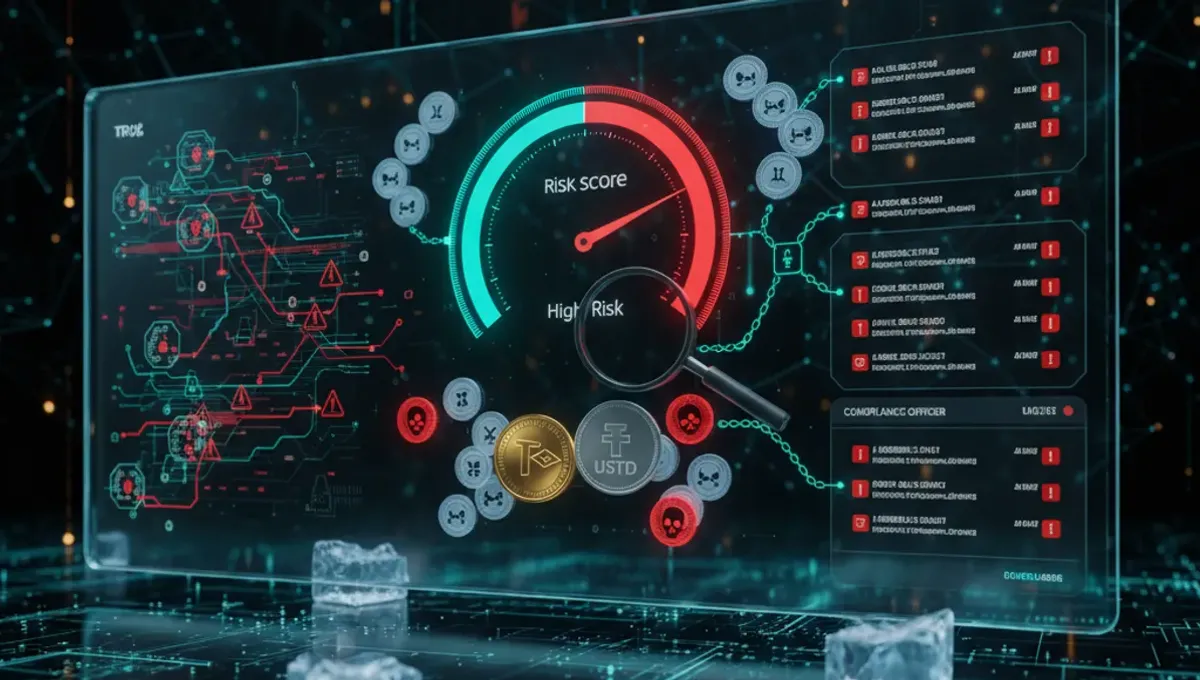
An AML check process evaluates a wallet or transaction against multiple data sources: blockchain transaction history, known darknet and scam databases, sanctions lists, and exchange freezing records. The process typically unfolds in stages. First, the address is scanned against public blockchain records to map all incoming and outgoing transactions. Second, counterparties are identified and cross-referenced against blacklists and risk databases. Third, transaction patterns are analyzed for suspicious behavior such as rapid movement or mixer interaction. Finally, a risk score is assigned, usually on a scale (e.g., 0–100 or low/medium/high/critical). Risk scores reflect the cumulative evidence of illicit exposure. An AML check fee varies by service; some offer free basic checks with limited depth, while comprehensive screening costs more. The entire AML check process typically completes in seconds to minutes, depending on address history complexity and data source availability.
Risk Score Levels and What They Mean for Your Crypto
Risk scores translate AML findings into actionable categories:
Low risk (0–20): Minimal red flags; clean transaction history; no known illicit counterparties. Safe to receive and hold.
Medium risk (21–50): Some exposure to risky counterparties or minor pattern anomalies, but no direct darknet or sanctions links. Acceptable for most users; monitor further activity.
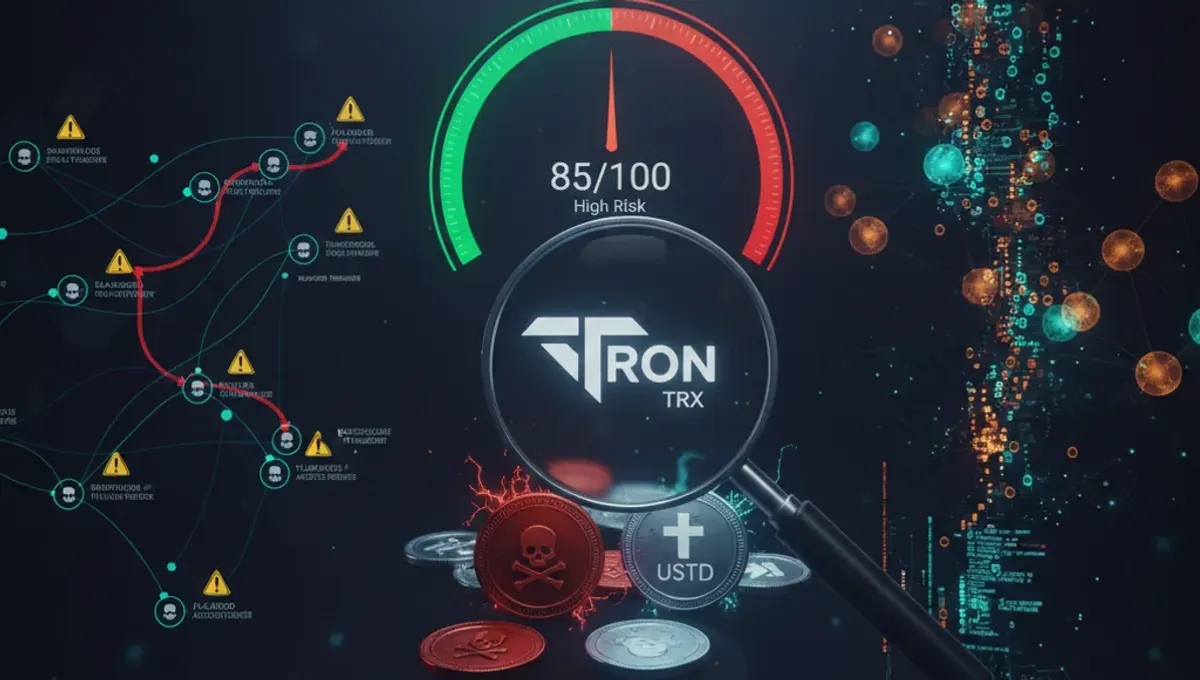
High risk (51–80): Significant red flags such as mixer usage, gambling platform exposure, or connections to stolen funds. Many exchanges flag these for manual review or restrict trading.
Critical risk (81–100): Direct darknet links, sanctioned entity exposure, or confirmed stolen funds. Exchanges typically freeze accounts; coins may be permanently unspendable.
Acceptable thresholds depend on your use case. Retail users should avoid anything above medium risk. Institutional users and exchanges enforce stricter limits, often rejecting anything above low risk. If your coins score high or critical, moving them through regulated exchanges becomes difficult or impossible. Checking a wallet's risk score before receiving USDT, TRX, BTC, or ETH prevents you from inheriting compliance liability.
How to Check a Wallet for AML Red Flags Before Receiving Funds
Follow these steps to screen a wallet before accepting crypto:
- Obtain the full wallet address or transaction ID from the sender.
- Visit a trusted AML screening service (our curated AML Services directory lists verified providers with transparent pricing and coverage).
- Paste the address into the search field and initiate the scan.
- Review the risk score and detailed findings: transaction history, counterparty analysis, and specific red flags identified.
- Check for darknet connections, mixer usage, sanctions exposure, and stolen fund tags.
- If the score is low or medium and you recognize the sender, proceed with caution.
- If the score is high or critical, decline the transfer or contact the sender to clarify the source.
- Document the check result for your records in case of future compliance inquiries.
Many AML check services offer free basic scans with limited detail; paid tiers provide comprehensive analysis. Starting with a free check is reasonable for small amounts; for larger transfers, invest in a full AML check fee to access deeper blockchain analytics and sanctions list cross-referencing. The cost of an AML check is typically far lower than the risk of receiving frozen or unspendable coins.
What Happens When Your Crypto Is Flagged as Dirty or Tainted
If your coins are flagged as tainted—meaning they carry AML red flags or provenance from theft, sanctions, or darknet activity—several consequences follow. First, regulated exchanges will likely freeze your account or reject deposits containing those coins. Second, you may face compliance inquiries from the exchange demanding proof of legitimate source. Third, if you attempt to move tainted coins through multiple addresses to obscure their origin, you risk triggering money laundering charges. Fourth, the coins themselves become difficult or impossible to liquidate; even peer-to-peer buyers increasingly use AML screening and will refuse flagged addresses. If you receive tainted coins unknowingly, your best course is to stop transacting with them, document the receipt, and report the incident to the sending party and relevant authorities if applicable. Do not attempt to mix, tumble, or layer the coins further—this compounds legal risk. Moving forward, always perform an AML check on incoming funds to avoid this situation.
Best Practices to Avoid Cryptocurrency AML Red Flags
Protect yourself and maintain clean transaction history with these practices:
- Screen all incoming wallets: Before accepting crypto from anyone, run an AML check through a trusted service.
- Use regulated exchanges: Deposit and withdraw through KYC-compliant exchanges with strong compliance programs.
- Avoid mixers and tumblers: Do not route your coins through privacy mixers, even for legitimate privacy reasons—this creates red flags.
- Keep detailed records: Document the source and purpose of all significant transfers for audit trails.
- Avoid high-risk counterparties: Do not transact with unregistered exchanges, gambling platforms, or darknet-linked addresses.
- Monitor your own address: Periodically check your wallet's risk score to catch unexpected red flags early.
- Use cold storage for long-term holdings: Reduce exposure by keeping coins offline in hardware wallets.
- Educate yourself on sanctions: Stay aware of sanctioned jurisdictions and entities; never knowingly transact with them.
These practices minimize your compliance risk and ensure your coins remain spendable and transferable across regulated platforms.
Frequently asked questions
What is a red flag in AML for cryptocurrency?
A red flag in AML is any indicator of potential money laundering or illicit activity: mixer usage, darknet connections, sanctioned entity exposure, stolen funds, gambling platform links, or rapid address chaining. These signals trigger compliance reviews and may result in frozen accounts or transaction blocks at exchanges.
How much does an AML check fee cost?
AML check fees vary by service and depth. Many providers offer free basic scans with limited detail. Comprehensive checks with full blockchain analytics and sanctions list cross-referencing typically cost between a few dollars and tens of dollars per scan, depending on address history complexity and service tier.
What happens if I receive tainted crypto?
If you receive tainted coins, exchanges may freeze your account or reject deposits. You face compliance inquiries and difficulty liquidating the coins. Do not attempt to mix or tumble them—this increases legal risk. Document the receipt and stop transacting with those coins immediately.
How do I check if a crypto wallet has AML red flags?
Use a trusted AML screening service: paste the wallet address into the search field, initiate the scan, and review the risk score and detailed findings. Check for darknet connections, mixer usage, sanctions exposure, and stolen fund tags. Our AML Services directory lists verified providers with transparent pricing.
What risk score is acceptable for receiving cryptocurrency?
Low risk (0–20) is safest. Medium risk (21–50) is acceptable for most users but warrants caution. High risk (51–80) triggers exchange reviews and trading restrictions. Critical risk (81–100) results in account freezes. Institutional users enforce stricter thresholds, often rejecting anything above low risk.