Understanding Large Institutional Bitcoin Purchases
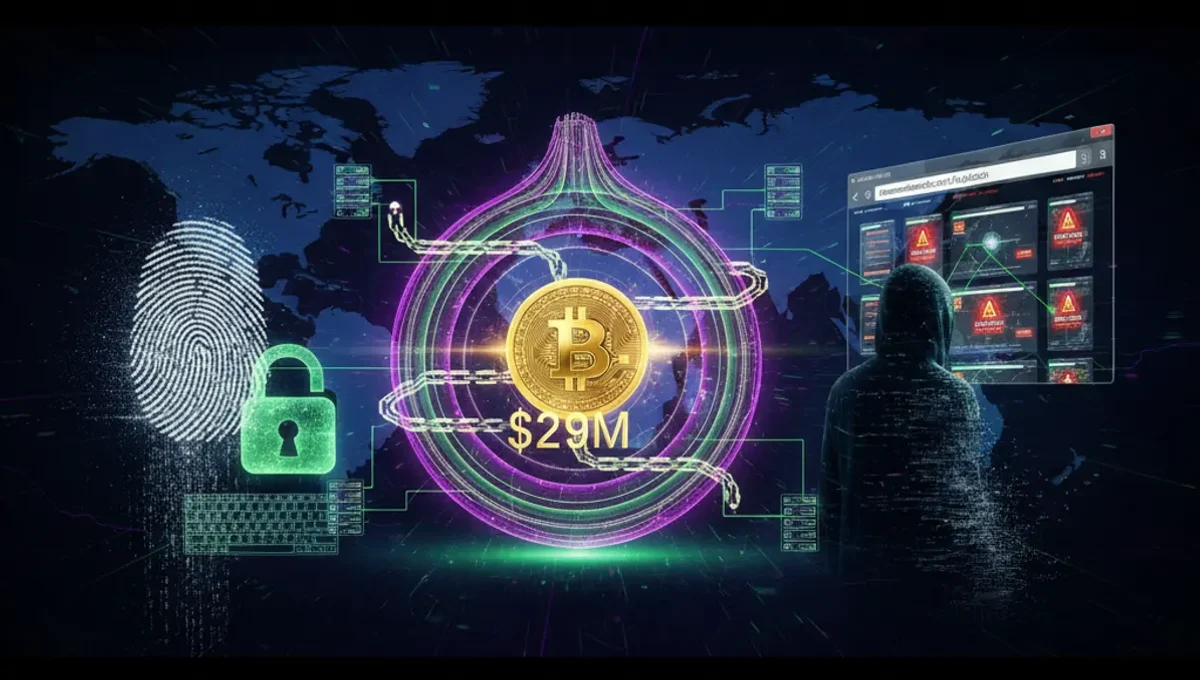
When a company announces a multi-million-dollar Bitcoin acquisition, it signals market confidence but also creates compliance obligations for counterparties. Capital B's $29 million purchase—its largest in a year—demonstrates ongoing institutional demand for Bitcoin despite market volatility. From an AML perspective, transactions of this scale require careful scrutiny.
Institutional buyers typically move funds through multiple wallets and exchanges. Understanding the movement of these coins matters if your organization might receive them or send funds to Capital B's addresses. A single purchase can be split across on-chain and custodial holdings, making it difficult to track the full custody chain without proper tools.
Why Large Bitcoin Holdings Matter for AML
Bitcoin holdings concentration matters because:
- Counterparty exposure: If Capital B's wallet appears in your transaction path, you need to know whether those coins originated from sanctioned sources or high-risk entities.
- Custody chain verification: Tracing back through multiple hops reveals if coins have passed through mixing services, darknet markets, or other laundering vectors.
- Regulatory scrutiny: Large purchases attract regulatory attention, and coins associated with high-profile buyers may face downstream restrictions.
- Reputational risk: Accepting coins that later test positive for contamination can trigger compliance reviews and transaction reversals.
How to Screen Bitcoin Holdings Before Accepting Funds
If you may receive Bitcoin from institutional holders or their affiliates, implement these screening steps:
- Identify the wallet addresses associated with the purchase announcement or press release.
- Use a blockchain intelligence platform to run a historical trace on those addresses going back at least 24 months.
- Check whether the addresses appear on sanction watchlists (OFAC SDN list, EU consolidated list, UK FSMA designations).
- Flag any transaction history involving known mixing services, CoinJoin pools, or tumbler software.
- Verify whether coins have passed through darknet marketplace addresses or associated intermediaries.
- Cross-reference the timeline: confirm purchase date matches fund availability and custody transitions.
- Document all findings in your transaction risk assessment file for audit purposes.
Most platforms require manual input of wallet addresses or transaction hashes. Copy the address from official company statements, not from third-party social media posts (phishing risk).
Distinguishing Legitimate Institutional Purchases from Wash Trades
Not all large Bitcoin purchases represent genuine market activity. Red flags include:
- Identical or near-identical amounts across multiple announced purchases within short timeframes—may indicate circular transfers between affiliate wallets.
- No custody confirmation: Legitimate institutional buyers announce where coins are stored (exchange, cold storage provider, company custody). Vague descriptions suggest possible wash trading.
- Timing coincidence with token issuance: If a purchase announcement follows a fundraising round by hours, verify that raised funds actually moved on-chain (check blockchain explorers for fund transfers).
- No third-party audit trail: Reputable institutions share proof of custody or third-party verification. Absence of this suggests the purchase may exist only in accounting records.
Comparing Your Risk Assessment Tools
When evaluating whether to interact with Bitcoin holdings, consider:
| Factor | What to Check | Red Flag |
|---|---|---|
| Wallet age | Address first appeared when? | Less than 30 days old |
| Transaction count | How many movements? | Single transaction in/out |
| Mixing service exposure | Any CoinJoin or tumbler use? | Yes, within 12 months |
| Sanctions match | OFAC/EU/UK lists | Any positive hit |
| Darknet markers | Marketplace or bridge transfers? | Any confirmed link |
| Custody documentation | Third-party proof available? | None or vague statement |
Practical Steps for Your Compliance Team
When your organization may receive Bitcoin from or send funds to institutional holders:
- Maintain an updated list of known company-affiliated wallet addresses from official sources only.
- Before any transaction exceeding your firm's monitoring threshold, run a full transaction trace with a dedicated AML platform.
- Document the date, addresses, and compliance decision in your transaction record for regulatory review.
- Set alerts on those addresses to flag any future high-value outflows or suspicious consolidations.
- Review quarterly whether new holdings have emerged or custody structures have changed.
- Train staff to never click wallet links from press releases; instead, navigate independently to official company websites.
- If your platform flags a match, escalate to your compliance officer and legal team before proceeding.
FAQ: Large Purchases and Your Wallet Security
Q: Does a company's institutional status guarantee clean coins?
No. Institutional buyers can receive contaminated coins if their counterparties or custodians are compromised. Always verify the source, not just the buyer's reputation.
Q: How far back should I trace?
Aim for at least 24 months or until you reach a known-clean exchange deposit address. Some high-risk coins may require tracing back 5+ years.
Q: What if I find a mixing service in the chain?
Flag it as high-risk. Your compliance framework may require rejection of such coins or escalation to your compliance officer. Many institutions treat any CoinJoin activity as a compliance threshold event.
Q: Can I trust press release data?
Press releases can be spoofed. Always verify claims by cross-checking official company websites, regulatory filings, and on-chain records before acting.
Key Takeaways
Capital B's $29 million Bitcoin purchase highlights the importance of screening large institutional holdings before accepting or sending funds. Large transactions are not inherently risky, but they do require due diligence. Use blockchain intelligence tools to verify fund provenance, check for sanctions matches, and document your risk assessment. When in doubt, escalate to your compliance team. For detailed guidance on verified screening tools and best practices, visit our Verified Marketplaces page.
Source: The Block